wine

10 Tips for Storing Wine Properly

As you build your wine collection, you want to ensure your bottles are stored in optimal conditions to preserve their quality and flavor. Your wine’s longevity and taste depend on how well you store it. You will learn how to create an ideal environment for your wine, from temperature control to lighting and handling, in this post, helping you to get the most out of your investment and enjoy your wine at its best.

Choosing the Right Storage Location

While selecting a storage location for your wine, consider the environment and potential factors that may affect your wine’s quality. You should opt for a cool, dark place with minimal vibrations and odors.

Temperature Control

Choosing the ideal temperature range is vital for preserving your wine’s flavor and aroma.

Ideal Temperature Wine Type
45-65°F (7-18°C) Most wine types

You can store your wine within this range for optimal conditions.

Humidity Levels

Similarly, managing humidity is vital for maintaining your wine’s quality. You should aim for a humid environment to prevent cork drying and wine oxidation.

For instance, a humidifier can help you maintain a stable humidity level between 50-70%, which is suitable for most wine types. You can monitor the humidity in your storage area and adjust it accordingly to ensure your wine ages perfectly.

Wine Rack Options

There’s a wide range of wine rack options available to suit your needs and personal style. You can choose from various materials, designs, and sizes to store your wine collection. Your wine rack should provide a stable and secure environment for your bottles, while also complementing your home decor.

Wooden Racks

Beneath the surface of wine storage, wooden racks offer a classic and elegant solution. Between the traditional and modern designs, you can find a wooden rack that fits your style and budget. You can opt for a simple and compact design or a larger, more elaborate one to showcase your wine collection.

Metal Racks

Prior to making a decision, consider the benefits of metal racks. Before investing in a wine rack, you should think about the durability and versatility of metal. You can find metal racks in various styles, from modern and sleek to industrial and edgy, to match your home decor and personal taste.

Rack selection is an important part of storing your wine properly, and metal racks offer a great option. You can choose from wall-mounted, floor-standing, or countertop metal racks, depending on your available space and the size of your wine collection. As you consider your options, think about the style and functionality that will work best for you and your wine storage needs.

Bottle Orientation and Storage

For optimal wine storage, you need to consider the position of your bottles. Proper orientation helps prevent corks from drying out and maintains the quality of your wine.

Horizontal Storage

Against the common misconception, storing bottles on their sides is not always the best option. However, if you do choose to store your bottles horizontally, make sure the cork is kept moist by storing the bottle on a slight incline.

Vertical Storage

Any wine bottle can be stored vertically, but this method is best suited for bottles with screw-top or synthetic corks. You can store these bottles upright without worrying about the seal being compromised.

Horizontal storage is often preferred, but if you do store your bottles vertically, you should be aware that the cork may dry out over time. You can mitigate this risk by storing your bottles in a humid environment, which will help keep the cork moist and your wine fresh. You should also check on your bottles periodically to ensure the corks are not drying out, and consider using a wine fridge or cellar with controlled humidity to store your bottles vertically.

Lighting and Vibration Considerations

Now that you have chosen the perfect location for your wine storage, it’s time to think about the environmental factors that can affect your wine’s quality. You need to consider lighting and vibration to ensure your wine ages properly.

Avoiding Direct Light

Avoiding harsh light is necessary for preserving your wine’s flavor and aroma. You should keep your wine away from direct sunlight and bright artificial light to prevent it from becoming over-oxidized.

Minimizing Vibrations

By reducing vibrations, you can help prevent your wine from becoming agitated, which can affect its quality. You can achieve this by storing your wine in a quiet area, away from heavy foot traffic and noisy appliances.

Due to the sensitive nature of wine, even small vibrations can cause the sediments to become disturbed, leading to a cloudy appearance and an unpleasant taste. You should take extra precautions to minimize vibrations, such as using shock-absorbing materials or storing your wine in a wine fridge with vibration-reducing technology, to ensure your wine remains stable and ages smoothly.

Wine Bottle Sealing and Handling

Not all wine bottles are created equal, and the type of seal can affect the aging process. You should consider the type of closure when storing your wine, as it can impact the overall quality and longevity of the wine.

Corked Wines

By contrast, corked wines require special attention to prevent oxidation and spoilage. You will need to ensure the cork remains moist to prevent it from drying out and compromising the seal.

Screw-Capped Wines

For screw-capped wines, you can be more confident in the seal’s integrity, but you should still handle them with care to avoid damage. You will want to store them in a way that prevents the caps from being dislodged or damaged.

Consequently, when storing screw-capped wines, you can focus more on the environmental factors, such as temperature and light, to ensure the wine ages properly. You can also consider the benefits of screw-capped wines, including reduced risk of cork taint and easier opening, making them a great option for your wine collection.

Organization and Inventory Management

After setting up your wine storage, you’ll want to focus on organization and inventory management. You can find helpful tips on this topic by visiting 10 Tips to Better Wine to improve your wine storage skills.

Labeling and Categorization

Among the most effective ways to manage your wine collection is by implementing a labeling and categorization system, allowing you to easily identify and locate specific bottles in your collection.

Tracking Wine Ages

On the topic of wine aging, it’s crucial to keep track of the age of each bottle to ensure you drink them at their optimal maturity.

Due to the varying aging requirements of different wines, you should keep a detailed record of the purchase date, storage conditions, and recommended drinking window for each bottle in your collection, enabling you to make informed decisions about when to drink or store your wines.

Final Words

With this in mind, you now have the knowledge to store your wine properly. You can ensure your wine ages well by following these 10 tips. Your wine collection will thank you, and you will be able to enjoy your favorite bottles for years to come. You will appreciate the effort you put into storing your wine when you taste the perfect glass. Your attention to detail will pay off, and you will become a true wine connoisseur.
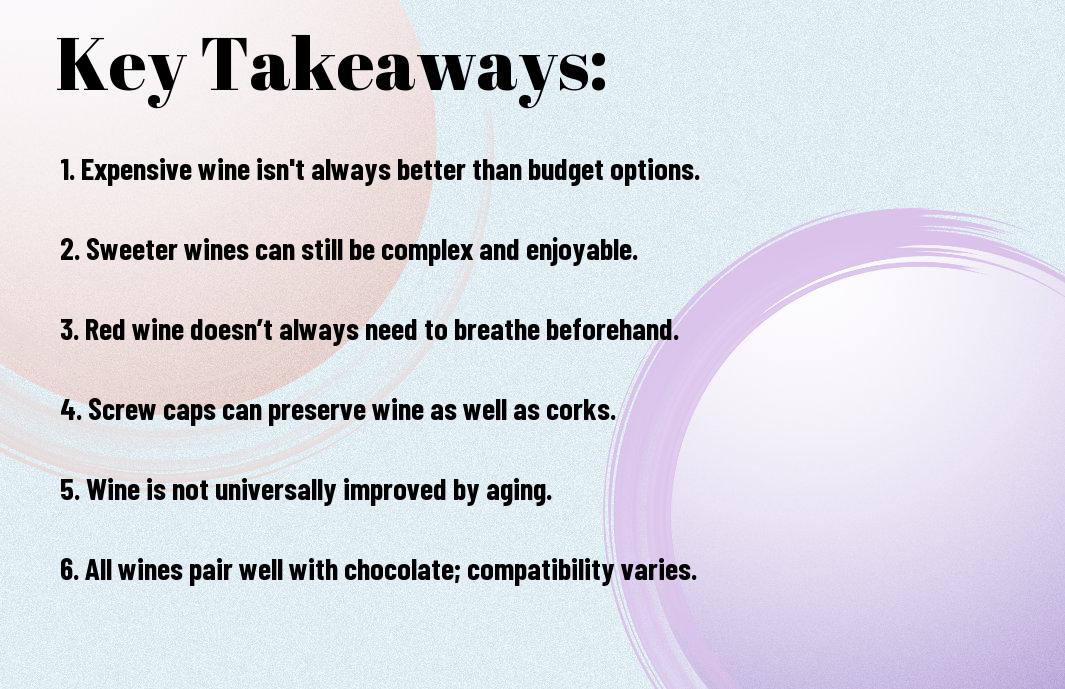
10 Common Myths About Wine Debunked

As you explore the world of wine, you’ll likely encounter numerous misconceptions that can impact your understanding and appreciation of it. Your perception of wine is shaped by the information you receive, and separating fact from fiction is vital. In this article, you will discover the truth behind common wine myths, allowing you to make informed decisions and enhance your wine-drinking experience. You will learn to navigate the world of wine with confidence, uncovering the realities behind these widespread misconceptions.

Separating Fact from Fiction

While exploring the world of wine, you’ll encounter numerous myths and misconceptions. As you probe deeper, you’ll discover that many of these myths are far from the truth, and understanding the facts will enhance your wine-drinking experience.

The idea that expensive wine is always better

Around the globe, you’ll find that the price of wine doesn’t always dictate its quality, and you can find excellent wines at various price points, allowing you to enjoy great taste without breaking the bank.

The notion that red wine is only for special occasions

The traditional view that red wine is reserved for special occasions is outdated, and you can enjoy it whenever you like, pairing it with your favorite dishes to elevate your everyday meals.

In fact, you can make red wine a part of your regular routine, exploring different types and finding the ones that suit your taste preferences, and discovering how it can complement a wide range of foods, from casual dinners to formal events, making every occasion special.

Wine and Food Pairing Myths

Any wine enthusiast knows that pairing wine with food can be a complex process. You may have heard various myths surrounding wine and food pairing, but it’s time to set the record straight. Your understanding of wine and food pairing will be broadened as you learn the truth behind these common myths.

The myth that white wine is only for fish and poultry

The traditional rule that white wine is only suitable for fish and poultry is outdated. You can pair white wine with a variety of dishes, including pork, vegetarian options, and even some red meats, depending on the specific type of wine and your personal taste.

The misconception that red wine can’t be paired with dessert

Pairing red wine with dessert may seem unconventional, but it can be a great combination. You can experiment with different types of red wine, such as a fruity Merlot or a sweet Port, to find the perfect match for your favorite desserts.

Food pairings with red wine and dessert can be surprisingly successful. You might consider pairing a rich, fruity red wine with a chocolate-based dessert, or a sweet, fortified wine with a fruity or nutty dessert. As you explore different combinations, you’ll discover that your palate can handling a wide range of flavors, and you’ll become more confident in your ability to create unique and delicious pairings.

Wine Storage and Serving Myths

After exploring various wine-related myths, you’ll find that storage and serving are areas where misconceptions abound. You may have heard that specific conditions are necessary to preserve wine’s quality, but what’s fact and what’s fiction?

The idea that wine must be stored in a humid cellar

Beside the common belief, you can store wine in a cool, dark place with moderate humidity, not necessarily a humid cellar. This will help preserve the wine’s quality without needing a dedicated wine cellar.

The notion that wine should always be served at room temperature

Beneath the surface of this myth lies a more nuanced truth. You can serve wine at various temperatures, depending on the type.

Temperature Guide

Wine Type Temperature
Red 60-65°F
White 45-50°F

But as you investigate deeper, you’ll find that serving temperature significantly affects the taste and aroma of your wine.

Optimal Serving Temperatures

Wine Style Temperature
Full-bodied red 65°F
Light-bodied white 45°F

Health Benefits and Risks

Once again, you may have heard conflicting information about the health effects of wine, leaving you unsure what to believe. As you explore the relationship between wine and your well-being, it’s imperative to separate fact from fiction.

The myth that wine is a cure-all for health problems

Behind the hype surrounding wine’s potential health benefits, you’ll find that moderation is key to avoiding potential risks. You should be aware that excessive wine consumption can lead to negative health consequences.

The misconception that all wine is high in calories and sugar

At the heart of the matter, you’ll discover that not all wines are created equal when it comes to calorie and sugar content. You can make informed choices by understanding the variations between different types of wine.

The truth is, your wine selection can significantly impact your calorie and sugar intake. The calorie and sugar content in wine varies greatly depending on factors such as the grape variety, wine style, and winemaking techniques, allowing you to choose wines that fit your dietary preferences and needs.

Wine Tasting and Appreciation

All wine enthusiasts know that there are many misconceptions surrounding wine tasting and appreciation. You may have heard that you need to be an expert or have a refined palate to truly enjoy wine, but this couldn’t be further from the truth.

The idea that you need to be an expert to appreciate wine

Necessarily, you should understand that wine appreciation is subjective, and your opinion is what matters most when it comes to enjoying a glass of wine. You don’t need to have extensive knowledge to appreciate the nuances of wine.

The notion that wine tasting is only for snobs

Among the many misconceptions about wine, this notion is particularly misleading, as you can enjoy wine tasting regardless of your background or social status. You can explore different types of wine and develop your own taste preferences.

That being said, you’ll find that wine tastings are often informal and welcoming events, where you can meet fellow wine enthusiasts and learn from their experiences. You can ask questions, share your thoughts, and discover new wines in a relaxed and friendly atmosphere, making wine tasting an enjoyable experience for anyone.

Regional Wine Myths

Keep in mind that regional wine myths can be misleading, affecting your wine choices. You may have preconceived notions about wine regions, but it’s necessary to separate fact from fiction.

The myth that only European wines are worth drinking

Between the prestigious wine regions of Europe, you may think that only they produce high-quality wines, but this is not the case. You can find excellent wines from other regions, offering unique characteristics and flavors.

The misconception that New World wines are inferior

One of the most common misconceptions is that New World wines are inferior to their European counterparts. You may have heard that these wines lack the complexity and sophistication of European wines, but this is not entirely true.

Wines from New World regions, such as the United States, Australia, and South America, have gained recognition for their high quality and innovative winemaking techniques. You can explore a wide range of styles and flavors, from full-bodied reds to crisp whites, and discover that these wines can hold their own against European counterparts, offering you a unique and exciting drinking experience.

Final Words

Conclusively, you now have a better understanding of the truth behind common wine myths. You can enhance your knowledge by visiting 10 Wine Myths: Separating Fact from Fiction to explore more about your favorite wine, allowing you to make informed decisions and appreciate your next glass even more, enriching your overall wine experience.

How to Pair Sparkling Wine With Savory Dishes

You’re about to explore the world of pairing sparkling wine with savory dishes. As you research into this culinary journey, you’ll discover how to complement your favorite meals with the perfect bubbly. Your taste buds will thank you as you learn to match the right sparkling wine with the flavors and textures of savory dishes, elevating your dining experience to new heights. You’ll find that the right pairing can transform a good meal into a great one.

Types of Sparkling Wine

For a perfect pairing, you need to know your options. Consider the following:

  • Champagne
  • Prosecco
  • Cava
  • Moscato
  • Sparkling Shiraz

Recognizing the differences, you can refer to the table below:

Wine Description
Champagne French, from Champagne region
Prosecco Italian, from Veneto region
Cava Spanish, from Penedès region
Moscato Italian, sweet and sparkling
Sparkling Shiraz Australian, red and sparkling

Champagne

To start, you should know that Champagne is a classic choice, originating from France, and pairs well with delicate dishes.

Prosecco

After considering your options, you may find that Prosecco is a great choice for its affordability and pairability with lighter dishes.

In fact, Prosecco is a popular choice for its crisp and refreshing taste, making it perfect for pairing with seafood, salads, or as an apéritif, allowing you to experiment with various combinations to find your perfect match.

Pairing Principles

While pairing sparkling wine with savory dishes, you’ll find that the key is to balance flavors. Check out Yes to pairing Champagne with the main course for inspiration. You’ll discover new ways to elevate your meals.

Balance of Flavors

Against the richness of savory dishes, you need a wine that cuts through. You’ll want to find a balance that complements your meal without overpowering it.

Complementary Profiles

To achieve a great pairing, consider the profiles of both the wine and the dish. You’ll want to find common ground between the two, whether it’s a shared flavor note or a similar level of acidity.

Principles of complementary profiles guide you in pairing sparkling wine with savory dishes. You’ll consider the weight and texture of the dish, as well as the flavor profiles of the wine, to create a harmonious combination that enhances your dining experience. By understanding these principles, you’ll be able to confidently pair your favorite sparkling wines with a variety of savory dishes, from seafood to meats and more.

Seafood Pairings

Once again, you’ll find that sparkling wine pairs well with a variety of seafood dishes, offering a refreshing contrast to rich flavors. You can match it with oysters, caviar, fish, and shellfish, and discover new flavors.

Oysters and Caviar

Across the range of seafood options, you’ll find that oysters and caviar are a perfect match for sparkling wine, as the acidity cuts through the richness of these dishes, allowing you to fully appreciate their delicate flavors.

Fish and Shellfish

At the heart of seafood pairings, fish and shellfish offer a wide range of options for pairing with sparkling wine, from delicate sole to rich lobster, and you’ll find that the right pairing can elevate your dining experience.

The key to pairing fish and shellfish with sparkling wine is to consider the flavor profile of the dish, as you want to balance the acidity and richness of the wine with the delicate flavors of the seafood, and you’ll find that a well-paired glass can bring out the best in your meal.

Meat and Poultry Pairings

Your palate will thank you when you pair sparkling wine with savory meat and poultry dishes. The right pairing can elevate the flavors of both the wine and the food, creating a harmonious match.

Red Meat and Game

Any robust red meat, such as beef or venison, can be paired with a rich, full-bodied sparkling wine to enhance its bold flavors.

Poultry and Pork

After considering the delicate flavors of poultry and pork, you’ll find that a dry, crisp sparkling wine complements them nicely, cutting through the richness of the meat.

Indeed, when you pair sparkling wine with poultry and pork, you’ll discover a refreshing contrast that cleanses your palate between bites, allowing you to fully appreciate the nuances of the dish and the wine. You can try pairing a brut sparkling wine with roasted chicken or pork chops for a delightful combination.

Vegetable and Cheese Pairings

Despite the variety of options, you can easily find a suitable sparkling wine to pair with your favorite vegetable and cheese dishes. Look for wines with crisp acidity to cut through rich flavors.

Earthy Flavors

Counter to what you might think, earthy flavors like mushrooms and beets can be paired with sparkling wines that have a hint of sweetness, balancing out the flavors.

Rich and Creamy Textures

Contrary to popular belief, rich and creamy textures like roasted vegetables and creamy cheeses can be paired with sparkling wines that have a high acidity, cutting through the richness.

At the heart of pairing rich and creamy textures with sparkling wine is finding a balance between the two. You can try pairing a rich and creamy vegetable dish with a sparkling wine that has a crisp acidity, like a brut Champagne or a dry Prosecco, to cut through the richness and cleanse your palate.

Dessert Pairings

After exploring savory pairings, you’ll find that sparkling wine can also complement sweet treats. You’ll discover new favorites by matching bubbly with desserts.

Sweet Treats

Around the idea of pairing wine with dessert, you consider rich flavors like chocolate. You match your wine to the sweetness and texture of your dessert.

Fruity Delights

Delighting in the simplicity of fruit-based desserts, you pair sparkling wine with tartness and sweetness. You find the right balance for your taste.

This pairing highlights the fruit’s natural sweetness, and you enhance it with a dry or sweet sparkling wine, depending on your dessert. You choose a wine that complements the fruit’s flavor profile, making your dessert even more enjoyable.

Summing up

Summing up, you now know how to pair sparkling wine with savory dishes. You’ve learned to consider your ingredients and the wine’s acidity. You can match delicate flavors with lighter wines and bold flavors with richer ones. With this knowledge, you can create your own perfect pairings and elevate your dining experience. Your sense of taste will guide you to find the ideal combination, making every meal a pleasure.

The Top Wine and Cheese Pairing Tips

You step into the world of wine and cheese, seeking harmony. Your senses come alive as you navigate the vast array of flavors. With so many options, finding the perfect pairing can be daunting. You want to elevate your experience, to savor each bite and sip. Look no further, as you are about to uncover the secrets to pairing wine and cheese like a connoisseur, and discover how to create your own unforgettable combinations.

Fundamentals of Wine and Cheese Pairing

While exploring the world of wine and cheese, you’ll find that a good starting point is understanding the basics. You can learn more about pairing wine and cheese with a Beginner’s Guide to Wine and Cheese Pairing, which will set you on the right path.

Basic Principles of Pairing

After acquainting yourself with the fundamentals, you’ll find that pairing wine and cheese is an art that involves balance and harmony, where you match the flavors and textures of both to create a delightful experience.

Key Considerations for Selection

For your wine and cheese pairing journey, you’ll need to consider factors such as the type of wine, the origin of the cheese, and the accompaniments that will enhance or contrast with your selection, allowing you to create a unique experience.

Another aspect to consider when selecting your wine and cheese is the occasion and your personal taste, as you may prefer a rich and creamy cheese with a full-bodied wine or a light and fruity wine with a mild cheese, the choice is yours to explore and discover your perfect match.

Exploring Wine Varieties

There’s a world of wine varieties to discover, each with its unique characteristics. You’ll find that understanding these differences is key to pairing wine with cheese. Your journey will take you through rich flavors and delicate notes, guiding you to the perfect match.

Red Wines for Rich Cheeses

Ripe flavors of red wine complement rich cheeses beautifully. You’ll enjoy the bold nuances that reds bring to your pairing, elevating your cheese-tasting experience.

White Wines for Delicate Cheeses

Beneath the surface of white wines lies a subtlety that pairs exquisitely with delicate cheeses. You’ll appreciate how the crisp acidity cuts through the creaminess, creating a balanced taste.

Indeed, white wines offer a versatility that you’ll find appealing when pairing with delicate cheeses. You can explore various styles, from the fruity notes of Riesling to the buttery hints of Chardonnay, each enhancing your cheese in a unique way, allowing you to tailor your pairing to your taste.

Cheese Categories and Pairing

After exploring the world of wine and cheese, you’ll find that understanding the categories of cheese is key to pairing them with your favorite wines. You’ll discover that different types of cheese complement different wines, and vice versa.

Soft Cheeses and Fruity Wines

By considering the delicate flavors of soft cheeses, you’ll find that they pair nicely with fruity wines, enhancing your overall tasting experience. You’ll enjoy the way the creamy texture of the cheese balances the sweetness of the wine.

Hard Cheeses and Nutty Wines

Pairing hard cheeses with nutty wines is a match made in heaven, as you’ll soon discover. You’ll appreciate how the rich flavors of the cheese are elevated by the complex notes of the wine, creating a truly satisfying taste experience.

Consequently, as you investigate deeper into the world of hard cheeses and nutty wines, you’ll notice that the sharpness of the cheese is tempered by the smooth, velvety texture of the wine, while the wine’s nutty flavors are enhanced by the cheese’s rich, savory taste, creating a harmonious balance that will leave you wanting more.

Regional Pairing Traditions

Once again, you find yourself navigating the complex world of wine and cheese pairings, and your journey takes you to the renowned regions that perfect this art. You’ll discover that different regions boast their unique pairing traditions, shaped by local flavors, climates, and cultures.

French Wine and Cheese Pairings

Aside from the richness of other pairings, you’ll notice that French wine and cheese pairings stand out for their elegance. You’ll pair a glass of Bordeaux with a slice of creamy Brie, and the experience will be nothing short of exquisite.

Italian Wine and Cheese Pairings

One of the most notable aspects of Italian wine and cheese pairings is the diversity of options. You’ll explore the Tuscan countryside, where a glass of Chianti accompanies a plate of fresh Mozzarella, and the simplicity is stunning.

Consequently, as you explore deeper into Italian pairings, you’ll find that the variety of cheeses and wines available to you is astounding. You’ll experiment with Parmigiano-Reggiano and Barolo, or perhaps Gorgonzola and Moscato, and your palate will thank you for the adventure, as each combination unfolds a new story of flavors and traditions.

Balancing Flavors and Textures

To achieve a perfect wine and cheese pairing, you need to balance flavors and textures. You’ll want to consider the weight and richness of the cheese and match it with a wine that complements its characteristics, creating a harmonious union that delights your senses.

Contrasting and Complementary Pairings

Above all, you’ll find that contrasting and complementary pairings can elevate your wine and cheese experience. You might pair a rich, creamy cheese with a crisp, dry wine to cut through the heaviness, or match a light, fruity wine with a mild, nutty cheese for a delightful surprise.

Harmonious Pairings for a Perfect Match

Across the spectrum of wine and cheese combinations, you’ll discover that harmonious pairings are all about finding a perfect balance. You’ll want to pair a smooth, mellow cheese with a wine that echoes its subtle notes, or match a bold, pungent cheese with a wine that stands up to its robust flavors, creating a match made in heaven.

Complementary elements come together to create a perfect pairing, and as you explore the world of wine and cheese, you’ll find that your palate will guide you toward the ideal match. You’ll learn to trust your instincts, combining your favorite wines and cheeses in innovative ways to create unique and delicious pairings that suit your taste, and your sense of adventure will be rewarded with each new discovery.

Advanced Pairing Techniques

Many wine and cheese enthusiasts seek to refine their pairing skills. Consider the following:

  1. Understanding flavor profiles
  2. Exploring textures
Wine Cheese
Rich and fruity Soft and creamy

Considering Tannins and Acidity

Along with the complexity of flavors, you’ll find that tannins and acidity play a significant role in your pairing decisions, guiding your choices towards harmony or contrast.

Experimenting with Sweet and Fortified Wines

Along the lines of exploring new flavors, you’ll discover that sweet and fortified wines offer a distinct pairing experience, worthy of your attention and experimentation.

Due to the unique characteristics of sweet and fortified wines, you’ll have the opportunity to pair them with a variety of cheeses, from soft and creamy to hard and aged, creating a truly personalized experience that reflects your taste and preferences, allowing you to refine your palate and develop your own signature pairings.

To wrap up

As a reminder, you now hold the keys to expertly pairing wine and cheese. You’ve learned to balance flavors, textures, and aromas, elevating your gatherings. With your newfound knowledge, you’ll navigate your wine and cheese journey with confidence, savoring each nuanced delight. Your taste buds will thank you as you explore the perfect harmonies of wine and cheese, a match made to delight your senses.

How to Understand Wine Labels Easily

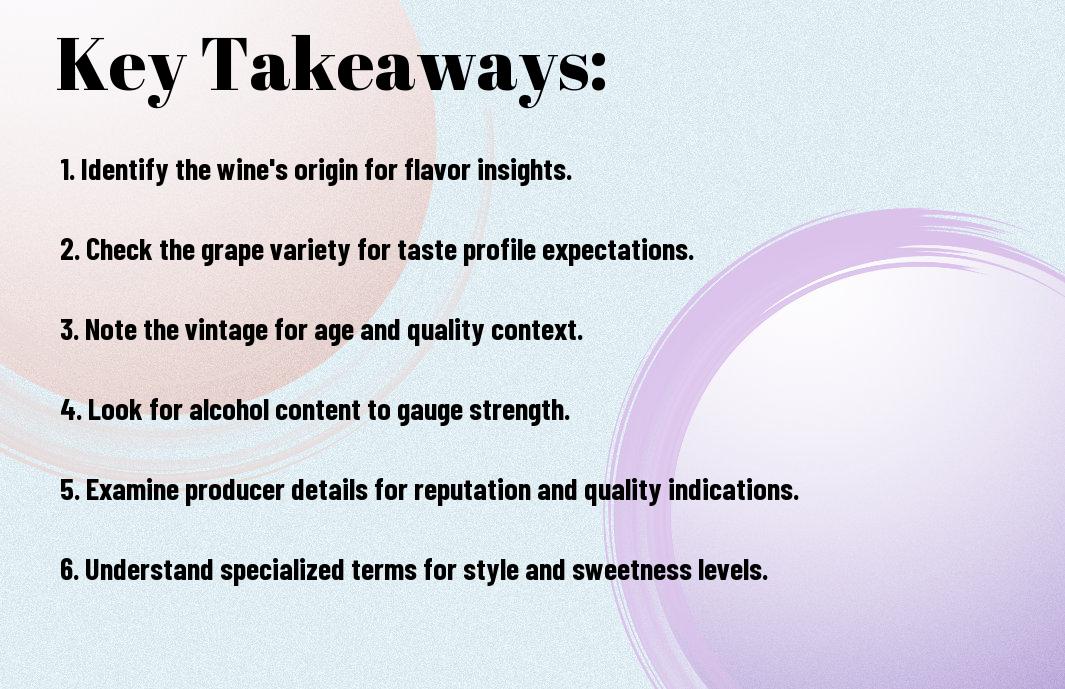
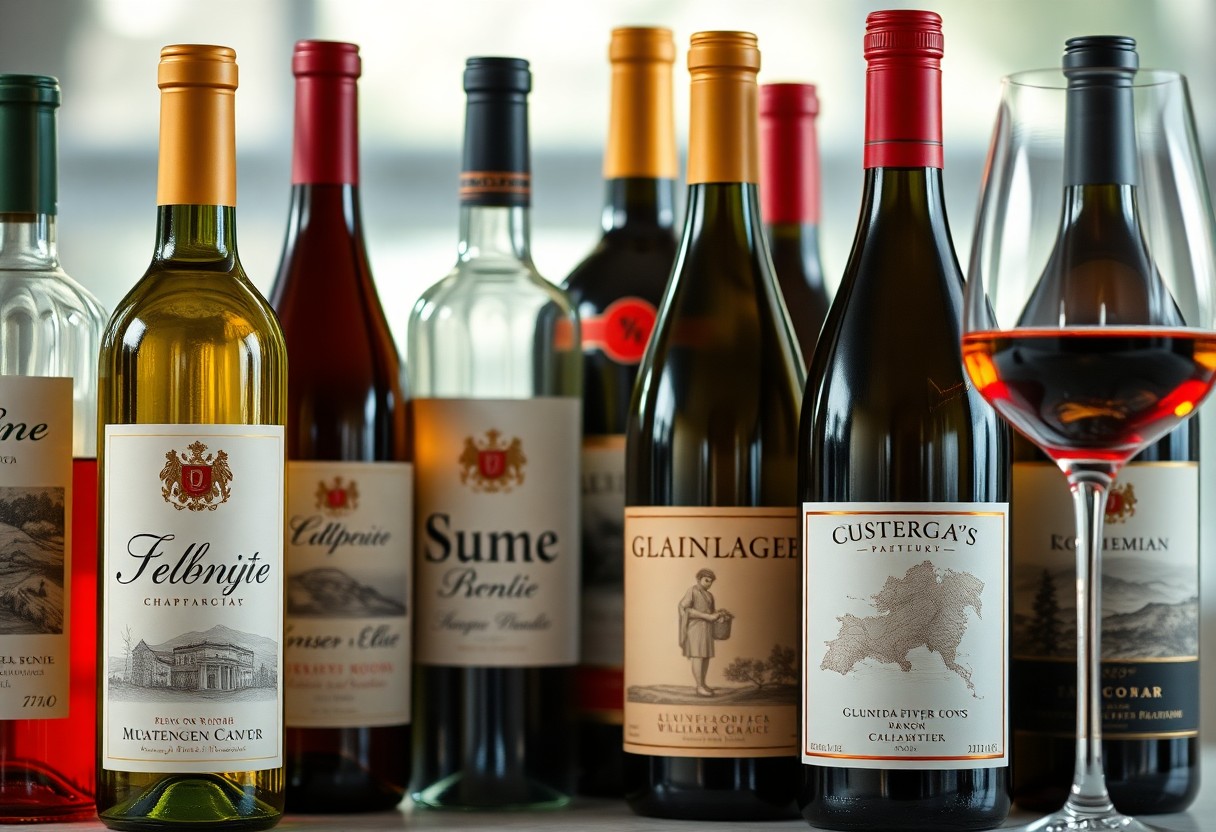
You stand in front of a wine shelf, surrounded by bottles with labels that seem to speak a foreign language. You want to make an informed choice, but the terminology is unfamiliar. As you begin to explore the world of wine, you’ll encounter a multitude of labels, each telling a story about the wine inside. Your journey to understanding these labels starts here, and with a few simple steps, you’ll be able to decipher the information and choose a wine that suits your taste.

Breaking Down the Label

Your journey to understanding wine labels begins with a closer look at the elements that make up the label, and what each part tells you about the wine inside the bottle.

Basic Components

Around the edges of the label, you’ll find the producer’s name, the wine’s region, and the vintage year, all of which give you a sense of the wine’s origins and character.

Label Terminology

For instance, terms like “Reserve” or “Estate Bottled” can indicate the wine’s quality and production methods, giving you a better understanding of what to expect from the wine.

It is worth noting that understanding these terms can help you make informed decisions when selecting a wine, as they often signify specific standards or practices in the winemaking process, allowing you to choose a wine that suits your taste preferences and budget, and you will find that learning about these terms will enhance your wine drinking experience.

Country of Origin

Assuming you’re trying to decipher a wine label, the country of origin is a good place to start. You’ll typically find it at the top of the label, and it can give you a sense of the wine’s overall style and character. Your knowledge of different countries’ wine-making traditions will help you narrow down your options and find a wine that suits your taste.

Regional Wine Laws

Following your initial glance at the country, you’ll want to consider the regional wine laws that govern the production of the wine. You’ll find that these laws vary greatly from country to country, and they can impact the quality and consistency of the wine. Your understanding of these laws will help you make a more informed decision when selecting a wine.

Geographical Indicators

Around the world, geographical indicators are used to identify the specific region where the wine was produced. You’ll see terms like “Bordeaux” or “Tuscany” on the label, and these can give you a sense of the wine’s terroir and quality. Your familiarity with these indicators will help you navigate the wine list with confidence.

The geographical indicators on a wine label can be quite specific, indicating not just the region but also the specific village or vineyard where the grapes were grown. You can use this information to explore different wines from the same region, comparing their flavor profiles and prices to find the one that best suits your taste and budget. As you become more familiar with geographical indicators, you’ll be able to make more informed decisions and discover new wines to enjoy.

Wine Classification

Not all wine labels are created equal, and understanding the classification system can help you navigate the world of wine. You can learn more about How to Read Wine Labels | Wine Guide to get started.

Types of Wine

You’ll encounter various types of wine, including:

  • Red
  • White
  • Rosé
  • Sparkling
  • Dessert

This will help you make informed decisions when choosing a wine.

Wine Type Description
Red Full-bodied, rich flavor
White Crisp, refreshing taste
Rosé Fruity, floral notes
Sparkling Bubbly, celebratory wine
Dessert Sweet, indulgent treat

Quality Control

To ensure you’re getting a high-quality wine, look for certifications like DOC or AOC. You can trust that your wine has met certain standards.

It is important to check the label for authenticity and adherence to regulations. You want to be confident in your purchase, and proper quality control gives you peace of mind when selecting a wine.

Grape Varieties and Blends

All wine labels feature the type of grape used to make the wine. You’ll see single varieties or blends, each with its own characteristics. As you explore wine labels, you’ll become more familiar with the different types.

Popular Grape Varieties

Across the world, certain grape varieties stand out, such as Chardonnay, Merlot, and Cabernet Sauvignon. You’ll find these on labels, indicating the wine’s style and flavor profile.

Blend Composition

Beside the grape variety, the blend composition is also listed, showing the proportion of each grape used. You can use this information to anticipate the wine’s taste and aroma.

The blend composition can be a key factor in determining the overall character of the wine. As you study the label, you’ll notice that the proportion of each grape variety can vary, allowing you to tailor your selection to your personal taste preferences, and you’ll find that understanding blend composition helps you make informed choices when selecting a wine to enjoy.

Producer Information

Many wine labels include information about the producer, which can help you understand the wine’s origin and calidad. You’ll typically find the producer’s name, address, and other relevant details.

Winery and Vineyard

Insights into the winery and vineyard can be found on the label, providing you with a glimpse into the wine’s production process. You can look for phrases that indicate the winery’s location and ownership.

Wine Maker’s Notes

Producers often include notes about the wine, offering you a personal perspective on the flavor profile and characteristics. You can use this information to guide your expectations and appreciation of the wine.

Wine enthusiasts like you will appreciate the additional details found in the Wine Maker’s Notes section. You can learn about the wine’s aging process, grape variety, and other technical aspects that influence the final product, allowing you to make informed decisions when selecting a wine that suits your taste.

Additional Information

Unlike other labels, wine labels can be overwhelming, but understanding them is key to selecting a great wine. You’ll find various details that can influence your decision, from the region to the vintage year.

Age and Vintage

Across different wine regions, you’ll notice the vintage year printed on the label, indicating the year the grapes were harvested. You can use this information to determine the wine’s age and potential quality.

Awards and Recognition

Recognizing the awards and accolades on a wine label can give you insight into the wine’s excellence. You’ll see medals, trophies, or special mentions that indicate the wine has been judged and praised by experts.

Plus, as you explore the world of wine, you’ll discover that these awards can impact your perception of the wine’s quality and value. You’ll be able to make more informed decisions when selecting a wine, and you’ll appreciate the effort that goes into producing a award-winning wine, which can enhance your overall wine-drinking experience.

Summing up

Now you’ve got the basics down, you can approach wine labels with confidence. You’ll be able to decipher your way through the terminology and find the perfect bottle to suit your taste. Your newfound knowledge will enhance your wine-drinking experience, allowing you to appreciate the nuances of each vintage and variety. You’ll be able to make informed choices, exploring different wines and discovering new favorites.

Skip to content