Food

How to Pair Wine With Your Favorite Foods

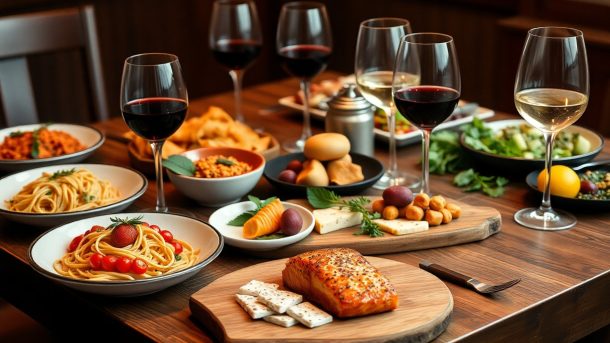
As you explore the world of wine and cuisine, you’ll discover that pairing the right wine with your favorite dishes can elevate your dining experience. You’ll learn how to complement flavors and textures, creating a harmonious balance that delights your palate. With a few simple guidelines, you can confidently select the perfect wine to accompany your meals, enhancing the flavors and aromas of your favorite foods, and taking your culinary adventures to the next level, one pairing at a time, tailored to your unique tastes.

Essential Wine Pairing Principles

The key to pairing wine with your favorite foods is understanding the fundamental principles that guide this process. You will learn how to combine wine and food in a way that enhances your dining experience, and discover the perfect pairing for your taste preferences.

Balancing Flavors

Alongside the type of dish, you should consider the flavors involved, as you will want to balance and complement them with your wine choice, ensuring a harmonious and enjoyable experience for your palate.

Considering Texture and Weight

Alike other aspects of wine pairing, you should think about the texture and weight of the food you are serving, as you will want to select a wine that complements these elements, creating a well-rounded and satisfying experience for your senses.

Indeed, when considering texture and weight, you will find that certain wines pair better with specific textures, such as smooth or crunchy, and weights, like light or heavy, allowing you to make informed decisions when selecting a wine to accompany your meal, and thereby enhancing your overall dining experience.
Pairing Wine with Red Meats

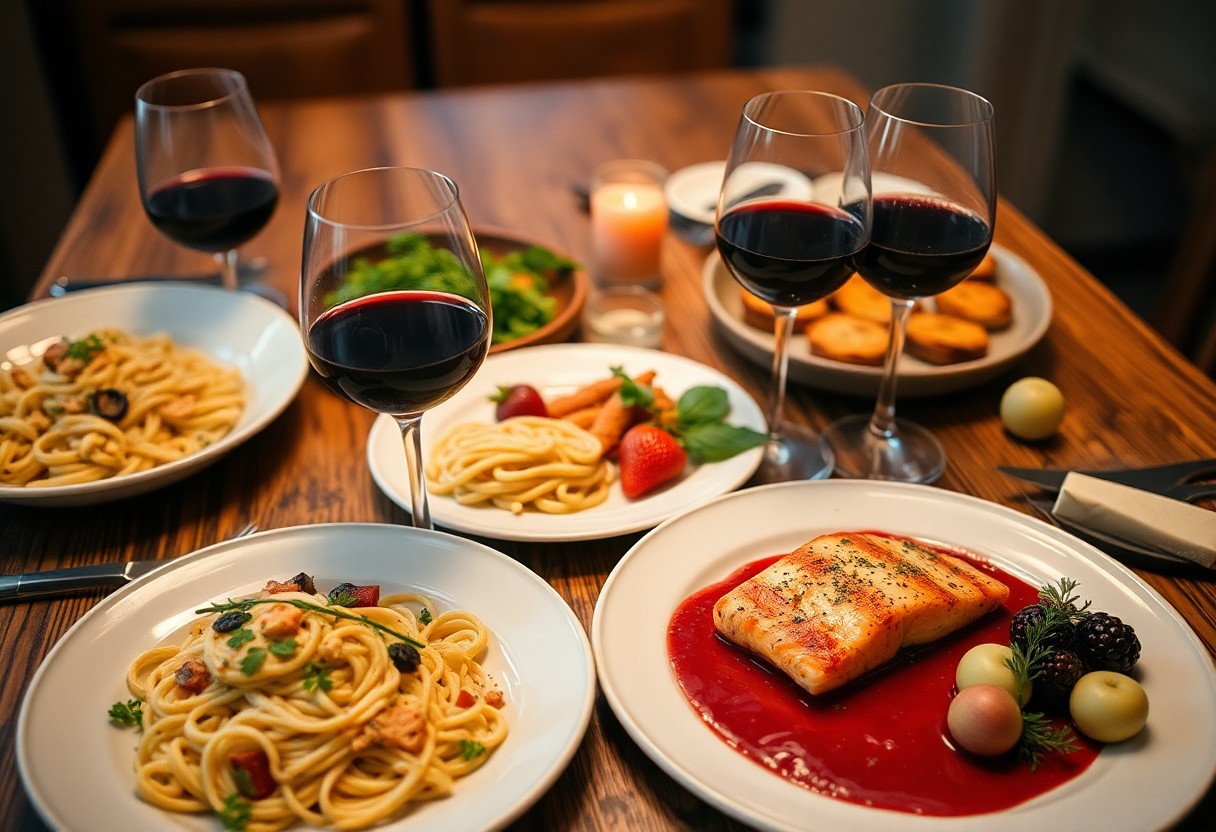
There’s an art to pairing wine with red meats, and you’ll find that the right combination can elevate your dining experience. You’ll want to consider the richness and boldness of the meat when selecting a wine, as well as the cooking method and any accompanying sauces or seasonings.

Beef and Cabernet Sauvignon

Following a successful pairing, you’ll often find that beef and Cabernet Sauvignon are a match made in heaven, as the tannins in the wine complement the charred, savory flavors of the beef, creating a harmonious balance of flavors that you’ll appreciate.

Lamb and Syrah/Shiraz

Likewise, lamb is a natural pairing for Syrah/Shiraz, as the wine’s dark fruit flavors and spicy undertones enhance the rich, gamey flavor of the lamb, allowing you to fully appreciate the nuances of both the wine and the dish.

In addition, when pairing lamb with Syrah/Shiraz, you may want to consider the specific cut and cooking method, as a grilled or roasted lamb can bring out the smoky, savory flavors in the wine, while a braised lamb can emphasize the fruitier notes, giving you a deeper understanding of the pairing possibilities.

Pairing Wine with White Meats and Fish

For pairing wine with white meats and fish, you can consult The Basics: Wine and Food Pairing Guide to learn more. You will discover how to match your favorite dishes with the perfect wine.

Chicken and Chardonnay

By exploring different wine options, you will find that chicken pairs well with Chardonnay, creating a rich and creamy combination that enhances your dining experience. You can experiment with various Chardonnay styles to find your perfect match.

Salmon and Sauvignon Blanc

Before pairing wine with salmon, consider the flavors and seasonings used in your recipe. You will find that a glass of Sauvignon Blanc complements the delicate taste of salmon, refreshing your palate.

Plus, when you pair salmon with Sauvignon Blanc, you will notice that the citrus notes in the wine enhance the fish’s natural flavors, creating a well-balanced and refreshing taste experience that you will enjoy with your meals.

Exploring Wine and Dessert Combinations

Many people struggle to find the perfect wine to pair with their favorite desserts. You can elevate your dessert experience by choosing a wine that complements the sweetness and textures of your treat.

Sweet Treats and Moscato

Around the world, Moscato is a popular choice for sweet treats like fruity desserts and cheesecakes. You will find that the sweetness of the Moscato pairs perfectly with the sweetness of your dessert, creating a delightful taste experience.

Rich Desserts and Port Wine

Behind the richness of desserts like chocolate cake and cheesecake lies a perfect pairing opportunity with Port Wine. You will discover that the sweetness of the Port Wine balances the richness of your dessert, creating a decadent taste experience.

Exploring the world of Port Wine and rich desserts, you will find that the key to a great pairing is to balance the sweetness and richness of the dessert with the sweetness and complexity of the Port Wine. As you experiment with different combinations, you will develop your own preferences and techniques for pairing your favorite rich desserts with the perfect Port Wine.

Wine and Cheese Pairing Basics

Now that you’re exploring the world of wine and cheese pairing, it’s necessary to understand the fundamentals. You’ll discover that certain wines complement specific types of cheese, enhancing your overall dining experience. As you examine into the world of wine and cheese, you’ll learn to appreciate the unique characteristics of each.

Soft Cheeses and White Wine

For a perfect pairing, consider combining soft cheeses like brie or feta with a crisp white wine. You’ll find that the creamy texture of the cheese is beautifully balanced by the wine’s acidity, creating a delightful taste experience.

Hard Cheeses and Red Wine

Any rich and full-bodied red wine is an excellent match for hard cheeses like cheddar or parmesan. You’ll notice that the bold flavors of the wine complement the sharpness of the cheese, resulting in a satisfying combination.

Hence, as you explore the pairing of hard cheeses and red wine, you’ll find that the tannins in the wine help to cut through the richness of the cheese. You can experiment with different types of red wine, such as Cabernet Sauvignon or Merlot, to find the perfect match for your favorite hard cheese, and discover a new level of depth and complexity in your wine and cheese pairings.

Advanced Wine Pairing Techniques

Keep in mind that mastering wine pairing takes practice. Consider the following:

  1. Food texture
  2. Wine acidity
Wine Style Food Pairing
Light-bodied Delicate fish

Considering the Role of Tannins

About the time you start exploring wine pairing, you’ll notice tannins play a significant role in balancing your palate, affecting how you perceive your wine and food combination, as you taste the complexity of your favorite dishes with a glass of wine.

Enhancing Flavors with Umami

Role of umami flavor in your wine pairing is significant, as it enhances your overall dining experience, you will find it in foods like mushrooms and soy sauce, which pair well with certain wines, allowing you to appreciate the depth of flavors in your meal.

A key aspect of enhancing flavors with umami is understanding how it interacts with your wine, as you experiment with different combinations, you’ll discover that umami-rich foods can bring out the best in your wine, elevating your dining experience to a whole new level, and allowing you to explore new flavors and sensations.

Conclusion

On the whole, you now have a better understanding of how to pair wine with your favorite foods. You can confidently select a wine that complements your meal, enhancing your dining experience. By considering your personal taste and the characteristics of your food, you will make informed choices, and your enjoyment of wine and food will be elevated. You will discover new flavors and appreciate the art of pairing wine with your meals.

How to Build a Meal Prep Routine That Works

You’re about to take control of your eating habits, and your life is going to change. You’ll learn how to plan, shop, and cook your meals in advance, saving you time and stress. Your goal is to create a routine that fits your lifestyle, and you’re ready to get started. You’ll discover the benefits of meal prep, from healthier eating to increased productivity, and you’ll be guided through the process with simple, actionable steps. Your journey to a more organized you begins now.

Setting Up Your Meal Prep Routine

While establishing a meal prep routine, you’ll need to consider your lifestyle and preferences. This involves planning and organization to ensure a successful routine that saves you time and money.

Defining Your Goals and Objectives

Goals are necessary when creating a meal prep routine, and you should identify what you want to achieve, whether it’s weight loss, healthy eating, or saving time.

Assessing Your Dietary Needs

Routine evaluation of your dietary needs is vital, and you must consider your health requirements, allergies, and preferences to create a personalized meal plan.

Your dietary needs assessment will help you determine the best foods for your body, and you should consider factors like calorie intake, macronutrient balance, and meal frequency to ensure your meal prep routine supports your overall health and wellness, allowing you to make informed decisions about the foods you eat.

Planning Your Meals

If you’re looking to build a meal prep routine, a good place to start is by checking out resources like Mastering the Art of Meal Prep for Beginners, which can provide valuable guidance on creating a personalized plan.

Creating a Weekly Menu

Your meal prep routine starts with a weekly menu, outlining what you’ll eat for each meal, making it easier to stay on track and ensure you’re meeting your dietary needs.

Making a Grocery List

Between planning and shopping, having a list helps you stay focused on the ingredients you need, preventing impulse buys and saving time.

Due to the importance of having the right ingredients, take your time when making your grocery list, considering your menu and dietary goals, and making adjustments as needed to ensure a successful meal prep routine that works for you.

Preparing Your Meals

To start building your meal prep routine, you’ll need to plan and prepare your meals in advance. This involves deciding on the dishes you want to cook, making a grocery list, and setting aside time to cook and portion your meals.

Cooking and Portioning

Against the temptation to overcomplicate things, keep your meals simple and focused on whole foods. You’ll find that cooking in bulk and portioning out individual servings saves time and reduces waste.

Storage and Reheating

By investing in a set of sturdy containers, you’ll be able to store your meals safely and conveniently. You’ll want to label and date each container, and consider the reheating instructions for each meal.

Considering the specifics of storage and reheating, you should think about the types of containers that will work best for your needs. You’ll want to choose containers that are airtight, microwave-safe, and easy to clean, allowing you to grab a meal and go, or reheat it quickly and easily when you’re ready to eat. This will help you stay on track with your meal prep routine and ensure that your meals are always fresh and ready to eat.

Staying on Track

Unlike other habits, building a meal prep routine requires discipline and consistency. You need to commit to your plan and make adjustments as needed to ensure success. Your meal prep routine should be flexible enough to accommodate changes in your schedule or dietary needs.

Creating a Schedule

Across the board, a well-planned schedule is crucial to maintaining your meal prep routine. You should set aside specific days and times for meal planning, grocery shopping, and cooking to ensure a smooth process. Your schedule will help you stay organized and focused on your goals.

Overcoming Obstacles

Along the way, you will encounter obstacles that may derail your meal prep routine. You may face challenges such as lack of motivation, busy schedules, or dietary restrictions. Your ability to overcome these obstacles will determine the success of your meal prep routine.

Considering the potential obstacles you may face, it’s crucial to develop strategies to overcome them. You can start by identifying the obstacles that are most likely to affect your routine and developing contingency plans to address them. For example, if you know you have a busy week ahead, you can prep meals in advance or find healthy alternatives that fit your schedule. By being proactive and flexible, you can ensure that your meal prep routine stays on track and helps you achieve your health and wellness goals.

Customizing Your Routine

Keep your meal prep routine tailored to your lifestyle by making adjustments as needed. You’ll find that a personalized approach helps you stay on track and achieve your goals.

Accounting for Dietary Restrictions

Around your dietary needs, you’ll want to build a routine that accommodates any restrictions or preferences, ensuring you’re fueling your body with the right foods.

Incorporating New Recipes

Your routine will benefit from trying new recipes, which helps keep meal prep exciting and prevents boredom from setting in, making it easier to stick to your plan.

Considering the variety of recipes available, you can explore different cuisines and flavors to add some spice to your meal prep, keeping you engaged and motivated to continue with your routine, and helping you discover new favorite dishes that fit your taste and dietary needs.

Maintaining Momentum

Your meal prep routine is in full swing, and you’re seeing the benefits of a structured approach to healthy eating. To keep the momentum going, you’ll need to stay on track and adapt to changes in your schedule and preferences.

Monitoring Progress

By tracking your progress, you’ll be able to identify what’s working and what areas need improvement, allowing you to make informed decisions about your meal prep routine and make adjustments as needed to stay on course.

Making Adjustments

Making tweaks to your meal prep routine is necessary to keeping it fresh and effective, and you’ll need to be willing to experiment with new recipes and ingredients to avoid boredom and prevent plateaus.

And as you continue to refine your meal prep routine, you’ll find that it becomes second nature, allowing you to focus on other areas of your life while still enjoying the benefits of healthy, home-cooked meals, and you’ll be able to take pride in your ability to maintain a consistent and effective meal prep routine that supports your overall well-being.

Conclusion

On the whole, you’ve got the tools to build a meal prep routine that works for your lifestyle. You’ve learned how to plan, shop, and cook with ease. Now, it’s time to put your skills to the test. Your new routine will save you time, money, and stress, allowing you to focus on what matters most. With your meal prep routine in place, you’ll be on your way to a healthier, more balanced you.

The Science Behind Umami and Flavor Pairing

The Biology of Umami

Your taste buds are responsible for detecting the five basic tastes, including umami, which is often referred to as the fifth taste. Umami is associated with savory, meaty, and brothy flavors, and it plays a significant role in the way you experience food.

The Discovery of Umami

Around the turn of the 20th century, a Japanese chef and chemist discovered a new taste that he couldn’t classify as sweet, sour, bitter, or salty, and he named it umami, which roughly translates to “pleasant savory taste” in Japanese.

Umami Receptors and Perception

Towards understanding how you perceive umami, it’s interesting to note that your tongue has specialized receptors that can detect glutamates, which are the amino acids responsible for umami taste, and these receptors send signals to your brain, allowing you to experience the rich, savory flavor of umami.

Umami receptors are found on your taste buds, and when glutamates bind to these receptors, they trigger a response that allows you to perceive the umami taste, and as you explore different foods and flavor combinations, you’ll find that umami is a key component of many rich and satisfying flavors, from the depths of a hearty broth to the intensity of a perfectly aged cheese, and by understanding how umami works, you can enhance your appreciation of these flavors and develop your own unique approach to cooking and eating.

Flavor Profiles and Umami

Some of the most complex and engaging flavors you’ll encounter are those that combine multiple elements, including umami. As you explore the science behind umami, you’ll discover how it enhances and balances your favorite dishes.

Umami-Rich Foods

Beneath the surface of many savory foods lies a depth of umami flavor. You’ll find it in meats, seafood, vegetables, and even some fruits, waiting to be coaxed out by your culinary skills.

Balancing Umami in Recipes

Following the principles of umami, you can create dishes that are both nuanced and satisfying. You’ll learn to balance umami with other flavors, resulting in recipes that are truly greater than the sum of their parts.

Recipes that successfully balance umami often rely on a combination of ingredients, each contributing its own unique character. As you experiment with umami-rich foods, you’ll develop a sense of how to harmonize these flavors, creating dishes that resonate with your taste buds and leave you wanting more. You’ll find that balancing umami is an art that requires a deep understanding of how different ingredients interact, and how you can use them to craft recipes that are both delicious and visually appealing.

The Chemistry of Umami

All the flavors you experience, including umami, are a result of chemical reactions on your taste buds. As you explore the science behind umami, you’ll discover the complex interactions that create this distinct taste sensation.

Glutamates and Nucleotides

Beneath the surface of umami flavor lie glutamates and nucleotides, the compounds responsible for its rich, savory taste. You’ll find these naturally occurring substances in many foods, from meats to vegetables, and they’re also used as flavor enhancers in various products.

Umami Enhancement and Synergy

Likewise, glutamates play a significant role in umami enhancement and synergy, as they amplify the overall flavor experience. You can notice this effect when combining ingredients like mushrooms, soy sauce, and fish, which creates a harmonious balance of tastes.

Another aspect of umami enhancement and synergy is the way it affects your perception of other flavors. As you combine umami-rich ingredients with sweet, sour, or bitter flavors, you’ll notice how they interact and influence each other, creating a more complex and engaging taste experience. You can experiment with different combinations to discover how umami enhances the overall flavor profile of your dishes.

Cultural Significance of Umami

Now that you’ve discovered the science behind umami, let’s explore its cultural significance. Umami is a fundamental element in many cuisines, elevating dishes and creating depth of flavor.

Umami in Traditional Cuisines

Any exploration of umami must consider traditional cuisines, where you’ll find it used to enhance flavors in dishes like Japanese dashi or Italian parmesan cheese, adding richness to your culinary experience.

Umami in Modern Food Culture

By embracing umami, you can take your cooking to the next level, as modern chefs and home cooks alike are discovering new ways to incorporate this flavor into your recipes, from savory sauces to umami-rich vegetables.

Umami is becoming increasingly popular in modern food culture, as you experiment with new ingredients and flavor combinations, discovering how umami can balance and elevate the flavors in your favorite dishes, and even creating new, innovative flavors that delight your palate and broaden your culinary horizons.

Pairing Umami with Other Flavors

Unlike other flavors, umami can elevate and balance your dishes when combined with other tastes, allowing you to create complex and harmonious flavor profiles that enhance your culinary experience.

Umami and Sweetness

Beneath the surface of many sweet dishes, umami flavors can add depth and interest, as you discover how sweetness can bring out the best in umami, creating a delightful harmony of flavors in your cooking.

Umami and Spiciness

With the combination of umami and spiciness, you can create a truly captivating flavor experience, as the heat from spicy ingredients complements the richness of umami, leaving you wanting more of this dynamic duo in your recipes.

But as you explore the pairing of umami and spiciness, you’ll find that the right balance is key, as too much heat can overpower the subtle nuances of umami, so you’ll need to experiment to find the perfect equilibrium that works for your taste, allowing you to fully appreciate the synergy between these two flavors in your cooking.

Applications of Umami in Cooking

For chefs and home cooks alike, understanding umami is key to creating dishes with depth and richness. You can leverage umami to balance and enhance your recipes, adding complexity to even the simplest of meals.

Umami-Rich Ingredients

Around the world, you’ll find ingredients that naturally contain high levels of umami flavor, which you can use to add depth to your cooking.

Techniques for Enhancing Umami

Beside using umami-rich ingredients, you can also employ various cooking techniques to bring out the umami flavor in your dishes, allowing you to create rich and savory meals with ease.

Cooking methods such as caramelization, braising, and roasting can enhance the umami flavor in your ingredients, as these processes break down proteins and concentrate the naturally occurring glutamates. As you experiment with these techniques, you’ll find that your dishes become more complex and satisfying, with a depth of flavor that will leave your guests wanting more. You can apply these methods to a wide range of ingredients, from meats and vegetables to grains and legumes, to create a variety of delicious and umami-rich meals.

Conclusion

As a reminder, you now have a deeper understanding of the science behind umami and flavor pairing. You can apply this knowledge to elevate your cooking by exploring The Science behind great ingredient pairings to create harmonious and delicious dishes, taking your culinary skills to the next level, and enhancing your overall dining experience, as you experiment with your new knowledge of flavor combinations and umami’s role in your cooking.

The Best Wines for Beginners to Try

As you commence on your wine journey, selecting the right bottle can be overwhelming, but with your newfound interest, you’re ready to explore. You’re looking for a wine that suits your taste, and to help you, we’ve curated a list of the best wines for you to try. For more guidance, you can visit Best Wine for Beginners: A Guide to Your First Bottle to discover your perfect match and start your wine adventure with confidence.

Red Wines for Beginners

To explore the world of red wines, you’ll find a variety of styles to suit your taste. You can choose from light and fruity to bold and full-bodied options, depending on your preferences.

Light and Fruity Options

About the lighter side of red wines, you’ll discover flavors of cherry and plum, perfect for those who prefer a smoother taste. You can try Pinot Noir or Beaujolais for a refreshing experience.

Bold and Full-Bodied Choices

A key characteristic of bold and full-bodied red wines is their ability to pair well with rich and savory foods, such as red meat and robust cheeses. As you explore these wines, you’ll notice that they often have hints of dark fruit, spice, and sometimes even chocolate, making them a great match for your favorite dishes.

White Wines for Beginners

Assuming you’re new to the world of white wines, you’ll find a wide range of options to suit your taste. From crisp and refreshing to rich and buttery, white wines offer a diverse selection for your palate.

Crisp and Refreshing Varieties

By exploring the world of white wines, you’ll discover crisp and refreshing varieties like Sauvignon Blanc and Pinot Grigio, perfect for sipping on a warm day or pairing with light dishes.

Rich and Buttery Selections

On the other hand, you may prefer rich and buttery selections like Chardonnay, with its smooth and velvety texture, ideal for complementing richer meals or enjoying on its own.

Beginners, when trying rich and buttery white wines, you’ll notice the complexity of flavors, often with notes of vanilla, caramel, and oak, which will enhance your overall wine-drinking experience, and help you appreciate the art of winemaking, allowing you to explore your preferences and find the perfect rich and buttery white wine to suit your taste.

Sparkling Wines for Special Occasions

For special occasions, you can’t go wrong with a good sparkling wine. You’ll find that these wines add a touch of elegance and sophistication to any celebration, making them perfect for weddings, anniversaries, or holiday gatherings.

Budget-Friendly Options

Beneath the premium brands, you’ll find affordable sparkling wines that offer great quality and taste. You can explore options like Prosecco or Cava, which are not only budget-friendly but also delicious and perfect for your special occasions.

Luxury Choices for Celebrations

At the higher end of the spectrum, you’ll discover luxury sparkling wines that are perfect for your most special celebrations. You’ll find that these wines, such as high-end Champagnes, offer complex flavors and a luxurious experience, making them ideal for your most significant occasions.

For instance, when you choose a luxury Champagne, you’re not just selecting a drink, you’re opting for an experience. You’ll appreciate the intricate details, from the delicate bubbles to the refined flavors, which will make your special occasion even more memorable and enjoyable, allowing you to savor every moment with your loved ones.

Rosé Wines for Warm Weather

Your warm-weather wine selection isn’t complete without a refreshing rosé. These elegant wines are perfect for sipping on a sunny day.

Dry and Provence-Style Rosés

Adeptly crafted dry rosés offer a stylish and sophisticated choice, with subtle flavors that won’t overpower your palate.

Fruity and Off-Dry Rosés

For a sweeter take on rosé, you can opt for fruity and off-dry styles, which boast juicy flavors and a smooth finish.

To explore the world of fruity and off-dry rosés, you can start by trying wines from regions like Italy or Spain, where these styles are particularly popular. You’ll find that these wines pair nicely with a variety of dishes, from seafood to salads, and are perfect for casual gatherings or outdoor events. As you sip on these refreshing wines, you’ll appreciate the balance of sweetness and acidity that makes them so enjoyable.

Wine and Food Pairing for Beginners

Despite the complexity of wine and food pairing, you can easily find a match that suits your taste. As a beginner, start with simple combinations and experiment with different flavors to find your preferences.

Classic Pairings

Across various cuisines, you’ll find traditional pairings that work well, such as Chardonnay with chicken or Merlot with red meat, which can serve as a starting point for your exploration.

Modern and Adventurous Combinations

Along with traditional pairings, you can try unconventional matches, like pairing a rich dessert wine with a spicy dish, to discover new flavors and enhance your dining experience.

Modern wine drinkers are pushing the boundaries of traditional pairing rules, and you can do the same by experimenting with unexpected combinations. As you explore different wines and foods, you’ll develop your own taste and preferences, and find the perfect pairing to elevate your meals.

Building Your Wine Collection

Unlike other hobbies, building a wine collection can be intimidating, but it doesn’t have to be. You can start with a few bottles and gradually add more as you explore different types and styles.

Essential Bottles for Every Beginner

By investing in a few key bottles, you’ll have a solid foundation for your collection. You should consider including a Cabernet Sauvignon, Chardonnay, and Pinot Noir to start.

Exploring Different Regions and Styles

Every wine region and style offers something unique, and you’ll want to try them to find your favorites. You can start with popular regions like Bordeaux and Tuscany, and then move on to other areas.

With a little experimentation, you’ll discover the diversity of wines from different regions and styles, and your palate will become more refined. You’ll learn to appreciate the nuances of Old World and New World wines, and develop a deeper understanding of what you enjoy in a wine, allowing you to make informed decisions when adding to your collection.

Final Words

Summing up, you now have a solid foundation to start your wine journey. You can explore your palate with the best wines for beginners, and as you taste, your knowledge will grow. With your newfound understanding, you can confidently choose a wine that suits your taste, and soon you will be navigating the world of wine like a pro, making your own informed decisions about the perfect wine for your occasions.

The Joy of Cooking With Fresh Herbs

As you step into your kitchen, you’re about to unlock a world of flavors with the simplest of ingredients – fresh herbs. Your cooking will transform, and your senses will delight in the aromatic flavors that these herbs bring. You’ll discover how easy it is to elevate your dishes, from soups to salads, with a sprinkle of freshness. With your own hands, you’ll learn to harness the power of fresh herbs, and your culinary creations will flourish, just like a garden in bloom.

Selecting Fresh Herbs

For the best flavor and aroma, you’ll want to choose herbs that are fresh and of high quality. You can find fresh herbs at most supermarkets or farmers’ markets, and you can even grow your own at home. When deciding on fresh herbs, look for those with bright colors and fragrant scents.

Choosing the Right Herbs for Your Dish

Selecting the right herbs for your dish can make all the difference in the flavor and overall success of your recipe. You should consider the type of cuisine you’re cooking, as well as the other ingredients you’re using, to choose herbs that will complement them well.

Growing Your Own Herb Garden

Across the country, many home cooks are discovering the joy of growing their own herb gardens. You can plant a variety of herbs in your garden, from basil to rosemary, and have fresh flavors at your fingertips all season long.

Choosing the right location for your herb garden is key to its success. You’ll want to select a spot that gets plenty of sunlight and has well-draining soil. Consider planting your herbs in a container garden if you have limited space, or if you want to be able to move your herbs to different locations. With a little care and attention, you’ll be enjoying fresh, fragrant herbs from your own garden in no time, and you’ll be able to add that special something to all of your favorite dishes.

Preparation Methods

You will find that working with fresh herbs can be a delightful experience, and with the right techniques, you can bring out their full flavor and aroma in your dishes.

Chopping and Mincing Fresh Herbs

For the most part, chopping and mincing are imperative skills to master when cooking with fresh herbs, as they will help you to distribute the flavors evenly throughout your recipe, allowing you to appreciate the nuances of each herb.

Drying and Preserving Fresh Herbs

After you have harvested or purchased your fresh herbs, you can dry or preserve them to enjoy throughout the year, which will enable you to add a touch of freshness to your cooking even when the herbs are out of season.

For instance, you can tie the herbs in small bunches and hang them upside down in a warm, dry place, or use a food dehydrator to speed up the process, and then store them in airtight containers to preserve their flavor and aroma, allowing you to savor the taste of your favorite herbs in your cooking all year round.

Herb Pairing and Combinations

Many of you will find that pairing herbs with other ingredients elevates your dishes to new heights. You can learn more about cooking with fresh herbs and discover new favorite combinations. By experimenting with different pairings, you’ll add depth and complexity to your cooking.

Classic Herb Pairings

Honestly, classic herb pairings like rosemary and thyme or basil and oregano are staples in many kitchens. You can combine these herbs to create delicious sauces, marinades, and seasonings that enhance your meals.

Experimenting with Unusual Herb Combinations

Against the grain, you might try pairing herbs like mint and cilantro or parsley and dill to create unique flavors. You can add these combinations to various dishes, from salads to soups, to give them a refreshing twist.

But as you experiment with unusual herb combinations, you’ll find that the possibilities are endless. You can combine herbs with other ingredients like lemon, garlic, or ginger to create complex and aromatic flavors that will elevate your cooking to new heights. By exploring different herb pairings, you’ll develop your own signature style and take your cooking to the next level.

Cooking Techniques

Once again, you’ll find that fresh herbs elevate your dishes to new heights. Mastering a few simple techniques will help you bring out the best in your herbs and create delicious meals.

Infusing Herbs into Oils and Vinegars

To add a subtle flavor to your dishes, try infusing herbs into oils and vinegars. You can combine your favorite herbs with a neutral oil or vinegar and let it sit, allowing the flavors to meld together.

Adding Fresh Herbs to Soups and Stews

Adding a sprinkle of fresh herbs to your soups and stews can make a big difference in the flavor. You can add them at the end of cooking time to preserve their delicate flavor and texture.

Cooking with fresh herbs in soups and stews is an art that you can easily master. As you simmer your favorite ingredients, the herbs will release their flavors and aromas, creating a rich and savory broth that will leave your taste buds wanting more. You can experiment with different combinations of herbs to find the perfect blend for your favorite recipes.

Herb-Infused Recipes

Keep your dishes flavorful and vibrant with the addition of fresh herbs. You can explore various herb-infused recipes, from soups to desserts, to elevate your cooking to the next level. Your meals will be infused with the essence of nature, and your taste buds will thank you.

Herb-Crusted Meats and Fish

Among the many ways to use fresh herbs, coating meats and fish with a mixture of chopped herbs, breadcrumbs, and spices is a great way to add texture and flavor. You can try combining thyme, rosemary, and parsley for a classic herb crust that complements your favorite proteins.

Fresh Herb Salads and Marinades

For a light and refreshing twist, you can incorporate fresh herbs into your salads and marinades. You can make a delicious vinaigrette with basil, mint, and dill, or create a marinade with parsley, cilantro, and lemon juice to add flavor to your grilled meats and vegetables.

Fish and other seafood pair perfectly with fresh herb salads and marinades. You can create a beautiful and tasty salad with mixed greens, cherry tomatoes, and a citrus-herb vinaigrette, or marinate shrimp and scallops in a mixture of olive oil, garlic, and chopped parsley before grilling them to perfection. Your dishes will be bursting with fresh flavors and aromas, and you’ll be impressed by the simplicity and elegance of these herb-infused recipes.

Tips and Tricks

Despite the simplicity of cooking with fresh herbs, you can elevate your dishes with a few techniques. Consider the following:

  • Chop herbs just before use
  • Use the right amount
  • Any mistake can be avoided with practice and patience, allowing you to master the art of cooking with fresh herbs.

    Substituting Dried Herbs for Fresh Herbs

    Freshly picked herbs are ideal, but you can substitute dried herbs in a pinch, keeping in mind the different flavor profiles and potency to achieve the desired taste in your dishes.

    Maximizing the Flavor of Fresh Herbs

    Swapping in fresh herbs for dried ones can make a significant difference, and you can further enhance the flavor by using the right preparation methods and combining herbs in creative ways to bring out their unique characteristics.

    Consequently, as you experiment with various fresh herbs and techniques, you will develop your own approach to maximizing their flavor, allowing you to create innovative and delicious dishes that showcase the beauty of fresh herbs, and with time, your cooking will be filled with the vibrant flavors and aromas that only fresh herbs can provide, making your culinary creations truly exceptional.

    To wrap up

    Hence, as you conclude your culinary journey with fresh herbs, you’ll find that the simplicity and elegance they bring to your dishes is truly unparalleled. You’ll delight in the burst of flavors and aromas that your carefully chosen herbs add to each recipe, elevating your cooking to new heights and making every meal a joy to prepare and share with others, as you savor the pleasure of cooking with fresh herbs in your own kitchen.

Skip to content