Food

The Differences Between Red and White Wines

Grape Varieties

Before you explore into the world of wine, you’ll want to understand the differences between red and white wines, which you can learn more about by visiting What’s the Difference Between Red and White Wine? to get a better understanding of the subject.

Red Wine Grapes

Along with the color, the grape varieties used to make red wines are distinct, and you’ll notice that they tend to be thicker-skinned than white grapes, which affects the flavor and texture of your wine.

White Wine Grapes

Any wine enthusiast knows that white wine grapes are typically thinner-skinned and more delicate, resulting in a lighter flavor profile that you’ll likely find refreshing.

Wine made from white grapes can range from sweet to dry, and you’ll find that the flavor profiles vary greatly depending on the specific grape variety used, allowing you to explore and find your perfect match.

Wine Production

One of the main differences between red and white wines lies in their production processes. You will notice that red wines are typically made from red or black grapes, while white wines are made from white grapes, and the production methods can vary significantly.

Fermentation Process

On the contrary, the fermentation process for red wines involves leaving the grape skins in contact with the juice, giving the wine its distinct color and flavor, whereas white wines have minimal skin contact, resulting in a clearer and more delicate taste that you can experience.

Aging and Oak Influence

Aging plays a significant role in the production of both red and white wines, as you will see that it can affect the flavor and quality of the final product. You can observe that red wines are often aged for a longer period than white wines.

Another aspect of aging and oak influence is the type of oak barrels used, which can impart unique flavors and aromas to the wine, allowing you to appreciate the complexity and depth that aging can bring to your wine-drinking experience. You can explore different types of oak barrels and their effects on the wine to refine your understanding of this process.

Flavor Profiles

After exploring the basics of red and white wines, you’ll notice distinct flavor profiles that set them apart. Your taste buds will detect differences in sweetness, acidity, and tannins, which greatly impact the overall taste experience.

Red Wine Characteristics

With robust flavors, red wines offer you a rich taste sensation, often characterized by hints of dark fruit, spices, and earthy notes, making them a great match for hearty dishes.

White Wine Characteristics

Against the boldness of reds, white wines present you with a lighter, more refreshing taste, often featuring notes of citrus, green apple, and floral hints, perfect for pairing with lighter meals.

In fact, as you explore deeper into the world of white wines, you’ll discover a wide range of flavors, from the buttery and oaky notes of Chardonnay to the crisp and citrusy taste of Sauvignon Blanc, allowing you to explore and find the perfect fit for your palate.

Food Pairing

Now that you have a basic understanding of red and white wines, it’s time to explore how to pair them with your favorite dishes. You’ll find that the right pairing can elevate your dining experience and bring out the best flavors in both the wine and the food.

Red Wine Pairings

Behind every great red wine is a perfect pairing, and you’ll discover that bold reds like Cabernet Sauvignon and Syrah pair well with rich, savory dishes like red meat and game.

White Wine Pairings

The key to pairing white wine is to match its crisp acidity with lighter, fresher flavors, and you’ll find that whites like Chardonnay and Sauvignon Blanc complement dishes like seafood, salads, and chicken nicely.

In fact, when you pair a white wine with a dish that has a high acidity, like a citrus-herb sauce, you’ll experience a beautiful balance of flavors that will enhance your overall dining experience, and you can experiment with different combinations to find your perfect match.

Regional Differences

For wine enthusiasts, understanding the regional differences between red and white wines is necessary. You can explore various regions, each with its unique characteristics, to find your perfect wine match.

Old World Wines

Behind the traditional wine-making techniques, you’ll discover that Old World wines, such as those from Europe, offer distinct flavor profiles shaped by their region’s soil, climate, and culture.

New World Wines

Wines from the New World, including the United States, Australia, and South America, are known for their bold flavors and innovative approaches to winemaking, allowing you to experience a wide range of styles and varieties.

Also, as you investigate deeper into New World wines, you’ll find that regions like California and Australia are producing high-quality wines that rival their Old World counterparts, offering you a fresh and exciting alternative to traditional wine choices.

Serving and Storage

Once again, you’ll find that red and white wines have different needs when it comes to serving and storage, which can impact the overall taste and quality of the wine.

Temperature and Glassware

Storing your wines properly begins with understanding the ideal conditions.

Wine Type Temperature
Red 15-20°C
White 8-12°C

Cellaring and Preservation

The way you cellar and preserve your wine can significantly affect its longevity and flavor, you should consider the conditions and handling techniques to maintain your wine’s quality.

Consequently, as you investigate into the world of wine cellaring, you will learn that factors such as humidity, light exposure, and bottle positioning play a significant role in preserving the integrity of your wine, and by controlling these factors, you can enjoy your wine for years to come.

Final Words

Hence, as you explore the world of wines, you will notice the distinct differences between red and white wines. You can now make informed decisions about your wine preferences, considering factors like taste, food pairings, and production methods. Your understanding of these differences will enhance your wine-drinking experience, allowing you to appreciate the unique characteristics of each type of wine.

10 Perfect Wine Pairings for Cheesy Dishes

Classic Combinations

Your taste buds will thank you when you pair wine with cheesy dishes, a match made in heaven. From fondue to mac ‘n cheese, the right wine can elevate the experience.

Wine and Cheese Fondue

About to indulge in a pot of melted goodness, consider a dry white wine to balance the richness of the cheese.

Chardonnay and Mac ‘n Cheese

Behind the simplicity of this comfort food lies a perfect pairing: buttery Chardonnay and creamy mac ‘n cheese, a duo that will leave you wanting more.

Classic comfort food like mac ‘n cheese deserves a wine that’s just as comforting. You’ll find that a glass of Chardonnay complements the creamy pasta, its oaky notes enhancing the overall flavor experience, allowing you to savor each bite and sip in perfect harmony.

Italian Inspirations

Assuming you’re looking for perfect wine pairings, Italian dishes are an excellent choice. You’ll find rich flavors and aromas that complement your favorite wines, creating a delightful experience for your taste buds.

Pinot Grigio and Lasagna

Layered like lasagna, your senses will unfold with the crisp taste of Pinot Grigio, pairing perfectly with the rich flavors of this Italian classic, making your dining experience truly enjoyable.

Barolo and Risotto

About to indulge in a creamy risotto, you’ll appreciate the full-bodied flavor of Barolo, a classic Italian wine that elevates your dish to new heights, with its bold and complex notes.

But as you sip your Barolo, you’ll notice how its robust flavor complements the creamy texture of your risotto, creating a harmonious balance that will leave you wanting more, and inspiring you to explore more of your favorite Italian dishes paired with exceptional wines.

French Flair

After exploring various wine pairings, you’ll find that French cuisine offers some of the most exquisite combinations. For inspiration, visit 10 Best Wine and Cheese Pairings ⋆ Cellars Wine Club to elevate your next dinner party.

Sauvignon Blanc and Goat Cheese Salad

At the heart of French cuisine lies a delicate balance of flavors, as seen in the pairing of Sauvignon Blanc with a goat cheese salad, where the wine’s acidity complements the creaminess of the cheese.

Merlot and Croque Monsieur

One of the most beloved French pairings is Merlot with Croque Monsieur, as the wine’s plum notes enhance the dish’s rich, velvety texture.

Considering the Merlot and Croque Monsieur combination, you’ll notice how the wine’s subtle tannins balance the saltiness of the ham and the bitterness of the grilled bread, creating a harmonious union that will leave you wanting more of your perfectly paired dish.

Bold and Rich Pairings

Despite the variety of wine pairings, some options stand out for their bold and rich flavors. You’ll find that these pairings elevate your cheesy dishes to a new level, with full-bodied wines that complement the richness of the cheese.

Cabernet Sauvignon and Cheeseburgers

Around the dinner table, you’ll often find that Cabernet Sauvignon pairs perfectly with cheeseburgers, as the tannins in the wine cut through the sweetness of the cheese and the juiciness of the burger, creating a delightful harmony of flavors that you’ll enjoy.

Syrah and Cheesy Meatballs

Only a few wines can match the complexity of Syrah, and when paired with cheesy meatballs, you’ll discover a match made in heaven, as the dark fruit flavors and spicy undertones of the wine complement the savory flavors of the meatballs, leaving you wanting more.

Savoring a glass of Syrah, you’ll notice how its bold flavors enhance the taste of your cheesy meatballs, and as you take a sip, the smoothness of the wine coats your palate, preparing it for the next bite, allowing you to appreciate the full flavor profile of your dish.

Soft and Creamy Delights

To indulge in the richness of cheesy dishes, you need the perfect wine to complement their velvety textures and deep flavors, taking your culinary experience to new heights as you explore the world of soft and creamy delights.

Riesling and Brie

Besides the classic combinations, you’ll find that a dry Riesling pairs exquisitely with the creaminess of Brie, offering a delightful harmony of flavors that will leave you wanting more of this sophisticated duo.

Moscato and Cheesecake

For a sweet and indulgent treat, you can’t go wrong with Moscato and cheesecake, a match made in heaven that will satisfy your sweet tooth and leave you feeling like you’re savoring a little piece of paradise.

Cheesecake, with its dense and creamy texture, is perfectly balanced by the sweetness and effervescence of Moscato, creating a delightful contrast of flavors and textures that you’ll adore, making this pairing a must-try for anyone with a sweet tooth and a love for fine wine.

Exploring Global Options

All over the world, wine and cheese come together in perfect harmony. You can find your perfect pairing in various global options, from Spanish tapas to Swiss fondue. Your taste buds will thank you for exploring these combinations.

Tempranillo and Tapas

Around the globe, you’ll find that Tempranillo pairs nicely with the bold flavors of Spanish tapas. You’ll enjoy the way the wine complements the savory tastes of your favorite dishes.

Gewürztraminer and Fondue

Alike many other white wines, Gewürztraminer is a great match for fondue, and you’ll love how it enhances the experience. Your fondue nights will be elevated with this pairing.

With Gewürztraminer and fondue, you’ll discover a delightful combination that will leave you wanting more. You can experiment with different types of cheese and meats to find your perfect fondue pairing, and as you sip your Gewürztraminer, you’ll appreciate the subtle spices and aromas that complement your dish.

Summing up

As a reminder, you now have the perfect guide to elevate your dining experience. You can pair your favorite cheesy dishes with the ideal wine, blending flavors to create unforgettable moments. With these 10 perfect wine pairings, you’ll savor each bite, and your taste buds will thank you. Your next dinner party will be a masterpiece, as you expertly match wines with cheesy delights, leaving your guests in awe of your refined taste.

10 Easy-to-Make International Recipes

As you commence on a culinary journey around the world, you’ll discover the riches of global cuisine, and your taste buds will thank you. You can now bring the flavors of distant lands into your own kitchen with ease, exploring the diverse and exciting world of international cooking. Your culinary horizons are about to expand, and you’ll be delighted by the simplicity and elegance of these dishes from around the globe, carefully selected for you to try and savor.

European Delights

For a taste of Europe, you can easily prepare delicious dishes in your own kitchen. From Italy to Spain, the flavors and ingredients will transport you to the Mediterranean coast.

Italian Bruschetta

Authentically, Italian cuisine is known for its simplicity and freshness, and bruschetta is a perfect example, with toasted bread, tomatoes, and basil creating a flavorful appetizer that you will love.

Spanish Paella

The traditional Spanish dish of paella is a must-try, with its savory combination of sausage, seafood, and rice, which you can easily cook in a large skillet, serving a crowd with your new culinary skills.

It is amazing how a few ingredients can come together to create such a rich and satisfying meal, and as you cook your paella, you will be able to customize it with your favorite ingredients, making it a true reflection of your personal taste.

Asian Inspirations

There’s a wealth of flavors to explore in Asian cuisine, and you can start by trying your hand at dishes like Chinese Kung Pao Chicken or Japanese Teriyaki Salmon. If you’re interested in exploring other international flavors, you can also check out Top 10 Easy-to-Make European Dishes | Simple Recipes to Try at Home for more inspiration.

Chinese Kung Pao Chicken

Along with its spicy kick, Chinese Kung Pao Chicken is a dish you’ll love making and devouring, with its savory sauce and crunchy peanuts.

Japanese Teriyaki Salmon

At the heart of Japanese cuisine lies the delicate balance of flavors, and Teriyaki Salmon is no exception, with its sweet and tangy sauce complementing the tender fish perfectly.

In fact, as you prepare your Japanese Teriyaki Salmon, you’ll find that the key to this dish lies in the marinade, which infuses the fish with a deep, rich flavor that will leave you wanting more, and with a few simple ingredients, you can create a truly unforgettable meal in your own kitchen, tailored to your taste preferences.

Global Grilled Delights

Many international recipes feature grilled delights that are easy to make and delicious to eat. You can try your hand at creating these global flavors in your own backyard, and your taste buds will thank you. From savory meats to flavorful vegetables, the options are endless.

Brazilian Churrasco

To tempt your taste buds, try making Brazilian Churrasco, a classic grilled dish that showcases the country’s love of bold flavors. You’ll marinate skewers of beef in a mixture of olive oil, garlic, and herbs, then grill them to perfection, serving with a side of spicy malagueta peppers.

Indian Tandoori Chicken

Globally inspired, Indian Tandoori Chicken is a dish you won’t want to miss. You’ll mix together yogurt, lemon juice, and spices to create a creamy marinade, then grill chicken breasts until they’re tender and slightly charred, serving with a side of basmati rice and naan bread.

Brazilian flavors may be bold, but Indian Tandoori Chicken has a unique charm that will draw you in. As you cook the chicken, you’ll notice the aroma of cumin, coriander, and cayenne pepper wafting through the air, teasing your senses and building anticipation. When you take your first bite, the combination of juicy chicken, tangy yogurt, and warm spices will transport you to the bustling streets of Mumbai, and you’ll feel like you’re dining in a far-off land, all from the comfort of your own home.

Comfort Food from Around the World

Your culinary journey across the globe will uncover a wealth of comforting dishes that warm the heart and soul. From spicy Mexican flavors to creamy American delights, you’ll discover a world of flavors to savor and enjoy.

Mexican Chicken Fajitas

After exploring the globe, you’ll find that sizzling fajitas are a staple of Mexican comfort food, with tender chicken and crispy vegetables wrapped in a warm tortilla.

American Mac and Cheese

Chicken may be a beloved ingredient, but when it comes to American comfort food, a rich and creamy macaroni and cheese dish is the ultimate delight, satisfying your cravings with every bite.

Hence, as you explore into the world of American mac and cheese, you’ll find that the key to a perfect dish lies in the blend of cheeses and the creaminess of the sauce, allowing you to indulge in a comforting and satisfying meal that will leave you wanting more.

Desserts from Abroad

To explore the world of international desserts, you’ll discover a plethora of sweet treats that will tantalize your taste buds and leave you wanting more. From creamy custards to rich chocolates, your dessert plate will be filled with an array of delicious options.

French Crème Brûlée

For those with a penchant for rich desserts, French Crème Brûlée is a must-try, with its velvety texture and caramelized sugar crust, you’ll be delighted by the simplicity and elegance of this classic dessert.

Italian Tiramisu

Among the many Italian desserts, Tiramisu stands out for its coffee-infused ladyfingers and creamy mascarpone cheese, offering you a delightful pick-me-up after a satisfying meal.

In addition to its unique flavor profile, Italian Tiramisu is also a versatile dessert that can be tailored to your taste preferences, whether you prefer a stronger coffee flavor or a sweeter treat, you can adjust the ingredients to create your perfect dessert.

Beverages to Pair with Your Meals

Not only do international dishes delight your taste buds, but the right beverages can elevate your dining experience. You can explore various drinks from around the world to complement your meals.

Moroccan Mint Tea

Among the refreshing options, Moroccan Mint Tea stands out for its simplicity and flavor. You will love the combination of green tea, fresh mint leaves, and sugar, which creates a soothing and aromatic drink.

Thai Iced Coffee

Meanwhile, a similar pick-me-up is Thai Iced Coffee, which offers a rich and creamy taste. You can make it with strong brew coffee, sweetened condensed milk, and ice, creating a delightful contrast of hot and cold flavors.

The Thai Iced Coffee is a perfect way to end your meal, as the sweetness and creaminess will leave you feeling satisfied. You can adjust the amount of condensed milk to your taste, and add a sprinkle of cinnamon or cocoa powder for extra flavor, making it a unique and delicious accompaniment to your international dishes.

Final Words

Hence, as you conclude your culinary journey through these 10 easy-to-make international recipes, you’ll have gained a new appreciation for the diversity of global cuisine. You’ll have discovered that with a few simple ingredients and techniques, you can create dishes that are both familiar and exotic, perfect for sharing with friends and family in the comfort of your own home, savoring the flavors and aromas of your creations.

How to Cook with Seasonal Ingredients

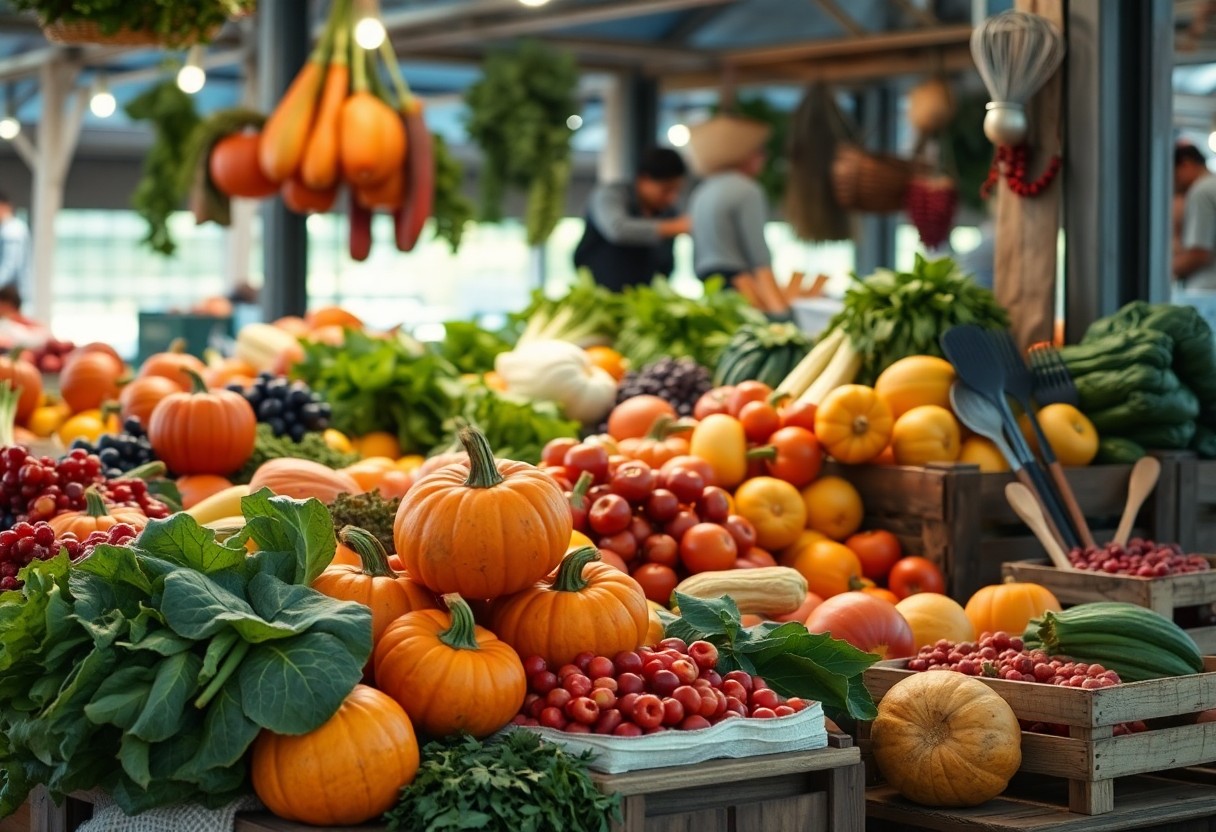
As you explore the world of cooking, you’ll discover that using seasonal ingredients can elevate your dishes to the next level. You’ll find that your meals are more flavorful and nutritious when made with fresh, locally sourced produce. By incorporating seasonal ingredients into your cooking routine, you’ll not only support local farmers but also reduce your environmental impact. In this post, you’ll learn how to make the most of your local market’s offerings and create delicious meals that showcase the best of each season.

Springtime Delights

While exploring the world of seasonal cooking, you’ll discover the joys of springtime ingredients. As the weather warms up, your kitchen can come alive with vibrant flavors and colors.

Incorporating Fresh Herbs

Almost any dish can be elevated by the addition of fresh herbs, and you can use them to add depth and complexity to your springtime recipes. You can grow your own herbs or find them at your local farmer’s market.

Seasonal Fruits and Vegetables

Freshly available produce like asparagus, strawberries, and rhubarb can inspire your springtime cooking. You can use these ingredients to create delicious salads, desserts, and main courses that showcase the best of the season.

Springtime brings a wide variety of seasonal fruits and vegetables to your table, and you can experiment with new recipes and flavors. You can try pairing sweet strawberries with tangy rhubarb, or grilling asparagus to bring out its natural sweetness, and your dishes will be filled with the fresh flavors of the season.

Summer Harvest

Some of the freshest ingredients are available during the summer season, making it an exciting time to cook with seasonal ingredients. You can find a variety of colorful vegetables, juicy fruits, and fragrant herbs at your local market.

Grilling and Roasting

Taking advantage of the summer weather, you can try grilling and roasting your favorite ingredients to bring out their natural flavors. You will find that your dishes are elevated with the smoky flavor of grilled meats and the caramelized taste of roasted vegetables.

Chilled Soups and Salads

After a long day, you can cool down with a refreshing chilled soup or salad made with summer’s bounty. You can puree your favorite vegetables and herbs to create a soothing soup, or combine them with mixed greens for a healthy salad.

Indeed, chilled soups and salads are perfect for hot summer days, and you can get creative with your ingredients. You can add a splash of citrus, a dollop of yogurt, or a sprinkle of fresh herbs to give your dish a burst of flavor, making your summer meals a delightful experience.

Autumn Abundance

Once again, the seasons change, and your kitchen is filled with the flavors of autumn. You’ll find an array of vibrant ingredients, from juicy apples to plump squash, perfect for creating hearty and comforting dishes.

Hearty Stews and Braises

Besides the comforting warmth, stews and braises offer a great way to cook with seasonal ingredients. You can combine your favorite autumnal produce, such as carrots and parsnips, with tender meat for a satisfying meal.

Roasted Root Vegetables

Rooted in tradition, roasted root vegetables are a staple of autumn cooking. You can toss your favorite roots, like beets and sweet potatoes, in olive oil and seasonings, then roast to perfection.

For instance, you can experiment with different seasoning blends, such as cumin and coriander, to add depth to your roasted root vegetables. You’ll discover that the natural sweetness of the roots pairs beautifully with the warmth of autumn spices, creating a truly delicious and satisfying side dish that complements your favorite meals.

Winter Warmth

Unlike other seasons, winter offers a unique opportunity to cook hearty, comforting dishes. You can find plenty of inspiration for seasonal recipes at Seasonal recipe ideas to warm your kitchen and your belly.

Comforting Casseroles

Casseroles are a staple of winter cooking, and you can create delicious, satisfying meals by layering your favorite ingredients in a dish. You’ll love the rich flavors and aromas that fill your kitchen as your casserole bakes to perfection.

Soups and Stews for Cold Nights

On chilly evenings, a warm bowl of soup or stew is just what you need to feel cozy. You can choose from a variety of ingredients, such as beans, vegetables, and lean proteins, to create nourishing meals that will become your winter favorites.

Due to the cold weather, you’ll appreciate the convenience of slow-cooked soups and stews that simmer on your stovetop or in your slow cooker, filling your home with inviting aromas and providing you with a comforting, warming meal after a long day.

Preserving the Seasons

After you’ve enjoyed the freshest flavors of the season, consider preserving some ingredients for later use. This way, you can savor your favorite flavors year-round and make the most of your seasonal ingredients.

Canning and Freezing

Beneath the surface of preserving lies a world of possibilities, including canning and freezing, which allow you to store your seasonal ingredients for extended periods, keeping their flavors and nutrients intact, and enabling you to incorporate them into your cooking throughout the year.

Pickling and Dehydrating

For achieving long-term preservation, pickling and dehydrating are excellent methods, as they not only preserve your ingredients but also add new dimensions to their flavors and textures, giving you a wide range of creative options for your dishes.

Consequently, as you explore pickling and dehydrating, you’ll find that these methods can elevate your cooking, allowing you to experiment with novel flavors and ingredients, and to add unique twists to your favorite recipes, making your culinary creations even more engaging and delicious.

Meal Planning and Budgeting

For effective cooking with seasonal ingredients, you need to plan your meals and budget accordingly. This involves researching recipes, creating a shopping list, and allocating a specific budget for your ingredients. By doing so, you can ensure that you stay within your means while still enjoying delicious and healthy meals made with fresh, seasonal produce.

Shopping at Farmer’s Markets

Along with visiting local grocery stores, you can also explore farmer’s markets to find the best seasonal ingredients. These markets often offer a wide variety of fresh produce, meats, and dairy products, allowing you to choose the freshest ingredients for your meals. You can interact with the farmers, learn about their produce, and get tips on how to use them in your cooking.

Reducing Food Waste

Between planning your meals and shopping for ingredients, you can take steps to reduce food waste in your kitchen. You can use up leftover ingredients in creative ways, such as turning last night’s dinner into tomorrow’s lunch. This not only saves you money but also helps reduce your environmental impact.

Shopping smartly is key to reducing food waste. You can start by planning your meals for the week, making a list of the ingredients you need, and sticking to it when you’re at the store. You can also shop your fridge and pantry first to use up ingredients that are already on hand, and consider buying “ugly” or imperfect produce, which is often cheaper and just as nutritious as its perfect counterparts. By taking these steps, you can help reduce food waste and make the most of your seasonal ingredients.

Summing up

Considering all points, you now have a solid foundation for cooking with seasonal ingredients. You can elevate your dishes by incorporating fresh, locally sourced produce into your recipes. By doing so, you will not only enjoy better flavors, but also support your local community and reduce your environmental impact. Your cooking will become more vibrant and dynamic, as you experiment with the unique flavors of each season.

How to Host a Wine Tasting Party at Home

As you commence on the endeavor of hosting a wine tasting party, you’ll find that the art of sophistication is within your grasp. You’ll have the opportunity to indulge your senses and those of your guests in a world of refined elegance. To create an unforgettable experience, you can start by exploring expert advice on How to Plan a Wine Tasting Party at Home, and then, with poise and confidence, you’ll be well on your way to crafting an evening that will leave a lasting impression on your guests.

Planning the Party

Before you commence on hosting a wine tasting party, consider the details that will make your evening unforgettable. You’ll want to set a date, decide on a theme, and choose a selection of wines to feature.

Setting the Scene

With elegance and sophistication in mind, you’ll create an ambiance that transports your guests to a world of refined luxury. You’ll select a color scheme, decorations, and music that complement the wine tasting experience.

Creating a Guest List

Beneath the surface of a successful party lies a well-curated guest list, and you’ll want to thoughtfully consider who to invite. You’ll think about friends, acquaintances, and colleagues who appreciate fine wine and good company.

Planning your guest list is an integral part of the process, as you’ll want to ensure that your invitees will appreciate the nuances of the wine tasting experience. You’ll consider their tastes, interests, and preferences, and invite those who will enhance the evening with their presence and conversation, making your party a truly memorable occasion.

Selecting the Wines

One of the most enjoyable aspects of hosting a wine tasting party is selecting the wines. You will want to choose a variety of wines that will impress your guests and provide a memorable experience. Consider your budget and the number of guests you will be hosting as you make your selections.

Choosing a Theme

Against the backdrop of a beautifully set table, a themed wine tasting can be a delightful experience. You can choose a theme based on a specific region, such as Bordeaux or Tuscany, or a particular type of wine, such as Pinot Noir or Chardonnay.

Wine and Food Pairing

By carefully considering the flavors and textures of the wines and foods, you can create a truly exceptional experience for your guests. You will want to pair rich, full-bodied wines with hearty dishes and lighter wines with more delicate flavors.

Due to the complexity of wine and food pairing, it’s a good idea to plan your menu carefully, considering the characteristics of each wine and how they will complement the flavors of the dishes you will be serving. You can also consider consulting with a wine expert or doing some online research to help you make the best choices for your wine tasting party.

Preparing the Venue

All the elements of your wine tasting party will come together in your home, so choose a space that is elegant and refined. You will want your guests to feel sophisticated and at ease as they sample the various wines.

Decorating the Space

Forget the ordinary, and opt for a decor that exudes luxury and charm. You can use candles, flowers, and fine linens to create an atmosphere that is both intimate and refined, perfect for a wine tasting party.

Setting the Mood

Surrounding yourself with soft music and dim lighting will help to create a warm and inviting ambiance, setting the tone for a memorable evening. You can also consider using aromatherapy to further enhance the experience.

It is also a good idea to consider the color scheme and overall aesthetic you want to achieve, as this will help to create a cohesive and immersive experience for your guests. You can choose a theme, such as a specific region or vineyard, to help guide your decorating decisions and create a unique and engaging atmosphere for your wine tasting party.

Serving and Pouring

For a sophisticated wine tasting experience, you’ll want to consider the art of serving and pouring. You’ll need to invest in a few imperative tools, such as a wine key and a pouring spout, to ensure a seamless and elegant experience for your guests.

Wine Service Etiquette

Before you begin pouring, take a moment to familiarize yourself with the proper etiquette for serving wine. You’ll want to hold the bottle correctly, with the label facing your guests, and pour with a smooth, gentle motion.

Managing the Tasting

With your wine selection in hand, you’re ready to start the tasting. You’ll want to encourage your guests to take their time, savoring each sip and noting the unique characteristics of each wine.

Etiquette dictates that you, as the host, should guide the tasting, providing your guests with insight into the origins and nuances of each wine. As you pour each selection, take a moment to share a bit about its history, flavor profile, and recommended pairings, allowing your guests to fully appreciate the complexity and depth of each varietal, and making your wine tasting party a truly unforgettable experience for you and your guests.

Food and Accompaniments

Unlike other gatherings, a wine tasting party demands a thoughtful approach to food pairings. You’ll want to select accompaniments that complement the complex flavors of your wine selection, elevating your guests’ experience.

Appetizers and Hors d’oeuvres

About the art of pairing small bites with wine, you’ll find that delicate flavors work best, allowing your guests to fully appreciate the nuances of each varietal.

Cheese and Charcuterie

Accompaniments like artisanal cheeses and cured meats will add a touch of sophistication to your gathering, as you carefully curate a selection that will delight your guests’ palates.

Further, when it comes to cheese and charcuterie, you’ll want to consider a variety of textures and flavors to pair with your wine, from creamy brie to salty prosciutto, ensuring a truly indulgent experience for your guests.

Execution and Enjoyment

Once again, the moment of truth arrives, and your carefully planned wine tasting party is underway, unfolding with the elegance and sophistication you envisioned, as you guide your guests through the nuances of each wine, savoring the atmosphere and delighting in their company.

Timing and Pacing

Any hesitation in the timing can disrupt the harmony of the evening, so you’ll want to ensure that each wine is poured and presented at a leisurely pace, allowing your guests to fully appreciate the aromas, flavors, and textures of each selection.

Encouraging Conversation

Any successful wine tasting party hinges on the ability to foster lively and engaging conversation, and you can facilitate this by preparing thought-provoking questions and topics related to the wines, such as their origins, production methods, and pairing possibilities, to stimulate discussion and debate among your guests.

And as the evening progresses, you’ll find that the conversation flows as smoothly as the wine, with your guests sharing their impressions, preferences, and insights, creating a warm and convivial atmosphere that is at the very heart of a memorable wine tasting experience, one that you and your guests will cherish long after the last drop has been savored, and the final toast has been made, leaving you all eagerly anticipating your next gathering, and the opportunity to once again, indulge in the pleasures of fine wine and good company.

Final Words

Hence, as you bring your wine tasting party to a close, you’ll have created an evening of refinement and joy, surrounded by friends and fine wine. Your thoughtful preparation and attention to detail will have paid off, and your guests will depart with fond memories of your elegant soiree. You’ve mastered the art of hosting a wine tasting party at home, and your reputation as a gracious host will surely precede you.

Skip to content