How do berries, like blueberries and strawberries, help slow down aging

Berries, such as blueberries and strawberries, are not only delicious additions to your diet but also powerful allies in the fight against aging. Incorporating these vibrant fruits into your meals can provide a wide range of benefits that can help you maintain a youthful appearance and feel your best. Let’s explore the incredible ways in which these berries work their magic on your body to slow down the inevitable process of aging.

Key Takeaways:

  • Antioxidant-rich: Berries like blueberries and strawberries are high in antioxidants, which help to combat oxidative stress and reduce cell damage that leads to aging.
  • Inflammation reduction: These berries contain anti-inflammatory compounds that help to reduce inflammation in the body, which is linked to aging and various age-related diseases.
  • Collagen production: Berries are rich in vitamin C, which is vital for collagen production. Collagen is a protein that helps maintain skin elasticity and firmness, thus slowing down the aging process.

The Science Behind Berry-Powered Anti-Aging

Before delving into how berries like blueberries and strawberries can help slow down aging, it’s crucial to understand the science behind their anti-aging properties.

The Role of Antioxidants in Combating Oxidative Stress

An imperative aspect of berries’ anti-aging effects lies in their high antioxidant content. Antioxidants are compounds that protect your cells from damage caused by free radicals, unstable molecules that can harm cellular structures and accelerate aging. Berries are rich in various antioxidants, such as vitamin C, flavonoids, and polyphenols, which help combat oxidative stress in your body. By neutralizing free radicals, antioxidants from berries can help reduce inflammation, protect against chronic diseases, and ultimately support healthy aging.

Berries’ High ORAC Scores: A Measure of Antioxidant Power

Oxidative stress is a major contributor to aging, but berries’ high ORAC (Oxygen Radical Absorbance Capacity) scores showcase their exceptional antioxidant power. ORAC is a measurement of how well antioxidants can neutralize free radicals. Berries consistently rank high on the ORAC scale, indicating their ability to combat oxidative damage effectively. This means that including a variety of berries in your diet can provide you with a potent arsenal of antioxidants to help slow down the aging process and support overall well-being.

Understanding the antioxidant properties of berries, especially their high ORAC scores, can give you a powerful tool in your anti-aging arsenal. By regularly incorporating blueberries, strawberries, and other antioxidant-rich berries into your diet, you can nourish your body with imperative compounds that fight oxidative stress, promote cellular health, and help you age gracefully.

Berries’ Impact on Cellular Aging

While berries are well-known for their delicious taste and vibrant colors, they also offer incredible health benefits, especially when it comes to slowing down the aging process. According to Anti-Aging Benefits of Berries, these small fruits are packed with antioxidants and phytochemicals that can help combat the effects of aging on a cellular level.

Telomere Shortening and the Aging Process

Aging is a natural process that affects all cells in your body, including those in your skin, organs, and muscles. One of the key factors in cellular aging is the shortening of telomeres, which are protective caps at the end of your chromosomes that shorten each time your cells divide. As telomeres shorten, cells age and eventually die, contributing to the overall aging of your body.

Berries’ Ability to Protect Telomeres

On top of their antioxidant properties, berries have been shown to have a unique ability to protect telomeres from shortening. By reducing oxidative stress and inflammation in the body, the powerful compounds found in berries can help maintain the length of telomeres, thus slowing down the aging process at a cellular level. Including a variety of berries, such as blueberries, strawberries, and raspberries, in your diet can provide you with the necessary nutrients to support telomere health and promote longevity.

Inflammation and Aging: How Berries Can Help

All forms of berries, from blueberries to strawberries, contain powerful antioxidants and anti-inflammatory compounds that can help combat the effects of aging on your body. One key way these berries can be beneficial is by targeting and mitigating the inflammatory response in your body.

The Inflammatory Response and Its Consequences

Any time your body experiences stress or injury, it triggers an inflammatory response. While inflammation is a natural part of your body’s defense system, chronic inflammation can have detrimental effects on your cells and tissues over time. It can contribute to the aging process, leading to issues such as wrinkles, joint pain, and a weakened immune system.

Berries’ Anti-Inflammatory Properties

Aging is a natural process, but you can take steps to slow it down and improve your overall health. Berries are rich in anti-inflammatory compounds such as flavonoids, which can help reduce inflammation in your body. By including a variety of berries in your diet, you can provide your body with the necessary nutrients to combat inflammation and protect against age-related damage.

Another benefit of berries is their ability to help regulate the production of certain inflammatory markers in your body. By reducing the levels of these markers, berries can help decrease chronic inflammation and potentially slow down the aging process. Adding a handful of berries to your daily meals or snacks can be a delicious way to support your body’s fight against inflammation and aging.

Berries and Mitochondrial Function

The Importance of Mitochondrial Health

Function: Mitochondria are often referred to as the powerhouses of your cells, playing a crucial role in energy production. As you age, the function of these mitochondria can decline, leading to decreased energy levels and increased oxidative stress. This decline in mitochondrial health is associated with aging-related diseases like neurodegenerative diseases and cardiovascular issues.

By maintaining the health of your mitochondria, you can potentially slow down the aging process and reduce the risk of age-related diseases. One way to support mitochondrial health is through the consumption of antioxidant-rich foods like blueberries and strawberries.

Berries’ Role in Boosting Mitochondrial Function

Mitochondrial: Not all fruits are created equal when it comes to supporting mitochondrial function, but berries, particularly blueberries and strawberries, stand out for their beneficial effects. These berries are packed with antioxidants, including flavonoids and polyphenols, that help protect the mitochondria from oxidative damage and inflammation.

It has been suggested that the high antioxidant content in berries may help improve mitochondrial function by enhancing cellular energy production and reducing oxidative stress. Including a variety of berries in your diet can be a delicious way to support your mitochondrial health and overall well-being.

The Gut-Brain Axis and Berry Consumption

After reading about the importance of incorporating a variety of fruits in your diet to slow down aging, you may wonder how berries like blueberries and strawberries can specifically contribute to this goal. According to 6 Fruits That Reduce Inflammation and Slow Aging, berries play a significant role in reducing inflammation in the body, which is key to slowing down the aging process.

The Gut-Brain Connection and Its Impact on Aging

Consumption of berries, such as blueberries and strawberries, can positively impact the gut-brain connection, which is crucial for overall health and aging. The gut-brain axis is a communication network that connects your gut microbiota to the brain, influencing various processes in the body, including immune function, inflammation, and even mood regulation. By consuming berries rich in antioxidants and phytochemicals, you can support a healthy gut microbiota, which in turn can have positive effects on aging.

Berries’ Prebiotic Properties and Gut Health

Axis

Pertaining to berries’ prebiotic properties and gut health, it’s vital to understand that these fruits contain dietary fibers that serve as food for the beneficial bacteria in your gut. This means that consuming berries regularly can help promote the growth of good bacteria in your digestive system, leading to improved gut health overall. A healthy gut microbiota has been linked to various health benefits, including better digestion, enhanced immune function, and reduced inflammation in the body. By including berries in your diet, you are not only satisfying your taste buds but also nourishing your gut microbiota to support healthy aging.

Health

Incorporating berries like blueberries and strawberries into your daily diet can contribute to a healthier gut microbiota, which plays a vital role in aging gracefully. By supporting a balanced gut-brain axis through the consumption of these antioxidant-rich fruits, you can help reduce inflammation, improve immune function, and enhance overall well-being. So next time you reach for a snack, consider adding some delicious berries to your plate to support your gut health and slow down the aging process.
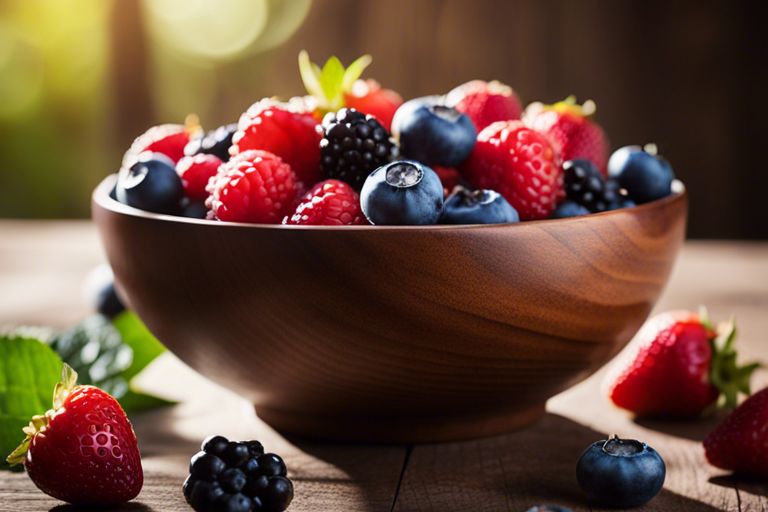
Berries’ Effects on Skin Health and Appearance

Your skin is often the first place where the signs of aging become noticeable. Factors like sun exposure, pollution, and lifestyle choices can accelerate the aging process, leading to wrinkles and age spots. However, incorporating berries like blueberries and strawberries into your diet can help combat these effects and promote healthier, more youthful-looking skin.

The Visible Signs of Aging: Wrinkles and Age Spots

Signs of aging, such as wrinkles and age spots, can be distressing for many people. These visible changes in your skin are often caused by the breakdown of collagen and elastin, which are crucial proteins that keep your skin firm and elastic. Berries are rich in antioxidants like vitamin C and anthocyanins, which help protect your skin from oxidative stress and UV damage that contribute to premature aging. By reducing inflammation and promoting collagen production, berries can help diminish the appearance of fine lines and age spots, giving you a smoother and more even complexion.

Berries’ Antioxidant and Anti-Inflammatory Effects on Skin

Health benefits of berries extend beyond just their delicious taste. Berries are packed with antioxidants that help neutralize free radicals in your body, preventing cellular damage and reducing inflammation. Inflammation is a common underlying factor in skin conditions like acne, eczema, and psoriasis. By incorporating berries into your diet, you can help calm inflammation in your skin, leading to a clearer and healthier complexion overall.

These antioxidant-rich fruits also support your skin’s natural ability to repair and rejuvenate itself. By fighting oxidative stress and inflammation, berries can help maintain your skin’s youthful appearance and protect it from environmental aggressors that contribute to premature aging. Including a variety of berries in your daily meals or snacks can be a simple yet effective way to nourish your skin from the inside out.

Conclusion

The next time you indulge in some delicious blueberries or strawberries, remember that you are not just satisfying your taste buds, but also providing your body with a powerful dose of antioxidants that can help slow down the aging process. These berries are packed with vitamins, minerals, and phytochemicals that work together to combat oxidative stress and inflammation in your body, ultimately promoting healthier aging and overall well-being. So go ahead and enjoy those juicy berries guilt-free, knowing that they are working hard to keep you looking and feeling your best!

Q: How do berries like blueberries and strawberries help slow down aging?

A: Berries contain antioxidants such as anthocyanins and vitamin C, which help fight free radicals known to cause cellular damage and aging.

Q: Can eating berries improve skin health and prevent wrinkles?

A: Yes, the antioxidants in berries help protect the skin from the sun’s harmful UV rays and promote collagen production, leading to improved skin elasticity and reduced wrinkles.

Q: Are there other health benefits to eating berries besides slowing down aging?

A: Berries are also rich in fiber, vitamins, and minerals, which contribute to overall health by supporting digestion, boosting the immune system, and reducing inflammation in the body.

What are some examples of anti-aging superfoods

There’s no fountain of youth, but incorporating certain anti-aging superfoods into your diet can help you nourish your body from the inside out. By adding nutrient-rich foods packed with antioxidants, vitamins, and minerals, you can help slow down the aging process and maintain a youthful glow. Here are some examples of superfoods that can help you in your quest for healthy aging.

Key Takeaways:

  • 1. Berries: Berries like blueberries, strawberries, and raspberries are rich in antioxidants that help fight free radicals and reduce skin damage caused by sun exposure and pollution.
  • 2. Nuts: Nuts such as almonds and walnuts are good sources of healthy fats, vitamins, and minerals that promote skin elasticity and hydration, helping to reduce the appearance of wrinkles.
  • 3. Green Tea: Green tea contains catechins, which are powerful antioxidants that help protect the skin from UV damage and improve skin texture, making it a great anti-aging superfood.

The Science Behind Anti-Aging Superfoods

The Role of Antioxidants

AntiAging superfoods are rich in antioxidants, which play a crucial role in fighting the signs of aging. Antioxidants help neutralize free radicals in your body, which can damage your cells and contribute to aging. By including antioxidant-rich foods in your diet, you can help protect your skin from wrinkles and maintain a youthful appearance. According to 9 Superfoods to Keep Your Skin Smooth and Wrinkle-Free, foods like berries, nuts, and leafy greens are packed with antioxidants that can benefit your skin.

Inflammation and Oxidative Stress

Any comprehensive anti-aging strategy should address inflammation and oxidative stress in the body. Chronic inflammation and high levels of oxidative stress can accelerate the aging process and lead to various health issues. Including anti-inflammatory superfoods in your diet, such as fatty fish, turmeric, and green tea, can help reduce inflammation and oxidative stress, keeping your skin looking youthful and radiant.

Plus, reducing inflammation and oxidative stress can also have positive effects on your overall health, helping to prevent chronic diseases associated with aging. By incorporating anti-aging superfoods rich in anti-inflammatory and antioxidant properties into your daily meals, you can support your body in staying healthy and youthful for years to come.

Leafy Greens and Cruciferous Vegetables

Some of the best anti-aging superfoods you can incorporate into your diet are leafy greens and cruciferous vegetables. These nutrient-dense plant foods are not only low in calories but also high in vitamins, minerals, and antioxidants that can help combat the signs of aging.

Spinach and Kale: Packed with Antioxidants

For a youthful glow, you should include spinach and kale in your meals regularly. These leafy greens are rich in antioxidants like vitamin C, beta-carotene, and lutein, which can help protect your skin from damage caused by free radicals and UV radiation. Moreover, they are excellent sources of vitamin K, which supports bone health as you age.

Broccoli and Cauliflower: Rich in Vitamins and Minerals

Antioxidants are important for fighting off age-related damage, and broccoli and cauliflower are packed with them. These cruciferous vegetables contain vitamins A, C, and E, along with minerals like calcium and potassium. By adding broccoli and cauliflower to your meals, you can boost your immune system, improve your digestion, and maintain healthy bones and skin.

As far as anti-aging superfoods, broccoli and cauliflower are your go-to options for a nutrient-packed and delicious addition to your diet.

The Power of Sulforaphane

Vegetables like broccoli and cauliflower contain a powerful compound called sulforaphane, which has been linked to various health benefits, including anti-inflammatory and anti-cancer effects. Sulforaphane can help protect your cells from damage, reduce inflammation in your body, and promote detoxification processes. By including cruciferous vegetables in your meals, you can harness the power of sulforaphane to support your overall health and longevity.

For instance, consuming broccoli sprouts, which are young broccoli plants rich in sulforaphane, can be a potent way to boost your body’s defenses against aging and disease.

Berries and Other Fruits

Your journey to incorporating anti-aging superfoods into your diet wouldn’t be complete without including a variety of berries and other fruits. These colorful fruits are not only delicious but also packed with crucial nutrients that can help slow down the aging process and keep you looking and feeling youthful. To explore more options and benefits, you can also check out the Top 9 Anti-Aging Superfoods.

Blueberries: Brain Health and Memory Boost

For a cognitive boost, blueberries are your go-to fruit. These tiny berries are rich in antioxidants that have been linked to improvements in brain function, memory, and overall cognitive performance. By incorporating blueberries into your diet, you can help protect your brain from oxidative stress and support long-term brain health. Whether you add them to your morning smoothie or sprinkle them on top of your oatmeal, these powerful berries can make a significant impact on your overall well-being.

Raspberries and Strawberries: High in Vitamin C and Fiber

Berries like raspberries and strawberries are known for their high vitamin C content, which plays a crucial role in collagen production and skin health. Additionally, these fruits are packed with fiber, which can help support digestion and keep you feeling full and satisfied. By including raspberries and strawberries in your daily meals or snacks, you can boost your antioxidant intake, promote healthy skin, and support your digestive system.

Fiber: Fiber is crucial for maintaining a healthy digestive system and can help regulate blood sugar levels, promote heart health, and support weight management. Raspberries and strawberries are excellent sources of fiber, making them a great addition to your anti-aging diet.

Pomegranates: Antioxidant-Rich and Anti-Inflammatory

Pomegranates are another powerful anti-aging fruit that is packed with antioxidants and anti-inflammatory properties. These juicy seeds are rich in polyphenols, which can help protect your cells from damage caused by free radicals and reduce inflammation in the body. By including pomegranates in your diet, you can boost your immune system, support heart health, and fight the signs of aging from within.

Pomegranates: In addition to their antioxidant and anti-inflammatory properties, pomegranates are also a good source of vitamins C and K, as well as folate and potassium. These nutrients play a vital role in overall health and can contribute to your anti-aging efforts.

Nuts and Seeds

Keep discovering the power of anti-aging superfoods by trying out a variety of nuts and seeds. These nutrient-dense foods are packed with important vitamins, minerals, and antioxidants that can help slow down the aging process and keep you looking and feeling youthful. For a comprehensive list of superfoods to incorporate into your diet, check out Try These Fifteen Anti-Aging Superfoods.

Walnuts: Rich in Omega-3 Fatty Acids

An excellent choice for anti-aging, walnuts are rich in omega-3 fatty acids, which are important for maintaining healthy brain function and reducing inflammation in the body. These healthy fats also help improve skin elasticity and hydration, keeping your skin looking supple and youthful. Walnuts are a convenient snack on their own, or you can sprinkle them on top of salads or oatmeal for an added crunch and nutty flavor.

Chia Seeds: High in Fiber and Antioxidants

To boost your anti-aging efforts, consider adding chia seeds to your daily meals. These tiny seeds are packed with fiber, which aids digestion and helps you feel full longer, preventing overeating and weight gain. In addition to their high fiber content, chia seeds are also loaded with antioxidants that combat free radicals and reduce oxidative stress in the body. You can easily incorporate chia seeds into your diet by adding them to smoothies, yogurt, or oatmeal for a nutritious and filling boost.

High in important nutrients and antioxidants, chia seeds can help protect your cells from damage, reduce inflammation, and improve skin health. Incorporating chia seeds into your diet can also aid in weight management and support overall well-being. Try incorporating these versatile super seeds into your meals to reap their many anti-aging benefits.

Turmeric and Ginger: Anti-Inflammatory Properties

To further combat the aging process, consider including turmeric and ginger in your diet. These potent spices are known for their anti-inflammatory properties, which can help reduce inflammation in the body and lower the risk of chronic diseases associated with aging. Turmeric, in particular, contains curcumin, a powerful compound with antioxidant and anti-inflammatory effects that can help protect your cells from damage and support overall health. Adding turmeric and ginger to your cooking or enjoying them in teas and smoothies can be an excellent way to incorporate these anti-aging superfoods into your daily routine.

Omega-3 fatty acids, such as those found in walnuts, are important for maintaining healthy brain function and reducing inflammation in the body. These healthy fats have been linked to improved cognitive function, reduced risk of age-related diseases, and healthier skin. By incorporating omega-3-rich foods like walnuts into your diet, you can benefit from their anti-aging properties and support your overall well-being.

Fatty Fish and Seafood

Now, let’s examine the world of fatty fish and seafood, which are packed full of nutrients that can help you maintain a youthful appearance as you age.

Salmon: Rich in Omega-3 Fatty Acids

Fatty fish like salmon are excellent sources of omega-3 fatty acids, which are imperative for your overall health and well-being. These fatty acids play a crucial role in keeping your skin hydrated and supple, reducing inflammation, and protecting against sun damage. By including salmon in your diet regularly, you can help improve the elasticity of your skin and maintain a youthful glow.

Sardines and Anchovies: Small but Mighty

Acids

Regarding anti-aging superfoods, don’t underestimate the power of sardines and anchovies. Despite their small size, these tiny fish pack a mighty punch when it comes to nutritional value. Sardines and anchovies are rich in omega-3 fatty acids, protein, and minerals like calcium and selenium. Including these small but mighty fish in your diet can help improve your skin’s texture, reduce inflammation, and promote collagen production for younger-looking skin.

Mighty

Additionally, sardines and anchovies are low in mercury compared to larger fish species, making them a safer choice for regular consumption. You can easily incorporate these small fish into your meals by adding them to salads, pasta dishes, or enjoying them on whole grain crackers as a snack.

Shellfish: Zinc-Rich and Anti-Inflammatory

One

Shellfish like shrimp, crab, and lobster are not only delicious additions to your diet but also rich in nutrients that can support your anti-aging efforts. These seafood options are packed with zinc, which plays a crucial role in collagen production and helps maintain the integrity of your skin. Additionally, shellfish contain anti-inflammatory properties that can help reduce redness and irritation, leaving your skin looking more even-toned and youthful.

Small

By including a variety of shellfish in your diet, you can benefit from their zinc content and anti-inflammatory properties to support your skin’s health from the inside out. Whether grilled, steamed, or sautéed, adding shellfish to your meals can be a tasty way to boost your intake of nutrients that promote youthful skin.

Herbs and Spices

Unlike synthetic supplements, herbs and spices can be potent tools in your anti-aging arsenal. They not only enhance the flavor of your dishes but also provide a range of health benefits. Incorporating certain herbs and spices into your diet can help combat inflammation, support digestion, and provide antioxidants that fight free radicals.

Turmeric: The Golden Spice of Life

To start with, turmeric is a powerful herb that contains curcumin, known for its anti-inflammatory properties. Curcumin can help reduce inflammation in your body, which is often a key factor in the aging process. By including turmeric in your meals, you can potentially lower your risk of chronic diseases and keep your cells healthy and vibrant.

Ginger: Anti-Inflammatory and Digestive Aid

Anti-inflammatory and soothing to the digestive system, ginger is a versatile spice that can benefit you as you age. It helps calm inflammation in the body, which can contribute to better skin health and reduce the risk of age-related diseases. Additionally, ginger aids in digestion, promoting gut health and ensuring that your body can absorb imperative nutrients effectively.

Spice up your meals with ginger to not only add flavor but also harness its anti-aging properties for a healthier, more vibrant you.

Cinnamon: Blood Sugar Regulation and Antioxidant Properties

Digestive and full of antioxidants, cinnamon is a spice that can support your anti-aging efforts. It helps regulate blood sugar levels, which is crucial in maintaining your energy levels and preventing sugar crashes that can accelerate the aging process. Additionally, cinnamon is rich in antioxidants that combat oxidative stress and protect your cells from damage caused by free radicals.

Include cinnamon in your diet to not only add a warm and comforting flavor to your dishes but also to support your overall health and well-being as you age.

Conclusion

Drawing together, incorporating anti-aging superfoods into your diet can have a significant impact on your overall health and well-being. By nourishing your body with nutrient-dense foods like berries, green tea, and fatty fish, you are providing your cells with the crucial building blocks needed to combat the effects of aging and oxidative stress.

Keep in mind, it is crucial to maintain a balanced and varied diet that includes a wide range of anti-aging superfoods to reap the most benefits. By making small changes to your daily food choices, you can support your body in the fight against premature aging and promote a radiant and youthful appearance from the inside out.

Q: What are some examples of anti-aging superfoods?

A: Some examples of anti-aging superfoods include:

  • Blueberries: Packed with antioxidants that help fight free radicals and reduce aging effects.
  • Avocados: Rich in healthy fats and vitamins that nourish the skin and prevent signs of aging.
  • Broccoli: Contains vitamins C and E, as well as antioxidants that promote collagen production for youthful skin.

Q: How do anti-aging superfoods benefit the body?

A: Anti-aging superfoods provide vital nutrients, vitamins, and antioxidants that help protect cells from damage, improve skin elasticity, promote collagen production, and reduce inflammation. These benefits can lead to a more youthful appearance and overall health.

Q: How can I incorporate anti-aging superfoods into my diet?

A: You can incorporate anti-aging superfoods into your diet by adding them to smoothies, salads, snacks, or main dishes. Try incorporating blueberries into your oatmeal, adding avocado to your sandwiches or salads, and including broccoli in stir-fries or as a side dish. Be creative and experiment with different recipes to enjoy the benefits of these superfoods.

How does green tea contribute to anti-aging

Antioxidants found in green tea play a crucial role in combating aging effects on your skin. By protecting against free radicals and reducing inflammation, green tea helps maintain the elasticity and firmness of your skin, ultimately contributing to a more youthful appearance. Additionally, studies have shown that green tea may protect against telomere shortening due to biological aging, which is a key factor in the aging process. To learn more about how green tea can benefit your skin, check out this research on Green tea may protect against telomere shortening due to biological aging.

Key Takeaways:

  • Antioxidants: Green tea is rich in antioxidants, such as polyphenols, that help protect the skin from free radical damage and reduce signs of aging.
  • Anti-inflammatory properties: The anti-inflammatory properties of green tea can help soothe irritated skin, reduce redness, and improve overall skin tone and texture.
  • Collagen production: Green tea has been shown to stimulate collagen production, which can help improve skin elasticity and firmness, reducing the appearance of wrinkles and fine lines.

The Science of Aging

Cellular Aging Process

For your body’s cells, aging is a natural process that occurs over time. As you grow older, your cells replicate and divide, eventually reaching a point where they can no longer function optimally. This cellular aging is influenced by various factors such as genetics, lifestyle choices, and environmental exposures. The gradual decline in cellular function plays a significant role in the overall aging process of your body.

Oxidative Stress and Free Radicals

On a cellular level, oxidative stress and free radicals are major contributors to the aging process. Science has shown that as you age, your body’s ability to neutralize free radicals diminishes, leading to an imbalance that causes oxidative stress. This oxidative stress can damage cells, proteins, and DNA, accelerating the aging process and increasing the risk of age-related diseases.

Radicals are unstable molecules that contain unpaired electrons, making them highly reactive. These free radicals can interact with and damage healthy cells in a process known as oxidative stress. One way to combat this is by incorporating antioxidants into your diet, such as those found in green tea, to help neutralize free radicals and reduce the impact of oxidative stress on your cells.

Green Tea: A Rich Source of Antioxidants

Clearly, green tea is a powerhouse of antioxidants that can play a significant role in combating the effects of aging on your skin and overall health. Antioxidants help neutralize free radicals in the body, which are unstable molecules that can damage cells and lead to signs of aging.

Catechins: The Powerhouse of Green Tea

On top of its antioxidant properties, green tea contains a group of polyphenols called catechins, which are known for their potent anti-aging effects. Catechins help protect the skin from sun damage, improve skin elasticity, and reduce inflammation, all of which are crucial for maintaining a youthful appearance.

EGCG: The Most Potent Catechin

EGCG (Epigallocatechin gallate) is the most abundant and potent catechin found in green tea. This particular antioxidant has been extensively studied for its anti-aging benefits, including its ability to protect against UV radiation, reduce collagen breakdown, and improve skin texture and appearance.

Another significant benefit of EGCG is its ability to stimulate the production of collagen, a protein that helps maintain skin firmness and elasticity. By incorporating green tea into your daily skincare routine, you can harness the power of EGCG to promote a more youthful complexion and slow down the aging process.

Anti-Aging Mechanisms of Green Tea

Inflammation Reduction

The consumption of green tea can help reduce inflammation in your body. This is particularly important for anti-aging, as chronic inflammation is associated with various age-related diseases such as arthritis, heart disease, and even wrinkles. The antioxidants in green tea, especially catechins, help to combat inflammation and protect your cells from damage caused by free radicals.

DNA Protection

Green tea provides DNA protection by shielding your cells from damage. This is crucial for anti-aging because DNA damage can lead to mutations and premature aging. The polyphenols in green tea have been shown to help maintain the integrity of your DNA and reduce the risk of age-related diseases.

Understanding the importance of DNA protection, you can see how incorporating green tea into your daily routine can help preserve the youthfulness of your cells and ultimately slow down the aging process.

Telomere Length Maintenance

Lengthening telomeres, the protective caps at the end of your chromosomes, is a key anti-aging strategy. Green tea has been found to support telomere length maintenance, which is crucial for preserving the integrity of your DNA and promoting longevity. By protecting your telomeres, green tea helps to prevent cellular aging and deterioration.

Mechanisms behind telomere length maintenance involve the antioxidant properties of green tea, which help to protect the telomeres from oxidative stress and damage. By ensuring the stability of your telomeres, green tea contributes to your overall anti-aging efforts.

Skin Health and Green Tea

After reading The Benefits of Green Tea for Aging Skin, you already know that green tea can do wonders for your skin. Let’s investigate deeper into how green tea contributes to skin health.

Hydration and Elasticity

Skin hydration is vital for maintaining elasticity and a youthful appearance. Green tea is packed with antioxidants that help hydrate your skin from within. It promotes the production of ceramides, which are vital for retaining moisture and improving skin elasticity. By incorporating green tea into your skincare routine, you can help your skin stay supple and radiant.

Wrinkle Reduction and Collagen Production

Skin aging often manifests in the form of wrinkles, fine lines, and sagging skin. Green tea contains natural compounds that can help reduce the appearance of wrinkles and stimulate collagen production. Collagen is crucial for maintaining skin firmness and elasticity, and green tea can assist in preserving and promoting collagen levels in your skin.

Reduction:

Green tea’s anti-inflammatory properties also play a significant role in reducing the breakdown of collagen and elastin, two proteins vital for maintaining skin structure and firmness. By incorporating green tea into your daily skincare regimen, you can help combat the signs of aging and keep your skin looking youthful and healthy.

Protection from UV Damage

Elasticity:

UV radiation is one of the primary causes of premature skin aging. Green tea contains powerful antioxidants that help protect your skin from UV damage. These antioxidants can neutralize free radicals generated by UV exposure, reducing oxidative stress on your skin. By incorporating green tea products into your skincare routine, you can provide an added layer of protection against the harmful effects of UV rays.

With regular use, green tea can help reduce the severity of sunburn and sun damage, keeping your skin looking youthful and radiant. By incorporating green tea into your skincare routine, you can enjoy the anti-aging benefits it offers while protecting your skin from environmental aggressors.

Green Tea and Age-Related Diseases

Not only is green tea known for its anti-aging properties, but it also plays a significant role in preventing age-related diseases. Research has shown that the antioxidants and compounds found in green tea can help protect your body from various illnesses that become more prevalent as you age.

Cancer Prevention

Age-related diseases like cancer can be a major concern as you grow older. The polyphenols in green tea, particularly catechins, have been studied for their potential in preventing cancer. These compounds may help reduce the growth of cancer cells and even induce cell death in certain types of cancer, making green tea a powerful ally in your fight against this disease.

Cardiovascular Health

On the front of cardiovascular health, green tea has been recognized for its positive impact on reducing the risk of heart disease and stroke. The antioxidants in green tea, such as EGCG, may help improve blood flow, lower cholesterol levels, and reduce the formation of blood clots. By incorporating green tea into your daily routine, you are taking active steps to support your heart health and overall well-being.

Cardiovascular diseases are a leading cause of mortality worldwide, and adopting heart-healthy habits like consuming green tea can significantly lower your risk of developing these conditions as you age. Including green tea in your diet not only provides hydration but also offers protective benefits for your heart and blood vessels.

Neuroprotection and Cognitive Function

Cancer prevention and cardiovascular health are not the only benefits of green tea in combating age-related diseases. Green tea has also shown promise in supporting neuroprotection and preserving cognitive function. The catechins in green tea have been studied for their potential in reducing the risk of neurodegenerative diseases like Alzheimer’s and Parkinson’s.

This makes green tea a valuable addition to your daily routine, as it not only supports your physical health but also helps in maintaining your cognitive abilities as you age. By incorporating green tea into your lifestyle, you are investing in a healthier future for both your body and mind.

How to Maximize Green Tea’s Anti-Aging Effects

Brewing Techniques for Optimal Catechin Extraction

Effects Many factors can influence the extraction of catechins from green tea leaves, such as water temperature, brewing time, and tea-to-water ratio. To maximize the anti-aging benefits of green tea, you should brew your tea at a temperature of around 175°F to 185°F for about 3-4 minutes. This will help extract the highest amount of catechins, the antioxidants responsible for the anti-aging properties of green tea.

Combining Green Tea with Other Anti-Aging Strategies

Techniques Combining green tea consumption with other anti-aging strategies can help enhance its effects on your skin and overall well-being. You can complement your green tea routine by incorporating a healthy diet rich in fruits and vegetables, regular exercise, and a good skincare regimen. By combining these strategies, you can boost the anti-aging benefits of green tea and support a more youthful appearance.

Dosage and Frequency for Best Results

AntiAging When considering the dosage and frequency of green tea consumption for anti-aging benefits, it’s recommended to drink 2-3 cups of green tea per day. By spreading out your tea intake throughout the day, you can maintain a steady supply of antioxidants in your body, helping to combat the effects of aging and oxidative stress. Remember to brew your tea properly to ensure optimal catechin extraction and maximum benefits.

Conclusion

Now that you understand how green tea can contribute to anti-aging, you have a valuable tool in your hands to combat the signs of aging. By incorporating green tea into your daily routine, you can benefit from its powerful antioxidants that help fight off free radicals and reduce inflammation. This, in turn, can lead to smoother, firmer skin and a more youthful appearance.

Remember to pair your green tea consumption with a healthy lifestyle that includes a balanced diet, regular exercise, and proper skincare routine. Your commitment to taking care of your body from the inside out will not only help you look younger but also feel more energized and vibrant. Embrace the benefits of green tea and enjoy the anti-aging effects it can have on your overall well-being.

FAQ

Q: How does green tea help with anti-aging?

A: Green tea contains powerful antioxidants, such as catechins, which help protect the skin from damage caused by free radicals. These antioxidants can help reduce signs of aging, such as wrinkles and fine lines.

Q: Can green tea improve skin elasticity?

A: Yes, green tea has been shown to improve skin elasticity. The antioxidants in green tea can help prevent the breakdown of collagen and elastin, which are important for maintaining firm and elastic skin.

Q: How can green tea be included in an anti-aging skincare routine?

A: Green tea can be used topically on the skin as well as consumed orally for its anti-aging benefits. You can apply green tea extracts or products containing green tea directly to the skin, or drink green tea regularly to help protect the skin from aging.

What role does dark chocolate play in anti-aging

With Eating dark chocolate can actually reverse ageing process, you may be surprised to discover the potential benefits of this delicious treat on your skin’s youthfulness. Dark chocolate is packed with powerful antioxidants like flavonoids, which can help fight the signs of aging by reducing inflammation and protecting your skin from damage. By incorporating moderate amounts of dark chocolate into your diet, you can take a sweet approach to maintaining a more radiant and youthful appearance.

Eating dark chocolate can actually reverse ageing process

Key Takeaways:

  • Rich in antioxidants: Dark chocolate is high in antioxidants, such as flavonoids, which can help combat oxidative stress and prevent damage to cells.
  • Improves skin health: The flavonoids in dark chocolate can improve blood flow to the skin, hydrate the skin, and protect it against sun damage, ultimately supporting healthy aging of the skin.
  • Reduces inflammation: Consuming dark chocolate in moderation can help reduce inflammation in the body, which is linked to various signs of aging, such as wrinkles and tissue damage.

The Science Behind Dark Chocolate

Flavonoids: The Anti-Aging Powerhouse

For centuries, dark chocolate has been praised for its potential health benefits, particularly its high concentration of flavonoids. These organic compounds have been identified as powerful antioxidants that help combat oxidative stress and inflammation, both of which play a significant role in the aging process. By consuming dark chocolate rich in flavonoids, you can potentially protect your cells from damage and reduce the signs of aging.

Antioxidant Properties: Fighting Free Radicals

To further understand the anti-aging effects of dark chocolate, it’s crucial to probe into its antioxidant properties. Dark chocolate is packed with antioxidants, such as flavonoids, that help neutralize free radicals in the body. Free radicals are unstable molecules that can cause cellular damage and accelerate aging. By incorporating dark chocolate into your diet, you can help combat these harmful free radicals and promote healthier, more youthful-looking skin.

Antioxidants found in dark chocolate not only help protect your skin from environmental stressors but can also improve circulation, promote skin hydration, and enhance overall skin health. By including dark chocolate in your daily regimen, you can harness its antioxidant properties to maintain a youthful and radiant complexion. So go ahead, indulge in a piece of dark chocolate guilt-free, knowing that you’re nourishing your skin from the inside out.

Dark Chocolate’s Impact on Skin Health

Some studies have shown that dark chocolate can have positive effects on your skin health. From hydration and moisturizing effects to reducing fine lines and wrinkles, dark chocolate contains compounds that can benefit your skin in various ways.

Hydration and Moisturizing Effects

An vital component of dark chocolate, cocoa butter, is a great source of hydration for your skin. When applied topically, cocoa butter helps to form a protective barrier on the skin’s surface, locking in moisture and preventing dehydration. This can leave your skin feeling soft, supple, and well-nourished.

Reducing Fine Lines and Wrinkles

Reducing the appearance of fine lines and wrinkles is a common skincare goal for many people. Dark chocolate contains antioxidants, such as flavonoids, which can help fight the effects of aging on the skin. By neutralizing free radicals that can cause skin damage, these antioxidants may help improve the overall texture and appearance of your skin.

Chocolate’s antioxidant properties can help protect your skin from premature aging caused by environmental factors such as sun exposure and pollution. By incorporating dark chocolate into your skincare routine, you may be able to enjoy smoother, more youthful-looking skin.

The Cardiovascular Connection

Once again, dark chocolate proves its worth when it comes to your cardiovascular health. Its rich content of flavonoids, especially the type called flavanols, has been linked to various heart-protective benefits.

Lowering Blood Pressure and Cholesterol

One of the significant ways dark chocolate contributes to anti-aging is by helping to lower your blood pressure and improve cholesterol levels. The flavonoids present in dark chocolate have been shown to promote dilation of blood vessels, which in turn can lead to reduced blood pressure. Additionally, these compounds may also help lower levels of LDL cholesterol, often referred to as the “bad” cholesterol, in your blood.

Improving Blood Flow and Circulation

Blood flow and circulation are crucial for your overall health and well-being. Consuming dark chocolate can have a positive impact on these necessary functions. The flavonoids in dark chocolate can stimulate the production of nitric oxide in the lining of your arteries, leading to improved blood flow. This, in turn, can enhance circulation throughout your body, ensuring that oxygen and nutrients reach your cells more efficiently.

Furthermore, the enhanced blood flow from regularly consuming dark chocolate can also help protect against conditions such as atherosclerosis, a buildup of plaque in the arteries that can lead to heart attacks and strokes. By maintaining healthy blood flow and circulation, you are actively supporting your cardiovascular system and reducing the risk of age-related cardiovascular issues.

Dark Chocolate’s Neuroprotective Role

Now, let’s investigate into the neuroprotective role of dark chocolate. One significant benefit is its ability to boost cognitive function and memory. Dark chocolate contains flavonoids, powerful antioxidants that help improve blood flow to the brain, enhancing brain function. By increasing blood flow, dark chocolate can help you stay more focused, alert, and improve your memory retention.

Boosting Cognitive Function and Memory

On top of enhancing brain function, dark chocolate also helps in boosting your cognitive abilities. The flavonoids in dark chocolate can stimulate the growth of neurons and improve their functionality in the hippocampus, an area of the brain involved in memory and learning. Including dark chocolate in your diet may help you enhance your cognitive function and maintain better memory as you age.

Reducing Stress and Anxiety

The neuroprotective properties of dark chocolate extend to reducing stress and anxiety as well. The antioxidants in dark chocolate can help lower levels of the stress hormone cortisol in your body. By indulging in a small piece of dark chocolate during stressful times, you may find yourself feeling more relaxed and at ease. This can have a positive impact on your overall well-being and mental health.

The flavonoids in dark chocolate have been shown to have a calming effect on the body and mind, helping to reduce feelings of anxiety and promote a sense of relaxation. So, the next time you’re feeling overwhelmed or anxious, reach for a piece of dark chocolate to not only satisfy your sweet cravings but also to calm your nerves and uplift your mood.

The Role of Dark Chocolate in Inflammation Reduction

Combating Chronic Inflammation

Many studies have shown that dark chocolate can play a significant role in reducing chronic inflammation in the body. Dark chocolate contains flavonoids, which are a type of antioxidant. These flavonoids have anti-inflammatory properties that can help combat inflammation at the cellular level. By including dark chocolate in your diet, you can potentially reduce the risk of developing chronic inflammation-related diseases.

Reducing Oxidative Stress

Dark chocolate has been linked to reducing oxidative stress in the body as well. Oxidative stress occurs when there is an imbalance between antioxidants and free radicals in your body, leading to damage at the cellular level. The flavonoids in dark chocolate act as antioxidants, helping to neutralize free radicals and reduce oxidative stress. By incorporating dark chocolate into your anti-aging regimen, you can potentially slow down the aging process and promote overall health and wellness.

Inflammation is a natural response in the body to protect and heal itself from injury or infection. However, when inflammation becomes chronic, it can lead to various age-related diseases such as heart disease, diabetes, and even certain types of cancer. By consuming dark chocolate, you can help counteract chronic inflammation, potentially reducing the risk of developing these conditions and promoting longevity.

Oxidative stress is a major contributing factor to the aging process, as it can lead to cellular damage and dysfunction. By consuming dark chocolate with its powerful antioxidant properties, you can help reduce oxidative stress and protect your cells from damage. This, in turn, can help slow down the aging process and keep you looking and feeling youthful for longer.

How to Choose the Right Dark Chocolate for Anti-Aging

Despite Is chocolate good for your skin? Dermatologists say it can be, not all dark chocolates are created equal when it comes to anti-aging benefits. To make sure you are getting the most out of your dark chocolate for your skin and overall health, here are some tips on how to choose the right one:

Cocoa Content: The Higher the Better

The cocoa content in dark chocolate is a key factor to pay attention to when selecting your anti-aging treat. The higher the cocoa content, the better it is for you. Dark chocolates with at least 70% cocoa content are recommended as they contain more antioxidants like flavonoids, which can help fight inflammation and protect your skin from damage caused by free radicals.

Avoiding Added Sugars and Milk

On your journey to find the perfect dark chocolate for anti-aging, you must also be cautious of added sugars and milk in the chocolate. Opt for dark chocolate that is minimally processed and free from added sugars or milk. These additives can counteract the benefits of dark chocolate by promoting inflammation and potentially causing breakouts. Stick to plain dark chocolate with minimal ingredients to reap the most anti-aging advantages.

Choose dark chocolate that is at least 70% cocoa, free from added sugars or milk, to ensure you are getting the best anti-aging benefits for your skin. By making informed choices when selecting your dark chocolate, you can indulge in a delicious treat that not only satisfies your sweet tooth but also supports your skin’s health and anti-aging efforts.

To wrap up

From above, it’s clear that dark chocolate can play a significant role in anti-aging due to its antioxidant properties and potential to improve skin health, reduce inflammation, and protect against sun damage. By incorporating dark chocolate into your diet in moderation, you can harness its benefits to help slow down the aging process and keep your skin looking youthful and radiant.

FAQ

Q: What role does dark chocolate play in anti-aging?

A: Dark chocolate is rich in antioxidants, such as flavonoids and polyphenols, which help protect the skin from damage caused by free radicals. These antioxidants can improve skin texture, promote hydration, and reduce the appearance of fine lines and wrinkles, ultimately contributing to anti-aging effects.

Q: How does dark chocolate benefit the skin in terms of anti-aging?

A: Consuming dark chocolate in moderation can improve blood flow to the skin, which can result in a more youthful and glowing complexion. The flavonoids in dark chocolate also have anti-inflammatory properties that can soothe irritated skin and reduce the signs of aging.

Q: Are there any other health benefits of consuming dark chocolate for anti-aging?

A: In addition to its effects on the skin, dark chocolate has been shown to have cardiovascular benefits, improve brain function, and boost overall mood and well-being. These holistic health benefits can indirectly contribute to anti-aging by promoting overall health and vitality.

How do avocados help in maintaining youthful skin and overall health

Skin health is crucial for maintaining a youthful appearance, and avocados can be a powerful ally in achieving this. By incorporating avocados into your diet, you can benefit from their rich source of vitamins, important fatty acids, and antioxidants that promote skin elasticity and hydration. Research has shown that avocado consumption can increase skin elasticity and overall skin health. To learn more about the benefits of avocados for your skin, check out this study on Avocado Consumption Increased Skin Elasticity and …

Key Takeaways:

  • Rich in antioxidants: Avocados contain powerful antioxidants like vitamin E that help protect the skin from damage caused by free radicals, thus maintaining youthful skin.
  • Healthy fats: Avocados are packed with monounsaturated fats that are necessary for healthy skin and overall health, promoting a glowing complexion.
  • Nutrient-dense: Avocados are a good source of vitamins, minerals, and fiber, supporting overall health and well-being, including skin health.

The Science Behind Avocado’s Anti-Aging Properties

Antioxidants and Free Radicals

Free radicals are unstable molecules that can damage your skin cells and accelerate the aging process. Avocados are rich in antioxidants like vitamin E, vitamin C, and carotenoids, which help neutralize these free radicals and protect your skin from oxidative stress. By including avocados in your diet, you can boost your antioxidant intake and promote youthful skin from within.

Fatty Acids and Skin Health

For optimal skin health, you need to maintain a good balance of fatty acids in your diet. Avocados are a great source of healthy monounsaturated fats, such as oleic acid, which help keep your skin moisturized and supple. These fats also support the skin’s natural oil barrier, preventing moisture loss and enhancing overall hydration. By incorporating avocados into your meals, you can nourish your skin from the inside out.

Properties

In addition to antioxidants and fatty acids, avocados also contain imperative nutrients like vitamin K, folate, and potassium, which play key roles in maintaining overall skin health. Vitamin K helps reduce dark circles under your eyes, while folate supports cell regeneration and repair. Potassium helps keep your skin hydrated and promotes a clear complexion. By including avocados in your diet, you can harness a wide range of nutrients that support your skin’s youthful appearance and overall well-being.

Avocado’s Nutrient Profile

Any Eating an avocado daily increases elasticity and firmness in skin, study shows. Avocados are a powerhouse of nutrients that can benefit your skin and overall health. Let’s research into the nutrient profile of this delicious fruit.

Vitamins and Minerals

On top of being creamy and delicious, avocados are packed with imperative vitamins and minerals. They are rich in vitamins E, C, K, and B-6, which are all vital for maintaining healthy skin. These vitamins help protect your skin from oxidative damage, promote collagen production, and support overall skin health.

Phytochemicals and Polyphenols

Profile

This beloved fruit also contains an array of phytochemicals and polyphenols. These plant compounds have antioxidant properties that can help reduce inflammation, combat free radicals, and promote skin rejuvenation. Phytochemicals like lutein and zeaxanthin found in avocados are particularly beneficial for eye health, protecting your eyes from harmful blue light and supporting vision.

How Avocados Support Skin Health

Hydration and Moisturizing

Skin hydration is necessary for maintaining the youthful appearance of your skin. Avocados are rich in healthy fats and natural oils that can help hydrate and moisturize your skin from within. By including avocados in your diet, you can promote skin elasticity and reduce the appearance of fine lines and wrinkles, giving you a radiant and youthful complexion.

Reducing Inflammation and Oxidative Stress

Avocados are packed with antioxidants such as Vitamin E, Vitamin C, and carotenoids which help reduce inflammation and oxidative stress in your body. These antioxidants can combat free radicals that damage your skin cells and accelerate aging. By incorporating avocados into your diet, you can protect your skin from environmental stressors and maintain a healthy glow.

Understanding the importance of reducing inflammation and oxidative stress in your body is crucial for overall skin health. By consuming avocados regularly, you can help your skin repair and regenerate, resulting in a more youthful and vibrant complexion.

Improving Skin Elasticity and Firmness

On top of hydration and reducing inflammation, avocados can also improve skin elasticity and firmness. The vitamins and nutrients found in avocados help boost collagen production, which is necessary for maintaining skin elasticity. Including avocados in your diet can help your skin look firmer and more toned, reducing the sagging and drooping that come with age.

Moisturizing your skin from the inside out with nutrient-rich foods like avocados can significantly impact your skin health and overall appearance. By prioritizing foods that support hydration, combat inflammation, and boost elasticity, you are investing in the long-term health and youthfulness of your skin.

Avocado’s Impact on Overall Health

Not only are avocados delicious and fantastic for your skin, but they also have numerous health benefits that can contribute to your overall well-being. Let’s explore how incorporating avocados into your diet can positively impact various aspects of your health.

Cardiovascular Health

An avocado a day may help keep heart issues at bay. Avocados are rich in monounsaturated fats, particularly oleic acid, which has been linked to reducing inflammation and improving heart health. Additionally, their potassium content can help regulate blood pressure, further benefiting your cardiovascular system.

Digestive Health and Gut Microbiome

Overall, avocados are an excellent choice for supporting digestive health and nurturing a healthy gut microbiome. The fiber content in avocados aids in smooth digestion and can prevent constipation. Furthermore, the monounsaturated fats in avocados can help your body absorb necessary nutrients more efficiently.

Microbiome:

Immune System Support

The consumption of avocados can also bolster your immune system. Avocados contain various necessary nutrients such as vitamin C, vitamin E, and antioxidants that play a crucial role in supporting your body’s defense mechanisms. By including avocados in your diet, you are providing your immune system with the necessary tools to function optimally.

The immune system is your body’s first line of defense against infections and illnesses. By incorporating avocados into your diet regularly, you can help strengthen your immune response and enhance your overall resistance to pathogens.

Plus, avocados are versatile and can be easily integrated into your meals, making it even simpler to harness their health benefits. So, next time you’re at the grocery store, be sure to pick up a few avocados to not only nourish your skin but also support your overall health.

Avocado-Based Skincare Routine

Many skincare products harness the power of avocados to provide potent benefits for your skin. Incorporating avocado-based products into your skincare routine can help you achieve a youthful and healthy complexion. From face masks to moisturizers, avocados can do wonders for your skin.

Face Masks and Exfoliants

Masks infused with avocado are rich in antioxidants and necessary fatty acids that nourish and hydrate your skin, promoting a radiant glow. Avocado face masks can help soothe and rejuvenate your skin, leaving it soft and supple. Additionally, avocado-based exfoliants gently slough off dead skin cells, revealing a brighter complexion underneath.

Moisturizers and Serums

Serums containing avocado oil are lightweight yet highly effective in delivering intense hydration to your skin. Avocado oil is easily absorbed and helps maintain skin elasticity, reducing the appearance of fine lines and wrinkles. Avocado-based moisturizers provide your skin with the nourishment it needs to stay smooth and youthful.

When choosing a moisturizer or serum with avocado, opt for organic and natural formulations to ensure you’re getting the purest form of this beneficial ingredient.

Hair and Scalp Care

For luscious locks, avocado-based hair products can transform your hair care routine. Avocado oil is deeply moisturizing and can help repair damage, leaving your hair soft and silky. It also nourishes the scalp, promoting healthy hair growth and preventing dryness and flakiness.

When incorporating avocado-based products into your hair and scalp care routine, look for shampoos, conditioners, and hair masks enriched with avocado oil for maximum benefits.

By following a skincare routine that incorporates avocado-based products, you can nourish your skin and hair from within, promoting a youthful and radiant appearance. Make the most of the natural goodness avocados have to offer and enjoy the benefits of healthy, glowing skin and hair.

Incorporating Avocados into Your Diet

Now, let’s explore how you can incorporate avocados into your diet to reap their numerous benefits for your skin and overall health.

Recipes for Healthy Skin

Healthy skin starts from within, and avocados can be a delicious addition to your diet to promote a youthful glow. You can enjoy avocados in salads, sandwiches, or simply mashed on whole-grain toast with a sprinkle of sea salt and a drizzle of olive oil. Their high vitamin E content can help nourish your skin from the inside out, keeping it supple and smooth.

Avocado-Based Snacks and Smoothies

Any time is a good time to enjoy avocado-based snacks and smoothies. Avocado can be blended into smoothies to add a creamy texture and healthy fats, making it a perfect on-the-go snack or post-workout refuel option. You can also make guacamole with ripe avocados, lime juice, tomatoes, and cilantro for a flavorful snack packed with antioxidants and vitamins.

Recipes for avocado-based snacks and smoothies can be easily customized to suit your taste preferences and nutritional needs. Just blend ripe avocados with your favorite fruits, vegetables, and superfoods like chia seeds or spinach to create a nutrient-dense and satisfying snack or meal replacement option.

Meal Planning for Optimal Nutrition

Avocado-based meal planning can help you ensure that you are getting a good balance of nutrients to support your skin and overall health. Include avocados in meals like salads, wraps, and bowls to add a creamy texture and heart-healthy fats. You can also use avocado as a substitute for mayonnaise in sandwiches or as a topping for soups and chili.

Diet incorporating nutrient-rich foods like avocados can help you maintain radiant skin and optimal health. By including avocados in your meal planning, you can enjoy their unique flavor and texture while nourishing your body with vital vitamins, minerals, and antioxidants.

To wrap up

The versatile avocado offers a wide range of benefits to help you maintain youthful skin and overall health. Its high levels of antioxidants, healthy fats, and vitamins E and C can aid in protecting your skin from damage and signs of aging. Including avocados in your diet can contribute to improved skin elasticity, hydration, and a reduction in inflammation, keeping your skin looking youthful and radiant.

Additionally, avocados promote heart health, weight management, and digestive health, making them a valuable addition to your daily menu. By incorporating avocados into your meals regularly, you can enjoy not only their delicious taste but also their nourishing properties that support your overall well-being. So next time you’re meal planning, don’t forget to add some avocados to help you achieve that youthful glow and maintain a healthy body inside and out.

FAQ

Q: How do avocados help in maintaining youthful skin?

A: Avocados are rich in antioxidants, vitamins C and E, and healthy fats that help to nourish and hydrate the skin. These nutrients help to combat free radicals that can cause premature aging, and promote collagen production for firm and youthful skin.

Q: How do avocados contribute to overall health?

A: Avocados are packed with nutrients such as potassium, fiber, and monounsaturated fats that support heart health, regulate blood pressure, and aid in digestion. They also contain various vitamins and minerals that boost immunity and promote healthy weight management.

Q: What are some different ways to incorporate avocados into your diet for skin and health benefits?

A: You can enjoy avocados in a variety of ways such as adding them to salads, smoothies, sandwiches, and dips like guacamole. They can also be used as a substitute for unhealthy fats in baking or cooking. Eating avocados regularly can help you reap their skin-nourishing and health-boosting benefits.

Skip to content