What role do leafy greens play in promoting youthful skin

It’s time to embrace the power of leafy greens for promoting youthful skin. Did you know that these nutritious greens are packed with antioxidants and crucial vitamins that can help you maintain a healthy and glowing complexion? Including leafy greens like spinach, kale, and Swiss chard in your diet can provide your skin with the necessary nutrients to fight off free radicals and keep your skin looking young and vibrant. For more foods that can help you look younger, check out this informative article on 10 Foods That Can Help You Look Younger.

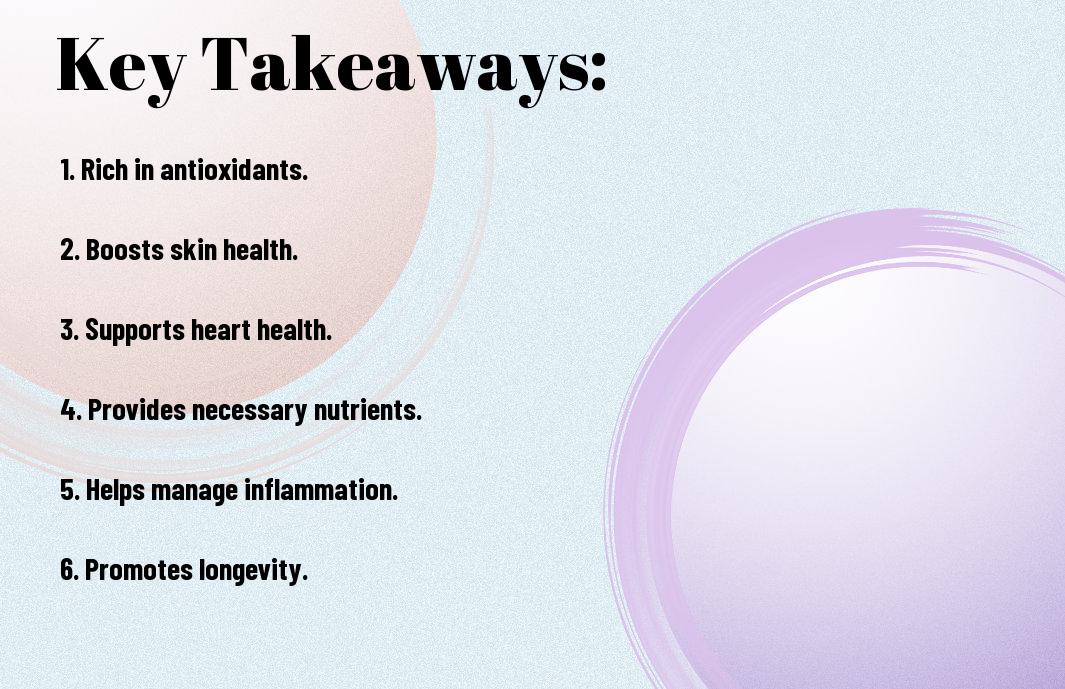
Key Takeaways:

  • Rich in antioxidants: Leafy greens are packed with antioxidants that help combat free radicals, which can cause skin aging.
  • High in vitamins: Leafy greens are a great source of vitamins A, C, and E, which are vital for healthy skin and collagen production.
  • Hydrating properties: Leafy greens are high in water content, helping to keep the skin hydrated and plump, reducing the appearance of fine lines and wrinkles.

The Science Behind Leafy Greens and Skin Health

Antioxidants and Free Radicals

Skin health is closely tied to the balance between antioxidants and free radicals in your body. Free radicals are unstable molecules that can damage your skin cells and accelerate aging. Leafy greens like spinach, kale, and Swiss chard are rich in antioxidants such as vitamin C, vitamin E, and beta-carotene. These antioxidants help neutralize free radicals, protecting your skin from oxidative stress and maintaining its youthful appearance.

Inflammation and Skin Aging

With aging, chronic inflammation in your body can lead to skin issues like wrinkles, sagging, and dullness. Leafy greens contain anti-inflammatory compounds that can help combat this process. The vitamins and minerals in greens like collard greens, arugula, and watercress have been shown to reduce inflammation and promote collagen production, keeping your skin firm and radiant.

Inflammation is your body’s natural response to irritation or injury. When left unchecked, chronic inflammation can break down collagen and elastin in your skin, leading to premature aging. By incorporating leafy greens into your diet, you can help control inflammation and support the overall health and appearance of your skin.

Leafy Greens and Collagen Production

If you want to promote youthful skin, consider incorporating more leafy greens into your diet. These nutrient-dense vegetables play a crucial role in collagen production, which is necessary for maintaining skin elasticity and firmness.

Vitamin C and Collagen Synthesis

On your journey to youthful skin, don’t underestimate the power of vitamin C found in leafy greens. Vitamin C is a vital nutrient that plays a key role in collagen synthesis. Collagen is a protein that provides structure and elasticity to your skin, helping to reduce the appearance of wrinkles and sagging. By including vitamin C-rich leafy greens like spinach, kale, and Swiss chard in your diet, you can support your body’s natural collagen production and promote healthier, more youthful-looking skin.

The Role of Vitamin E in Skin Elasticity

Any discussion about leafy greens and skin health wouldn’t be complete without highlighting the importance of vitamin E. This antioxidant vitamin is known for its powerful effects on skin elasticity and hydration. Leafy greens like broccoli, spinach, and collard greens are excellent sources of vitamin E, helping to protect your skin from oxidative stress and environmental damage. Additionally, vitamin E supports overall skin health by promoting cell regeneration and repair, keeping your skin looking youthful and radiant.

As you continue to incorporate vitamin E-rich leafy greens into your diet, you’ll not only be supporting skin elasticity and hydration, but you’ll also be nourishing your skin from within. This can lead to a more vibrant complexion and a reduction in the visible signs of aging over time.

Hydration and Leafy Greens

Now, Eat Your Way to Youthful Skin: The Role of Vegetables in Anti-Aging discusses how leafy greens can play a significant role in promoting youthful skin. When considering maintaining a hydrated and radiant complexion, leafy greens are your skin’s best friend. Their high water content helps keep your skin hydrated from within, giving you that healthy and plump appearance you desire.

Water-Rich Leafy Greens for Plump Skin

For skin that looks fresh and youthful, incorporating water-rich leafy greens into your diet is key. Vegetables like spinach, kale, and Swiss chard are packed with hydration, helping to improve skin elasticity and reduce the appearance of fine lines and wrinkles. By adding these greens to your meals regularly, you are providing your skin with crucial nutrients that promote a vibrant and rejuvenated complexion.

The Importance of Hydration in Skin Health

With proper hydration, your skin can maintain its elasticity and firmness, reducing the signs of aging such as sagging and dullness. Hydrated skin also has a better barrier function, protecting it from external aggressors like pollution and UV rays. Adequate hydration from leafy greens and other sources can improve your skin’s overall health and appearance, giving you that youthful glow you’ve been striving for.

A well-hydrated skin also helps with cell turnover, which is crucial for maintaining a clear complexion and preventing breakouts. By keeping your skin properly hydrated through consuming water-rich leafy greens and drinking an adequate amount of water daily, you are supporting its natural rejuvenation process and promoting a more youthful and radiant look.

Leafy Greens and Skin Conditions

Keep your skin clear and radiant by incorporating leafy greens into your diet. These nutrient-packed vegetables can help improve various skin conditions, including acne, rosacea, and redness.

How Leafy Greens Can Help with Acne

Greens like kale, spinach, and Swiss chard are rich in vitamins A and C, which can help reduce inflammation and promote healing in acne-prone skin. These antioxidants also help to control excess oil production and maintain skin hydration, reducing the likelihood of breakouts.

The Impact of Leafy Greens on Rosacea and Redness

An imperative component of leafy greens, such as collard greens and arugula, is vitamin K. This vitamin aids in reducing redness and strengthening capillaries, which can be beneficial for those with rosacea. Including these greens in your diet may help alleviate skin redness and improve overall skin tone.

Plus, leafy greens are rich in fiber, which can promote gut health. Since gut health and skin health are closely linked, a healthy gut flora from consuming leafy greens can help reduce inflammation and improve skin conditions like rosacea.

The Top Leafy Greens for Youthful Skin

Many leafy greens are packed with vital vitamins, minerals, and antioxidants that can help promote youthful skin. Incorporating a variety of these greens into your diet can provide your skin with the nutrients it needs to stay healthy and vibrant.

Spinach and Its High Antioxidant Content

Youthful skin is often associated with a radiant glow, and spinach can help you achieve just that. This leafy green is rich in antioxidants like vitamin C and beta-carotene, which can help protect your skin from oxidative stress and damage caused by free radicals. Including spinach in your meals can contribute to a more youthful appearance by supporting collagen production and improving skin elasticity.

Kale and Its Anti-Inflammatory Properties

Kale is another leafy green that can work wonders for your skin. Its high levels of vitamin K and omega-3 fatty acids help reduce inflammation, which is often a major factor in skin aging. By including kale in your diet, you can help combat redness and puffiness, promoting a clearer and more even skin tone. Additionally, the abundance of antioxidants in kale can help repair and rejuvenate skin cells, keeping your complexion looking youthful and vibrant.

To enhance the benefits of kale for your skin, try incorporating it into salads, smoothies, or sautés, ensuring you receive a healthy dose of this skin-loving green daily.

Collard Greens and Their Rich Vitamin Profile

One of the unsung heroes of leafy greens, collard greens are a powerhouse of vitamins A, C, and E, as well as fiber and beta-carotene. This nutrient-dense green can help protect your skin from sun damage, improve hydration levels, and boost overall skin health. Including collard greens in your diet can provide your skin with the vital nutrients it needs to maintain a youthful glow.

Greens like collard greens can be a versatile addition to your meals, whether steamed, sautéed, or added to soups and stews, making it easy to enjoy their skin-loving benefits regularly.

Incorporating Leafy Greens into Your Diet

Once again, leafy greens prove to be a powerhouse of nutrients that can benefit your skin and overall health. Here are some easy and delicious ways to include more leafy greens in your daily diet.

Smoothies and Juices for Easy Leafy Green Consumption

Leafy greens like spinach, kale, and Swiss chard can be easily blended into smoothies or juiced with fruits for a refreshing and nutritious drink. Try adding a handful of spinach to your morning smoothie or juicing some kale with apples and cucumbers for a hydrating green juice. These beverages are a convenient way to get a boost of vitamins, minerals, and antioxidants from leafy greens.

Adding Leafy Greens to Your Favorite Recipes

On top of incorporating leafy greens into your beverages, you can also sneak them into your favorite recipes. Chop up some spinach and mix it into your pasta sauce or add some Swiss chard to your stir-fry for extra color and nutrients. Leafy greens can easily be incorporated into soups, salads, and sandwiches to enhance both the flavor and nutritional content of your meals.

Tips for Cooking and Preparing Leafy Greens

  • Wash leafy greens thoroughly to remove any dirt or grit.
  • Try different cooking methods such as sautéing, steaming, or even roasting to find your favorite way to enjoy leafy greens.
  • Use a variety of leafy greens like kale, spinach, arugula, and collard greens to benefit from a range of nutrients.

Your skin will thank you for incorporating more leafy greens into your diet. The vitamins, minerals, and antioxidants found in these nutrient-dense greens can help promote a healthy complexion and contribute to a youthful glow. So, get creative in the kitchen and start reaping the skin-loving benefits of leafy greens today.

Summing up

To wrap up, incorporating leafy greens into your diet can have a significant impact on promoting youthful skin. These greens are packed with imperative vitamins, minerals, and antioxidants that play a crucial role in maintaining skin health and combating signs of aging. Including a variety of leafy greens like spinach, kale, and Swiss chard in your meals can help you achieve that glowing and vibrant complexion you desire. To learn more about the benefits of leafy greens, check out this article on Green Leafy Vegetables can Save Your Life!

Q: What role do leafy greens play in promoting youthful skin?

A: Leafy greens are rich in antioxidants, vitamins, and minerals that help protect the skin from damage caused by free radicals. They also contain high levels of vitamin C, which promotes collagen production and helps in maintaining skin elasticity, resulting in a more youthful appearance.

Q: Which leafy greens are particularly beneficial for skin health?

A: Leafy greens such as spinach, kale, and Swiss chard are particularly beneficial for skin health due to their high levels of vitamins A, C, and E, as well as antioxidants like beta-carotene and lutein. These nutrients help to repair and protect the skin, resulting in a more radiant and youthful complexion.

Q: How can I incorporate more leafy greens into my diet for better skin health?

A: You can incorporate more leafy greens into your diet by adding them to smoothies, salads, stir-fries, soups, or wraps. You can also try juicing them or blending them into sauces or dips. By including a variety of leafy greens in your daily meals, you can help promote youthful skin and overall skin health.

How do omega-3 fatty acids in foods contribute to anti-aging

Foods rich in omega-3 fatty acids can do wonders for your skin and overall health as you age. By incorporating these powerful nutrients into your diet, you can help fight inflammation, improve skin elasticity, and even reduce the appearance of wrinkles. Let’s explore how omega-3 fatty acids work their magic and why you should be adding more of them to your meals.

Key Takeaways:

  • Reduce inflammation: Omega-3 fatty acids help reduce inflammation in the body, which can contribute to delaying the aging process.
  • Protect skin health: Consuming foods rich in omega-3 fatty acids can help maintain skin elasticity and hydration, reducing the appearance of wrinkles and promoting anti-aging effects.
  • Support brain function: Omega-3 fatty acids are beneficial for cognitive function and may help reduce the risk of age-related cognitive decline.

The Science Behind Omega-3 Fatty Acids

What are Omega-3 Fatty Acids?

On your journey to understanding how omega-3 fatty acids contribute to anti-aging, it’s important to grasp what they are. Omega-3 fatty acids are a type of polyunsaturated fat that is crucial for your overall health. The three main types of omega-3 fatty acids that you may have heard of are ALA (alpha-linolenic acid), EPA (eicosapentaenoic acid), and DHA (docosahexaenoic acid). While ALA is mostly found in plant sources like flaxseeds and walnuts, EPA and DHA are commonly found in fatty fish such as salmon, mackerel, and sardines.

How Do Omega-3 Fatty Acids Work in the Body?

To understand how omega-3 fatty acids work in your body, it’s crucial to know that they play a vital role in cell membranes, which are responsible for allowing substances to enter and exit cells. Omega-3 fatty acids also have anti-inflammatory effects in your body, helping to reduce inflammation that can lead to various diseases. Additionally, they are important for brain health, as DHA is a major structural component of the brain and plays a role in cognitive function.

Omega-3 fatty acids are also known to have cardiovascular benefits, such as reducing the risk of heart disease by lowering triglyceride levels and blood pressure. Including omega-3-rich foods in your diet can have a positive impact on your overall well-being, contributing to a healthier and potentially longer life.

The Anti-Aging Effects of Omega-3 Fatty Acids

Assuming you are looking to combat the signs of aging and maintain a youthful glow, incorporating omega-3 fatty acids into your diet could be a beneficial strategy. According to Omega-3 Fatty Acids: Benefits and Supplements from WebMD, these necessary fats play a vital role in various aspects of anti-aging.

Reducing Inflammation

To start, omega-3 fatty acids are known for their anti-inflammatory properties. Chronic inflammation in the body can contribute to aging and age-related diseases. Omega-3s help reduce inflammation by inhibiting the production of inflammatory molecules, thereby promoting a more balanced and healthier internal environment.

Protecting Cellular Health

Reducing cellular damage is crucial in the fight against aging, and omega-3 fatty acids can play a significant role in this aspect. These healthy fats help protect cell membranes, ensuring their integrity and functionality. By safeguarding cellular health, omega-3s support overall bodily functions and can slow down the aging process.

Fatty acids like DHA (docosahexaenoic acid) and EPA (eicosapentaenoic acid), which are found abundantly in omega-3-rich foods, contribute to maintaining cellular health by promoting membrane fluidity and aiding in cell-to-cell communication.

Promoting Healthy Skin and Hair

Cellular health is directly linked to the appearance of your skin and hair. Omega-3 fatty acids support skin elasticity and hydration, helping to reduce the appearance of wrinkles and fine lines. Additionally, these necessary fats can contribute to strong, shiny hair by nourishing the hair follicles and supporting hair growth.

Another benefit of omega-3s for your skin is their ability to protect against sun damage and reduce inflammation, which can help prevent premature aging and maintain a youthful complexion. Including omega-3-rich foods in your diet can be a natural way to support your anti-aging skincare routine.

Food Sources Rich in Omega-3 Fatty Acids

Once again, incorporating omega-3 fatty acids into your diet is vital for maintaining a youthful appearance and promoting overall health. Including foods rich in omega-3 fatty acids can help combat the signs of aging and keep your skin, brain, and heart healthy. Let’s explore some delicious options that can easily be added to your diet.

Fatty Fish: Salmon, Sardines, and Mackerel

Rich in omega-3 fatty acids such as EPA and DHA, fatty fish like salmon, sardines, and mackerel are excellent choices to boost your intake of these important nutrients. These fatty acids have anti-inflammatory properties that can help protect your skin from damage caused by sun exposure and aging. Including fatty fish in your diet at least twice a week can benefit not only your skin but also your cardiovascular and cognitive health.

Nuts and Seeds: Walnuts, Chia Seeds, and Flaxseeds

Fish are not the only source of omega-3 fatty acids; nuts and seeds like walnuts, chia seeds, and flaxseeds are also packed with these beneficial nutrients. Walnuts, in particular, are rich in alpha-linolenic acid (ALA), a plant-based omega-3 fatty acid that can be converted into EPA and DHA in the body. Chia seeds and flaxseeds are also great sources of ALA, making them excellent additions to your diet to support anti-aging and overall health.

Understanding the significance of incorporating a variety of omega-3 sources into your diet is crucial for reaping the full benefits of these important fatty acids. By including a mix of fatty fish, nuts, and seeds in your meals, you can ensure that you are getting an adequate amount of omega-3s to support your anti-aging goals.

Plant-Based Options: Algal Oil and Canola Oil

Any plant-based diet can benefit from incorporating omega-3-rich oils like algal oil and canola oil. Algal oil is derived from algae, making it a vegan-friendly source of DHA, while canola oil is rich in ALA. These plant-based oils can be used in cooking or as dressings to increase your omega-3 intake without relying solely on animal-based sources. Including these oils in your diet can help you maintain a healthy balance of omega-3 fatty acids and support your anti-aging efforts.

The Benefits of Omega-3 Rich Foods for Anti-Aging

Keep your body and mind youthful by incorporating omega-3 fatty acids into your diet. Omega-3 fatty acids are imperative nutrients that play a crucial role in various bodily functions. According to Omega-3 Fatty Acids & the Important Role They Play, these healthy fats are known for their anti-inflammatory properties, which can benefit you in numerous ways as you age.

Improving Heart Health

Heart health is vital for longevity, and omega-3s can significantly contribute to keeping your heart strong and healthy. These fatty acids have been shown to lower triglycerides, reduce the risk of heart disease, and decrease inflammation in the body. By including omega-3 rich foods like fatty fish, flaxseeds, and walnuts in your diet, you can support your cardiovascular system and promote overall heart health.

Reducing Cognitive Decline

Reducing cognitive decline is crucial for maintaining mental sharpness and cognitive function as you age. Omega-3 fatty acids have been linked to a reduced risk of cognitive decline and may help improve memory and brain function. Including foods rich in omega-3s in your diet, such as salmon, chia seeds, and hemp seeds, can support your brain health and potentially protect against conditions like Alzheimer’s disease.

Decline

Supporting Joint Health

Foods rich in omega-3 fatty acids can also help support joint health, which is imperative for staying active and mobile as you age. Omega-3s have anti-inflammatory properties that can help reduce joint pain and stiffness associated with conditions like arthritis. By incorporating sources of omega-3s like sardines, mackerel, and algal oil into your meals, you can support your joint health and improve your overall quality of life.

Another

How to Incorporate Omega-3 Rich Foods into Your Diet

Meal Planning and Recipes

Your journey to include more omega-3 fatty acids in your diet can begin with simple meal planning and incorporating delicious recipes. Start your day with a breakfast of chia seed pudding topped with walnuts and berries. For lunch, try a spinach salad with salmon and avocado. Dinner could be grilled salmon with a side of quinoa and steamed broccoli. By being intentional with your meal choices, you can easily boost your omega-3 intake.

Supplements: When and How to Use Them

The use of omega-3 supplements can be beneficial when you may not be getting enough through your diet alone. The quality and source of the supplement are crucial, so opt for reputable brands that provide pure and high-quality fish oil. The best time to take your supplement is with meals to enhance absorption. Always consult with a healthcare provider before incorporating supplements into your routine.

Another important factor to consider when using omega-3 supplements is the dosage. The right amount varies from person to person, depending on age, health status, and dietary intake. To determine the ideal dosage for you, it’s best to seek guidance from a healthcare professional who can tailor recommendations to your specific needs.

Tips for Vegetarians and Vegans

Dietary restrictions should not hinder your quest for omega-3 fatty acids. For vegetarians and vegans, incorporating plant-based sources such as flaxseeds, chia seeds, hemp seeds, and walnuts can provide a good amount of these important fatty acids. Consider adding ground flaxseeds to your morning smoothie or snacking on a handful of walnuts during the day. You can also try cooking with flaxseed oil or hempseed oil for added omega-3 benefits.

  • Include flaxseeds, chia seeds, and walnuts in your daily meals
  • Experiment with plant-based oils like flaxseed oil and hempseed oil in your cooking

This inclusive approach ensures that no matter your dietary preferences, you can still enjoy the benefits of omega-3 fatty acids to support your overall health and well-being.

Debunking Common Myths About Omega-3 Fatty Acids

Separating Fact from Fiction

Now, with so much information circulating about omega-3 fatty acids, it’s imperative to separate fact from fiction. You might have heard that all omega-3 sources are the same, but that’s not true. While plant-based sources like flaxseeds and chia seeds contain alpha-linolenic acid (ALA), they lack the imperative EPA and DHA found in fatty fish like salmon and mackerel.

Addressing Concerns About Mercury and PCBs

On the topic of omega-3-rich fish, there is a common concern about mercury and PCBs in seafood. However, it’s imperative to note that reputable fish oil supplements undergo rigorous purification processes to remove contaminants, ensuring you receive the benefits of omega-3 without the harmful substances.

To alleviate your concerns, look for supplements that are third-party tested for purity and quality. These tests ensure that the omega-3 supplements you are consuming are free from harmful levels of mercury and PCBs, making them safe and beneficial for your health.

The Truth About Omega-3 Supplements

To debunk another myth, you may have heard that omega-3 supplements are unnecessary if you consume a balanced diet. While it’s ideal to obtain nutrients from whole foods, the reality is that many people fall short in meeting their omega-3 requirements through diet alone. Supplements can be a convenient and effective way to bridge this gap and support your overall health.

To ensure you are choosing a high-quality omega-3 supplement, opt for products that are molecularly distilled and certified by reputable organizations. This extra step guarantees that you are getting a pure and potent supplement that provides the valuable omega-3 fatty acids your body needs for optimal functioning.

Conclusion

Taking this into account, incorporating foods rich in omega-3 fatty acids into your diet can play a crucial role in anti-aging. Not only do these healthy fats help maintain cell membranes and reduce inflammation, but they also support brain health, heart health, and overall well-being. By consuming foods like fatty fish, flaxseeds, and walnuts regularly, you are providing your body with crucial nutrients that can help slow down the aging process and promote longevity.

So next time you’re planning your meals, remember to include sources of omega-3 fatty acids to support your anti-aging efforts. By making small changes to your diet and prioritizing these nutrient-rich foods, you can take proactive steps towards maintaining your health and vitality as you age. Embracing the power of omega-3 fatty acids is not only beneficial for your physical appearance but also for your overall health and well-being in the long run.

Q: What are omega-3 fatty acids and how do they contribute to anti-aging?

A: Omega-3 fatty acids are important fats that play a crucial role in overall health, including anti-aging benefits. They help reduce inflammation in the body, which is a key contributor to the aging process. Additionally, omega-3s support healthy brain function, improve skin health, and promote heart health, all of which are important aspects of anti-aging.

Q: What are some food sources of omega-3 fatty acids?

A: Some common food sources of omega-3 fatty acids include fatty fish such as salmon, sardines, and mackerel, as well as flaxseeds, chia seeds, walnuts, and soybeans. Incorporating these foods into your diet can help ensure you are getting an adequate intake of omega-3s to support anti-aging benefits.

Q: How much omega-3 fatty acids should I consume for anti-aging benefits?

A: The recommended daily intake of omega-3 fatty acids for adults is typically around 250-500 milligrams of combined EPA and DHA, the two main types of omega-3s. However, for specific anti-aging benefits, some experts recommend higher doses, up to 1000-2000 milligrams per day. It is best to consult with a healthcare provider to determine the right dosage for your individual needs.

What are the benefits of eating nuts and seeds for anti-aging

Seeds of nuts and seeds hold the key to unlocking the secret to youthful aging. When you incorporate a variety of nuts and seeds into your daily diet, you are providing your body with a powerhouse of antioxidants, vitamins, and minerals that help combat the signs of aging. These nutrient-dense foods can help improve the elasticity of your skin, boost brain function, and protect your cells from damage, keeping you looking and feeling younger for longer. So next time you snack, reach for a handful of nuts and seeds to nourish your body from the inside out.

Key Takeaways:

  • Rich in nutrients: Nuts and seeds are packed with important nutrients like vitamins, minerals, healthy fats, and antioxidants that can help protect the body from oxidative stress and inflammation, slowing down the aging process.
  • Good for skin health: The beneficial nutrients in nuts and seeds, such as vitamin E, zinc, and fatty acids, can help support skin health by promoting hydration, elasticity, and reducing the signs of aging like wrinkles and fine lines.
  • Heart-healthy benefits: Consuming nuts and seeds has been linked to improved cardiovascular health due to their content of unsaturated fats, fiber, and plant compounds, which can help lower cholesterol levels, reduce blood pressure, and support overall heart function, ultimately contributing to anti-aging benefits.

Nutritional Powerhouses

The Foods for aging support are crucial, and nuts and seeds play a vital role as nutritional powerhouses in your anti-aging diet. They are packed with a wide range of nutrients that can benefit your skin, brain, and overall health.

High in Antioxidants

With their high levels of antioxidants, nuts and seeds help combat oxidative stress in your body. Antioxidants protect your cells from damage caused by free radicals, which contributes to aging and age-related diseases. Including a variety of nuts and seeds in your diet can help in reducing the signs of aging and promoting longevity.

Rich in Omega-3 Fatty Acids

Omega-3 fatty acids are known for their anti-inflammatory properties, which can help lower inflammation in your body and potentially reduce the risk of chronic diseases. Nuts like walnuts and seeds such as flaxseeds are excellent sources of alpha-linolenic acid (ALA), a type of omega-3 fatty acid that your body needs but cannot produce on its own.

Powerhouses: A diet rich in omega-3 fatty acids can improve your skin health, support brain function, and reduce the risk of heart disease. Including a variety of nuts and seeds in your meals can help you meet your omega-3 fatty acid needs and support your overall well-being.

Excellent Source of Fiber

Powerhouses – Nuts and seeds are excellent sources of fiber, which plays a crucial role in your digestive health and can help you maintain a healthy weight. Fiber keeps your digestive system running smoothly, promotes satiety, and supports a diverse gut microbiome, which is crucial for overall health.

This nutrient-dense combination of nuts and seeds not only provides you with crucial nutrients for healthy aging but also contributes to your overall well-being. Including a variety of nuts and seeds in your diet can help you look and feel your best as you age gracefully.

Anti-Aging Benefits

Reduces Inflammation

It is well-known that chronic inflammation is linked to aging and age-related diseases. Nuts and seeds are rich in anti-inflammatory properties, such as omega-3 fatty acids and antioxidants, which can help combat inflammation in your body. By including a variety of nuts and seeds in your diet, you can potentially reduce inflammation and support your overall health as you age.

Improves Skin Health

Any skincare routine can benefit from the inclusion of nuts and seeds in your diet. These tiny powerhouses are packed with vitamins, minerals, and healthy fats that promote skin health from the inside out. The omega-3 fatty acids found in nuts and seeds help to keep your skin hydrated and supple, while antioxidants combat free radicals that contribute to skin aging.

Skin health is not just about what you put on your skin topically; it’s also about nourishing your skin from within. Including a variety of nuts and seeds in your diet can provide the crucial nutrients your skin needs to maintain its youthful appearance and elasticity.

Supports Cognitive Function

Benefits your brain by incorporating nuts and seeds into your diet. These nutritious powerhouses contain crucial nutrients like vitamin E, folate, and omega-3 fatty acids that are crucial for brain health. Studies have shown that regular consumption of nuts and seeds may help improve cognitive function, memory, and overall brain health as you age.

Inflammation in the brain is a key factor in cognitive decline and neurodegenerative diseases. By including nuts and seeds in your anti-aging diet, you can help reduce inflammation in the brain and support optimal cognitive function for years to come.

Nuts for Anti-Aging

All nuts are packed with crucial nutrients that can benefit your overall health and help you combat the signs of aging. Including a variety of nuts in your diet can provide your body with a range of antioxidants, vitamins, and minerals that support healthy aging.

Walnuts: The Brain Food

For a powerful anti-aging boost, be sure to include walnuts in your diet. Walnuts are known as the ultimate brain food due to their high levels of omega-3 fatty acids, which are crucial for brain health. These healthy fats can help improve cognitive function and protect against age-related cognitive decline.

Almonds: Rich in Vitamin E

Almonds are another excellent choice for anti-aging benefits, thanks to their high vitamin E content. Vitamin E is a powerful antioxidant that helps protect your skin from damage caused by free radicals, ultimately reducing the appearance of fine lines and wrinkles.

Another reason why almonds are great for anti-aging is their ability to support heart health. The monounsaturated fats in almonds can help lower bad cholesterol levels, reducing the risk of heart disease and keeping you feeling youthful and vibrant.

Pecans: High in Antioxidants

AntiAging Pecans are a delicious nut that is high in antioxidants, making them a fantastic choice for maintaining youthful skin and combating the effects of aging. Antioxidants help neutralize free radicals in the body, preventing cellular damage and reducing inflammation that can lead to premature aging.

To incorporate pecans into your anti-aging diet, you can enjoy them as a snack, sprinkle them on salads, or use them in baked goods for a tasty and nutritious boost.

Seeds for Anti-Aging

Once again, seeds play a vital role in promoting anti-aging benefits thanks to their nutrient-dense profile. If you’re looking for the top seeds to incorporate into your diet for anti-aging benefits, check out the 5 best nuts for anti-aging to get started on your journey to healthier skin and a more youthful glow.

Chia Seeds: Omega-3 Powerhouse

On your anti-aging quest, chia seeds are a must-have in your pantry. These tiny seeds are packed with omega-3 fatty acids, which are necessary for maintaining healthy cell membranes and promoting youthful skin. Including chia seeds in your diet can help reduce inflammation, improve skin elasticity, and protect against the visible signs of aging.

Flaxseeds: Rich in Fiber and Antioxidants

Powerhouse flaxseeds are not just a trendy ingredient; they are a powerhouse of anti-aging benefits. For instance, flaxseeds are rich in fiber, which aids digestion and helps eliminate toxins from your body. Additionally, flaxseeds are a abundant source of antioxidants, which combat free radicals and oxidative stress that contribute to premature aging. By incorporating flaxseeds into your daily routine, you can support your body’s natural defenses against aging.

Hemp Seeds: Complete Protein Source

Chia seeds may be small, but they pack a powerful anti-aging punch. These seeds are a complete protein source, containing all nine necessary amino acids that your body needs for various functions, including collagen production for youthful skin. By adding hemp seeds to your meals, you can ensure that you’re getting a well-rounded source of plant-based protein to support your anti-aging goals.

For instance, incorporating hemp seeds into smoothies, salads, or homemade energy bars can provide a nutrient boost that supports your body’s repair and rejuvenation processes. These versatile seeds are easy to incorporate into your diet and can make a significant impact on your overall anti-aging efforts.

Combining Nuts and Seeds for Maximum Benefit

Trail Mix: A Convenient Snack

Benefit from the powerful anti-aging properties of nuts and seeds by creating your own trail mix. Combining different types of nuts like almonds, walnuts, and pecans with seeds such as pumpkin or sunflower seeds not only provides a variety of important nutrients but also offers a convenient and portable snack option. With a mix of healthy fats, protein, fiber, vitamins, and minerals, this snack will keep you satisfied and energized throughout your day.

Adding Nuts and Seeds to Oatmeal or Yogurt

One easy way to incorporate nuts and seeds into your diet is by sprinkling them onto your morning oatmeal or yogurt. By adding a handful of chopped nuts or seeds like chia or flaxseeds, you are boosting the nutritional value of your breakfast. These additions provide a crunchy texture, delicious flavor, and a dose of antioxidants and omega-3 fatty acids that promote skin elasticity and overall anti-aging benefits.

One study published in the American Journal of Clinical Nutrition found that women who regularly consumed nuts had a lower risk of cognitive decline as they aged. By including nuts and seeds in your daily meals, you are not only benefiting your skin and body but also supporting your brain health.

Incorporating Nuts and Seeds into Baked Goods

To fully harness the anti-aging benefits of nuts and seeds, consider incorporating them into your homemade baked goods. Adding chopped nuts like almonds or hazelnuts to muffins, bread, or cookies not only enhances the flavor and texture but also increases the nutrient content of your treats. Additionally, seeds such as flaxseeds or chia seeds can be mixed into batters or doughs to boost the omega-3 fatty acids and fiber in your baked goods.

Understanding that the process of baking may reduce some of the nutritional content of nuts and seeds, it is still a delicious and convenient way to enjoy these anti-aging powerhouses. By choosing homemade baked goods with nuts and seeds over store-bought options, you can control the ingredients and ensure that you are reaping the maximum benefits for your skin and overall health.

Potential Drawbacks and Precautions

Keep in mind that while nuts and seeds offer a variety of health benefits, there are certain precautions you should take when incorporating them into your diet. Below are some potential drawbacks to be aware of:

Allergies and Intolerances

Allergies to nuts and seeds are quite common and can range from mild reactions to severe ones like anaphylaxis. If you have a known allergy to certain nuts or seeds, it’s crucial to avoid them altogether to prevent any adverse reactions. Additionally, some individuals may experience intolerances to certain nuts or seeds, leading to digestive issues such as bloating, gas, or stomach pain. If you notice any discomfort after consuming nuts or seeds, you may want to consider eliminating them from your diet or consulting a healthcare provider for guidance.

High Calorie Content

Drawbacks can arise from the high calorie content found in nuts and seeds. While they are packed with crucial nutrients, consuming them in large quantities can contribute to excess calorie intake, potentially leading to weight gain. It’s important to practice moderation and be mindful of portion sizes when enjoying nuts and seeds as part of your diet.

Possible Interactions with Medications

Potential interactions with medications can occur when consuming certain nuts and seeds. For example, flaxseeds and chia seeds contain high levels of omega-3 fatty acids, which may have blood-thinning effects. If you are taking blood-thinning medications, such as Warfarin, incorporating large amounts of these seeds into your diet could potentially increase the risk of bleeding. It’s crucial to consult with your healthcare provider to understand any possible interactions between nuts, seeds, and your medications.

Summing up

The benefits of incorporating nuts and seeds into your diet for anti-aging are numerous. They are rich in antioxidants, healthy fats, vitamins, and minerals that can help protect your cells from damage, reduce inflammation, and improve your skin’s health. By including a variety of nuts and seeds in your daily meals, you are providing your body with imperative nutrients that can support your overall well-being and slow down the aging process.

The next time you are looking for a snack or planning a meal, consider adding some nuts and seeds to your menu. Whether you sprinkle them on top of a salad, blend them into a smoothie, or simply enjoy them on their own, these nutrient-packed powerhouses can be a delicious and easy way to boost your anti-aging efforts. So go ahead and start reaping the benefits of these tiny but mighty superfoods for your health and longevity.

FAQ

Q: What are the benefits of nuts and seeds for anti-aging?

A: Nuts and seeds are rich in antioxidants, vitamins, and minerals that help fight oxidative stress and inflammation, two of the main factors contributing to aging. They also contain healthy fats that support skin health and reduce the risk of chronic diseases associated with aging.

Q: Which nuts and seeds are most beneficial for anti-aging?

A: Nuts like almonds, walnuts, and Brazil nuts, as well as seeds such as chia seeds, flaxseeds, and pumpkin seeds, are known for their anti-aging properties. These nuts and seeds are packed with nutrients like vitamin E, omega-3 fatty acids, and zinc that promote skin elasticity and overall health.

Q: How can nuts and seeds be incorporated into an anti-aging diet?

A: Nuts and seeds can be easily added to your diet by sprinkling them on salads, yogurt, or oatmeal, or by enjoying them as a snack on their own. You can also use nut butters or seed spreads as a healthy alternative to spreads high in sugar and unhealthy fats. Including a variety of nuts and seeds in your diet can help you reap the anti-aging benefits they offer.

How do whole grains support healthy aging

Many of you may not know that incorporating whole grains into your diet can play a vital role in supporting healthy aging. According to health studies, consuming whole grains can have numerous benefits for your overall well-being as you grow older. Let’s explore the ways in which whole grains can help you age gracefully and maintain your health for years to come.

Key Takeaways:

  • Fiber content: Whole grains are rich in fiber, which aids in digestion, helps maintain a healthy weight, and reduces the risk of chronic diseases such as heart disease and diabetes.
  • Nutrient density: Whole grains contain imperative nutrients like vitamins, minerals, and antioxidants that support overall health and protect against age-related diseases.
  • Brain health: Consuming whole grains has been linked to improved cognitive function and a reduced risk of cognitive decline as we age, promoting healthy aging.

The Science Behind Whole Grains

Definition and Composition of Whole Grains

An imperative component of a healthy diet, whole grains are grains that contain all parts of the seed, including the bran, germ, and endosperm. This means that when you consume whole grains, you are getting all the nutrients these parts provide. Examples of whole grains include brown rice, quinoa, whole wheat, oats, and barley. These grains are rich in fiber, vitamins, minerals, and antioxidants that are beneficial for your overall health.

Nutrient-Dense Profile of Whole Grains

Science shows that whole grains are nutrient powerhouses, packed with imperative nutrients that support your health as you age. These grains are excellent sources of fiber, which aids in digestion, helps you feel full longer, and supports heart health. They also provide key vitamins and minerals such as B vitamins, iron, magnesium, and selenium, which are important for energy production, immune function, and bone health.

Behind the scenes, the nutrient-dense profile of whole grains works synergistically to provide you with a wide array of health benefits. The combination of fiber, vitamins, minerals, and antioxidants in whole grains helps reduce the risk of chronic diseases such as heart disease, diabetes, and certain types of cancer. By including a variety of whole grains in your diet, you are nourishing your body with the imperative nutrients it needs to thrive as you age.

The Role of Whole Grains in Healthy Aging

Slowing Down Cellular Aging

Aging is a natural process that affects your body at the cellular level. Research suggests that whole grains play a crucial role in slowing down cellular aging. Whole grains are rich in antioxidants, vitamins, and minerals that help protect your cells from damage caused by free radicals. By including whole grains in your diet, you can potentially reduce the rate at which your cells age, promoting overall health and well-being as you grow older.

Reducing Inflammation and Oxidative Stress

Cellular inflammation and oxidative stress are key factors that contribute to the aging process. Whole grains have anti-inflammatory properties and are packed with antioxidants that can help combat these harmful effects. By incorporating a variety of whole grains such as brown rice, quinoa, and whole wheat into your meals, you can lower inflammation levels in your body and reduce oxidative stress. This, in turn, can support healthy aging and may lower your risk of age-related diseases.

Grains such as oats and barley contain beta-glucan, a type of fiber that has been shown to reduce inflammation in the body. Including these grains in your diet can help maintain a healthy balance of inflammation and support your overall health as you age.

Cardiovascular Health and Whole Grains

For more information on how whole grains can support your cardiovascular health as you age, check out How Whole Grains Help Seniors.

Lowering Cholesterol Levels and Blood Pressure

Levels of cholesterol and blood pressure are crucial indicators of heart health. Whole grains play a key role in lowering your cholesterol levels, specifically low-density lipoprotein (LDL) cholesterol, which is known as “bad” cholesterol. By incorporating whole grains like oatmeal, brown rice, and whole wheat into your diet, you can help reduce LDL cholesterol levels and maintain a healthy heart. Additionally, the fiber content in whole grains can aid in reducing blood pressure, thus lowering the risk of heart disease.

Reducing the Risk of Heart Disease

Health experts agree that a diet rich in whole grains is associated with a lower risk of heart disease. This is because whole grains contain heart-healthy nutrients like fiber, antioxidants, and phytochemicals. These components work together to reduce inflammation, improve blood vessel function, and decrease the buildup of plaque in the arteries. By regularly consuming whole grains as part of your balanced diet, you are actively taking steps to protect your heart health and reduce the risk of cardiovascular diseases in your later years.

Whole Grains and Cognitive Function

Improving Memory and Concentration

To support your cognitive function as you age, incorporating whole grains into your diet can be beneficial. Whole grains like brown rice, quinoa, and oats are rich in nutrients such as vitamin E, antioxidants, and fiber, which help improve blood flow and overall brain health. These nutrients can enhance memory and concentration, making it easier for you to stay focused and alert throughout the day.

Reducing the Risk of Age-Related Cognitive Decline

To protect your brain from age-related cognitive decline, consuming whole grains is a smart choice. Research suggests that diets high in whole grains may reduce the risk of cognitive impairments as you get older. The combination of vitamins, minerals, and antioxidants found in whole grains can help maintain the health of your brain cells and slow down the aging process of your brain.

AgeRelated: Protecting Your Brain as You Age

Age-related cognitive decline, such as memory loss and decreased cognitive function, is a natural part of getting older. However, incorporating whole grains into your diet can help reduce the impact of these changes on your brain health. By choosing whole grains over refined grains, you are providing your brain with necessary nutrients that support cognitive function and protect against age-related decline.

Whole Grains and Digestive Health

All the components of whole grains, including the bran, germ, and endosperm, work together to support your digestive health in various ways. Whole grains are rich in fiber, which plays a crucial role in maintaining a healthy digestive system.

Promoting Regular Bowel Movements and Preventing Constipation

Constipation can be uncomfortable and even painful, but incorporating whole grains into your diet can help alleviate this issue. The insoluble fiber in whole grains adds bulk to your stool, making it easier to pass through your digestive tract. This promotes regular bowel movements and prevents constipation, keeping your digestive system functioning smoothly.

Supporting the Growth of Beneficial Gut Bacteria

Bacteria play a vital role in your digestive system, aiding in the breakdown of food and the absorption of nutrients. Whole grains support the growth of beneficial gut bacteria due to their prebiotic properties. These beneficial bacteria help maintain a healthy gut microbiome, which is crucial for overall digestive health.

Another benefit of whole grains is that they help increase the production of short-chain fatty acids in the gut, which further support the growth of beneficial bacteria. These fatty acids play a key role in maintaining a healthy gut environment and can also have systemic effects on overall health.

The Impact of Whole Grains on Bone Health

Now let’s research into how whole grains can positively impact your bone health as you age.

Increasing Calcium Absorption and Bone Density

Density. Whole grains contain nutrients like magnesium, phosphorus, and zinc, which play a crucial role in increasing calcium absorption in your body. Calcium is vital for maintaining strong bones and teeth, and by consuming whole grains, you are aiding in the process of enhancing your bone density over time. This is especially important as you age and naturally start to experience a decline in bone mass.

Reducing the Risk of Osteoporosis and Fractures

To reduce the risk of osteoporosis and fractures in your later years, incorporating whole grains into your diet can make a significant difference. These grains contain phytonutrients and antioxidants that help in combating inflammation and oxidative stress, both of which can contribute to bone loss and weakening. By regularly consuming whole grains, you are actively working towards maintaining strong and healthy bones as you age.

Increasing your intake of whole grains can also help in reducing the risk of osteoporosis and fractures by providing your body with vital nutrients like vitamin K, which is crucial for bone health. Vitamin K helps in the proper utilization of calcium in the body, further contributing to maintaining strong bones and reducing the likelihood of fractures.

To wrap up

Upon reflecting on the benefits of whole grains for healthy aging, it’s clear that incorporating whole grains into your diet can play a significant role in promoting overall health and well-being as you age. Whole grains provide necessary nutrients, fiber, and antioxidants that can help reduce the risk of chronic diseases such as heart disease, diabetes, and certain types of cancer. By choosing whole grains over refined grains, you are making a conscious decision to support your body’s ability to function optimally and maintain a high quality of life as you grow older.

Q: What are whole grains?

A: Whole grains are grains that contain all parts of the grain kernel – the bran, germ, and endosperm. Examples of whole grains include brown rice, quinoa, oats, and whole wheat.

Q: How do whole grains support healthy aging?

A: Whole grains are rich in fiber, vitamins, minerals, and antioxidants that can help reduce the risk of chronic diseases such as heart disease, diabetes, and certain types of cancer. They also provide sustained energy, promote digestive health, and help maintain a healthy weight, all of which are important for healthy aging.

Q: How much whole grains should be included in a healthy aging diet?

A: It is recommended that at least half of your daily grain intake should come from whole grains. This typically means about 3-5 servings of whole grains per day, depending on your caloric needs. Be sure to include a variety of whole grains in your diet for maximum benefits.

What is the impact of consuming probiotics on aging

Most people are curious about the effects of probiotics on their health, especially as they age. As you navigate the world of supplements and wellness trends, understanding the impact of probiotics on aging can be not only beneficial but also fascinating. Let’s probe into the scientific realm of how consuming probiotics may influence the aging process and overall health of your body.

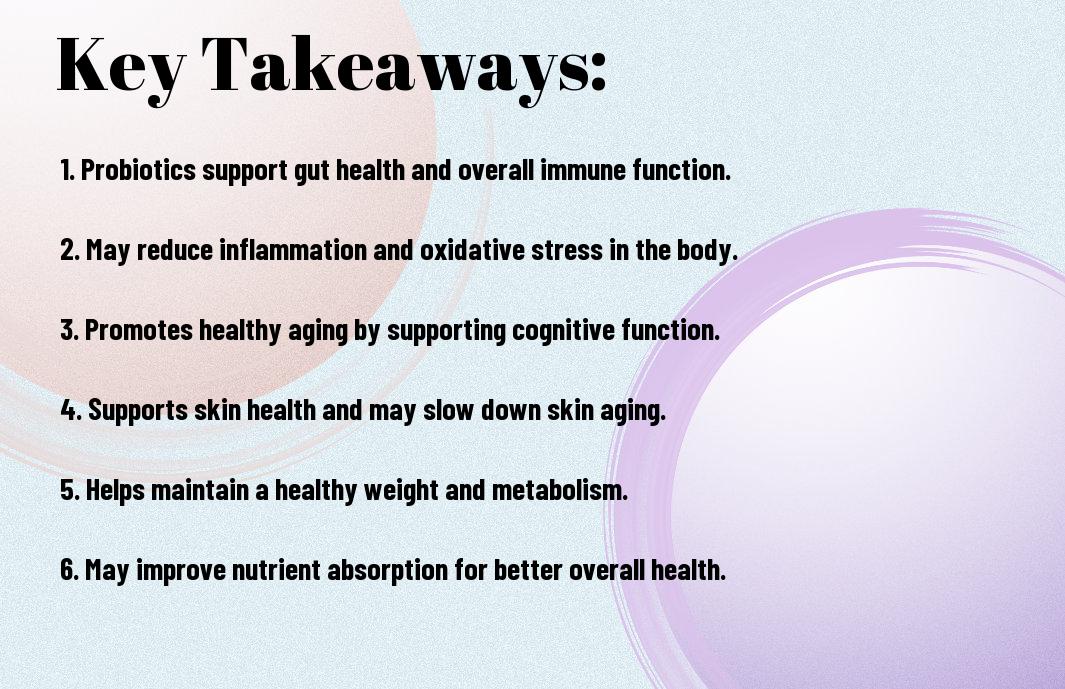
Key Takeaways:

  • Potential for Improved Gut Health: Consuming probiotics can help maintain a healthy balance of gut bacteria, which is crucial for overall health, including digestion, nutrient absorption, and immune function.
  • Possible Anti-Aging Benefits: Probiotics may have antioxidant properties and can help reduce inflammation, which are both important factors in slowing down the aging process.
  • Individual Response May Vary: The impact of consuming probiotics on aging can vary from person to person, depending on factors such as diet, lifestyle, and overall health status.

The Science of Probiotics

Definition and Mechanism of Action

Science: Probiotics are live microorganisms that, when consumed in adequate amounts, confer health benefits on the host. These beneficial bacteria are known to positively influence the gut microbiota and various physiological functions. Probiotics work by modulating the balance of harmful and beneficial bacteria in the gut, thus promoting overall health and well-being.

Types of Probiotics and Their Benefits

Science: Probiotics come in various strains, with each offering unique advantages for your health. Some common types include Lactobacillus, Bifidobacterium, and Saccharomyces boulardii. Each of these probiotic strains can help improve digestion, boost the immune system, and even enhance mental health. When choosing a probiotic supplement or food product, look for specific strains that target your health concerns for optimal benefits.

Mechanism of Action Types of Probiotics and Their Benefits
  • Modulate gut microbiota
  • Promote overall health
  • Balance harmful and beneficial bacteria
  • Enhance physiological functions
  • Confer health benefits
  • Lactobacillus
  • Bifidobacterium
  • Saccharomyces boulardii
  • Improved digestion
  • Boosted immune system
  • Enhanced mental health
  • Targeted health benefits
  • Regulate gut health
  • Support overall well-being
  • Enhance nutrient absorption

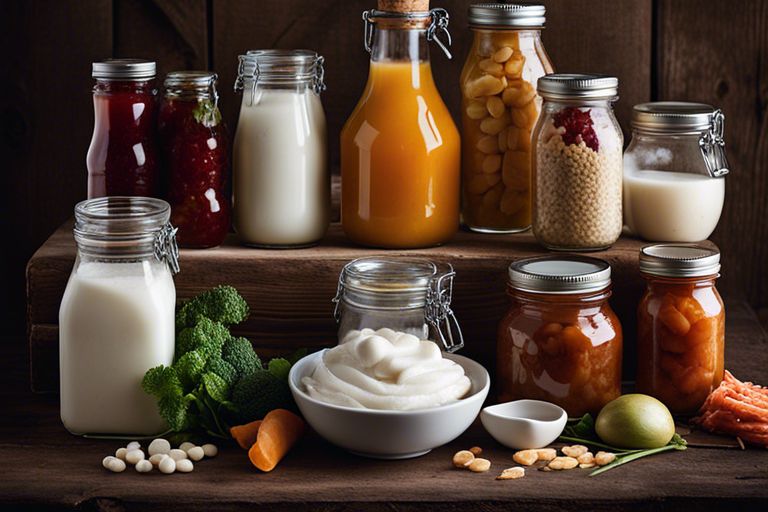
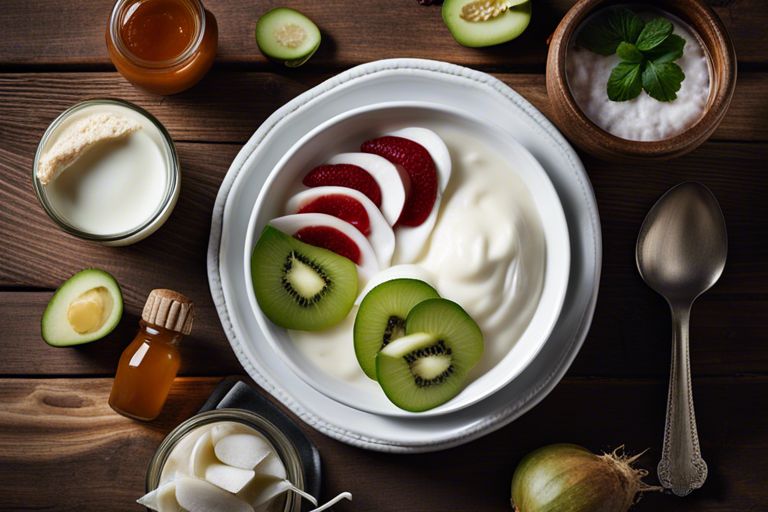
To get the most out of probiotics, it is important to choose products that contain strains known for their specific benefits. Incorporating probiotic-rich foods like yogurt, kefir, kombucha, and sauerkraut into your diet can help support a healthy gut microbiota and overall well-being. Additionally, probiotic supplements can be beneficial for addressing certain health issues or maintaining gut health.

The Aging Process

Even as you age, various biological processes occur in your body that contribute to the overall aging process. Two imperative factors in this process are cellular senescence and telomere shortening.

Cellular Senescence and Telomere Shortening

Cellular senescence refers to the state where cells stop dividing and enter a phase of growth arrest. Over time, as more cells become senescent, it can lead to impaired tissue repair and regeneration, contributing to the aging process. Telomeres, the protective caps at the end of chromosomes, shorten with each cell division. Eventually, when telomeres become critically short, cells can no longer divide, leading to cellular senescence.

Oxidative Stress and Inflammation

To maintain optimal function, your body needs a delicate balance of antioxidants and pro-inflammatory molecules. However, as you age, this balance can shift, leading to increased oxidative stress and inflammation. Oxidative stress occurs when there is an imbalance between the production of free radicals and the body’s ability to neutralize them with antioxidants. Chronic inflammation, on the other hand, can result from a prolonged immune response to harmful stimuli.

Another crucial aspect of aging is the role of oxidative stress and inflammation in the development of age-related diseases such as cardiovascular disease, diabetes, and neurodegenerative disorders. By disrupting cellular functions and promoting tissue damage, these processes can accelerate the aging process and contribute to the onset of various age-related conditions.

Probiotics and Gut Health

All Aging Skin: Can Probiotics Help? You might wonder how probiotics can impact your gut health and overall well-being. The gut is home to trillions of bacteria that play a crucial role in digestion, nutrient absorption, immune function, and even mood regulation. The Gut-Brain Axis is a complex communication network between your gut and brain, and the microbiome – the collection of microorganisms living in your gut – plays a significant role in this relationship.

The Gut-Brain Axis and Microbiome

Any disruption in the balance of gut bacteria can potentially affect your mental health, digestion, and immune system. Probiotics, known as the “good” bacteria, can help restore this balance and promote a healthy gut microbiome. By consuming probiotic-rich foods or supplements, you can support the diversity and abundance of beneficial bacteria in your gut, ultimately leading to improved overall health and well-being.

Modulation of Gut Microbiota by Probiotics

Microbiome Modulation by probiotics involves introducing specific strains of beneficial bacteria into your gut to enhance the existing microbial community’s composition. By supplementing with probiotics, you can increase the number of beneficial bacteria, such as Lactobacillus and Bifidobacterium, which can contribute to a healthier gut environment. These beneficial bacteria help in digestion, produce crucial vitamins, and support immune function, ultimately promoting better gut health and overall wellness.

Health Probiotics play a vital role in maintaining a healthy gut microbiome, which is crucial for your overall well-being. By incorporating probiotic-rich foods or supplements into your diet, you can support your gut health and potentially slow down the aging process by maintaining a balanced and diverse microbiota. Bear in mind, a healthy gut is key to a healthier, more youthful you!

Impact of Probiotics on Aging Biomarkers

Now, let’s explore how consuming probiotics can influence aging biomarkers.

Epigenetic Clock and Telomere Length

Epigenetic changes and telomere length are two critical markers of aging. Epigenetic clocks measure the biological age of cells based on changes in DNA methylation patterns, while telomeres are protective caps at the end of chromosomes that shorten with age. Studies have shown that probiotics may have a positive impact on both these biomarkers. By influencing gene expression patterns and reducing cellular stress, probiotics could potentially slow down the aging process at a molecular level.

Inflammation and Oxidative Stress Markers

To understand the impact of probiotics on aging, researchers have also examined markers of inflammation and oxidative stress. Chronic inflammation and oxidative damage are associated with various age-related diseases. Probiotics have been shown to modulate the immune response and reduce inflammation in the gut, which can have systemic effects on overall health and aging.

A recent study found that individuals who consumed probiotics for 12 weeks experienced a significant decrease in markers of inflammation such as C-reactive protein and interleukin-6. Additionally, oxidative stress levels were also reduced, indicating a potential protective effect of probiotics against cellular damage associated with aging.

By targeting these key biomarkers of aging, probiotics have the potential to promote healthy aging and improve overall well-being as you grow older. Incorporating probiotic-rich foods or supplements into your routine may offer a natural and effective way to support your body’s aging process.

Probiotics and Age-Related Diseases

Unlike traditional medicine, which often focuses on treating symptoms of diseases, probiotics offer a more holistic approach to health by targeting the root causes of age-related conditions. Research suggests that probiotics play a key role in preventing and even treating various age-related diseases, such as cancer, cardiovascular issues, and cognitive decline.

Cancer Prevention and Treatment

One area where probiotics show promise is in cancer prevention and treatment. Studies have indicated that certain probiotic strains can help modulate the immune response, reduce inflammation, and even inhibit the growth of cancer cells in the body. By incorporating probiotics into your daily routine, you may be able to support your body’s natural defenses against cancer and potentially reduce your risk of developing the disease.

Cardiovascular Health and Cognitive Function

Any discussion about aging would be incomplete without addressing the importance of cardiovascular health and cognitive function. Research has shown that the gut-brain axis plays a crucial role in maintaining cognitive function as you age. Additionally, probiotics have been linked to improvements in cholesterol levels, blood pressure, and overall heart health. By including probiotic-rich foods or supplements in your diet, you may be able to support both your heart and brain health as you grow older.

Treatment decisions should always be made in consultation with your healthcare provider, but incorporating probiotics into your daily routine may offer a natural and effective way to support your overall health and well-being as you age.

The Role of Probiotics in Skin Aging

Once again, the role of probiotics comes into play when considering their impact on skin aging. Probiotics have shown promise in improving various aspects of skin health, including collagen production and skin elasticity, as well as wound healing and skin barrier function.

Collagen Production and Skin Elasticity

With regards to collagen production and skin elasticity, probiotics can help maintain youthful-looking skin. Collagen is a protein that gives skin its firmness and elasticity. As you age, collagen production naturally decreases, leading to wrinkles and sagging skin. Probiotics have been found to help enhance collagen production in the skin, ultimately improving its elasticity and reducing the signs of aging.

Wound Healing and Skin Barrier Function

Role
With respect to wound healing and skin barrier function, probiotics play a crucial role in promoting skin health. Probiotics can help strengthen the skin’s natural barrier function, which is important for protecting against environmental aggressors and maintaining overall skin health. Additionally, probiotics have been shown to accelerate the wound healing process, making them a valuable asset in maintaining youthful and healthy skin.

Wound healing and maintaining skin barrier function are important aspects of skin health that can be influenced by probiotic consumption. By incorporating probiotics into your skincare routine or diet, you may be able to support these functions and promote healthier, more resilient skin.

Conclusion

The impact of consuming probiotics on aging is still a subject of ongoing research and scientific inquiry. While there is growing evidence to suggest that probiotics may have potential benefits for overall health and longevity, it is important to approach the consumption of these supplements with caution and understanding. Incorporating probiotics into your diet may support a healthy gut microbiome, which in turn could have positive effects on various aspects of aging.

However, it is crucial to remember that individual responses to probiotics can vary, and more research is needed to fully understand their potential impact on aging. As you consider incorporating probiotics into your daily routine, consult with a healthcare professional to determine the best approach for your specific health needs and goals. By staying informed and making informed decisions, you can empower yourself to make choices that support your overall well-being as you age.

Q: What are probiotics?

A: Probiotics are live bacteria and yeasts that are good for your health, especially your digestive system. They are often referred to as “good” or “friendly” bacteria because they help keep your gut healthy

Q: How do probiotics impact aging?

A: Consuming probiotics can have a positive impact on aging by improving gut health, boosting the immune system, reducing inflammation, and potentially helping to prevent age-related diseases.

Q: Are there any specific probiotic strains that are particularly beneficial for aging?

A: Some probiotic strains that have been shown to be beneficial for aging include Lactobacillus and Bifidobacterium species. These strains have been linked to improved gut health, better immune function, and reduced inflammation, all of which can help support healthy aging.

Skip to content