tips

10 Tips for Storing Wine Properly

As you build your wine collection, you want to ensure your bottles are stored in optimal conditions to preserve their quality and flavor. Your wine’s longevity and taste depend on how well you store it. You will learn how to create an ideal environment for your wine, from temperature control to lighting and handling, in this post, helping you to get the most out of your investment and enjoy your wine at its best.

Choosing the Right Storage Location

While selecting a storage location for your wine, consider the environment and potential factors that may affect your wine’s quality. You should opt for a cool, dark place with minimal vibrations and odors.

Temperature Control

Choosing the ideal temperature range is vital for preserving your wine’s flavor and aroma.

Ideal Temperature Wine Type
45-65°F (7-18°C) Most wine types

You can store your wine within this range for optimal conditions.

Humidity Levels

Similarly, managing humidity is vital for maintaining your wine’s quality. You should aim for a humid environment to prevent cork drying and wine oxidation.

For instance, a humidifier can help you maintain a stable humidity level between 50-70%, which is suitable for most wine types. You can monitor the humidity in your storage area and adjust it accordingly to ensure your wine ages perfectly.

Wine Rack Options

There’s a wide range of wine rack options available to suit your needs and personal style. You can choose from various materials, designs, and sizes to store your wine collection. Your wine rack should provide a stable and secure environment for your bottles, while also complementing your home decor.

Wooden Racks

Beneath the surface of wine storage, wooden racks offer a classic and elegant solution. Between the traditional and modern designs, you can find a wooden rack that fits your style and budget. You can opt for a simple and compact design or a larger, more elaborate one to showcase your wine collection.

Metal Racks

Prior to making a decision, consider the benefits of metal racks. Before investing in a wine rack, you should think about the durability and versatility of metal. You can find metal racks in various styles, from modern and sleek to industrial and edgy, to match your home decor and personal taste.

Rack selection is an important part of storing your wine properly, and metal racks offer a great option. You can choose from wall-mounted, floor-standing, or countertop metal racks, depending on your available space and the size of your wine collection. As you consider your options, think about the style and functionality that will work best for you and your wine storage needs.

Bottle Orientation and Storage

For optimal wine storage, you need to consider the position of your bottles. Proper orientation helps prevent corks from drying out and maintains the quality of your wine.

Horizontal Storage

Against the common misconception, storing bottles on their sides is not always the best option. However, if you do choose to store your bottles horizontally, make sure the cork is kept moist by storing the bottle on a slight incline.

Vertical Storage

Any wine bottle can be stored vertically, but this method is best suited for bottles with screw-top or synthetic corks. You can store these bottles upright without worrying about the seal being compromised.

Horizontal storage is often preferred, but if you do store your bottles vertically, you should be aware that the cork may dry out over time. You can mitigate this risk by storing your bottles in a humid environment, which will help keep the cork moist and your wine fresh. You should also check on your bottles periodically to ensure the corks are not drying out, and consider using a wine fridge or cellar with controlled humidity to store your bottles vertically.

Lighting and Vibration Considerations

Now that you have chosen the perfect location for your wine storage, it’s time to think about the environmental factors that can affect your wine’s quality. You need to consider lighting and vibration to ensure your wine ages properly.

Avoiding Direct Light

Avoiding harsh light is necessary for preserving your wine’s flavor and aroma. You should keep your wine away from direct sunlight and bright artificial light to prevent it from becoming over-oxidized.

Minimizing Vibrations

By reducing vibrations, you can help prevent your wine from becoming agitated, which can affect its quality. You can achieve this by storing your wine in a quiet area, away from heavy foot traffic and noisy appliances.

Due to the sensitive nature of wine, even small vibrations can cause the sediments to become disturbed, leading to a cloudy appearance and an unpleasant taste. You should take extra precautions to minimize vibrations, such as using shock-absorbing materials or storing your wine in a wine fridge with vibration-reducing technology, to ensure your wine remains stable and ages smoothly.

Wine Bottle Sealing and Handling

Not all wine bottles are created equal, and the type of seal can affect the aging process. You should consider the type of closure when storing your wine, as it can impact the overall quality and longevity of the wine.

Corked Wines

By contrast, corked wines require special attention to prevent oxidation and spoilage. You will need to ensure the cork remains moist to prevent it from drying out and compromising the seal.

Screw-Capped Wines

For screw-capped wines, you can be more confident in the seal’s integrity, but you should still handle them with care to avoid damage. You will want to store them in a way that prevents the caps from being dislodged or damaged.

Consequently, when storing screw-capped wines, you can focus more on the environmental factors, such as temperature and light, to ensure the wine ages properly. You can also consider the benefits of screw-capped wines, including reduced risk of cork taint and easier opening, making them a great option for your wine collection.

Organization and Inventory Management

After setting up your wine storage, you’ll want to focus on organization and inventory management. You can find helpful tips on this topic by visiting 10 Tips to Better Wine to improve your wine storage skills.

Labeling and Categorization

Among the most effective ways to manage your wine collection is by implementing a labeling and categorization system, allowing you to easily identify and locate specific bottles in your collection.

Tracking Wine Ages

On the topic of wine aging, it’s crucial to keep track of the age of each bottle to ensure you drink them at their optimal maturity.

Due to the varying aging requirements of different wines, you should keep a detailed record of the purchase date, storage conditions, and recommended drinking window for each bottle in your collection, enabling you to make informed decisions about when to drink or store your wines.

Final Words

With this in mind, you now have the knowledge to store your wine properly. You can ensure your wine ages well by following these 10 tips. Your wine collection will thank you, and you will be able to enjoy your favorite bottles for years to come. You will appreciate the effort you put into storing your wine when you taste the perfect glass. Your attention to detail will pay off, and you will become a true wine connoisseur.

The Best Tips for Perfectly Poached Eggs

As you launch on your culinary journey, you’ll find that mastering the art of poaching eggs is a skill that will elevate your breakfast dishes to new heights. You’re probably wondering how to achieve those perfectly cooked, runny yolks and set whites. For a wealth of information on Poached Eggs, visit expert advice on cooking Poached Eggs to get started. With a few simple techniques, you’ll be enjoying your perfectly poached eggs in no time, and your breakfasts will never be the same.

Choosing the Right Eggs

While selecting eggs for poaching, you want to make sure you’re getting the best quality. You’re looking for eggs that are fresh and have a good balance of texture and flavor.

Freshness Matters

Behind every great poached egg is a fresh egg, and you can ensure this by checking the pack date or choosing eggs from a local farm. You’ll be able to tell the difference in the taste and texture.

Egg Size and Type

Choosing the right egg size and type is important for achieving perfectly poached eggs. You’ll want to opt for large or extra-large eggs, as they have a better balance of whites and yolks, making them easier to poach.

Plus, when you select eggs that are the right size and type, you’ll find that they hold their shape better in the water, and the yolks will be creamier and more tender. You can experiment with different types of eggs, such as farm-fresh or organic, to find the ones that work best for your poaching technique.

Preparing the Water

Clearly, the key to perfectly poached eggs lies in the water. You want to create an environment that will gently cook your eggs to perfection.

Water Temperature and Acidity

Before you start, consider the ideal conditions for poaching eggs. The following table outlines the optimal water temperature and acidity:

Temperature Acidity
180-190°F Slightly acidic (add 1-2 tablespoons of vinegar)

This will help you achieve the perfect poach.

Adding Flavorings and Seasonings

For added depth of flavor, you can introduce various seasonings to your water. You can try adding herbs, spices, or other aromatics to create a delicious twist on the classic poached egg.

Indeed, the possibilities are endless when it comes to flavoring your poaching water. You can experiment with different combinations to find the one that suits your taste buds the best, and then adjust your technique accordingly to bring out the full flavor of your eggs. As you practice, you’ll find that your poached eggs will become more delicious and satisfying, and you’ll be delighted with the results.

Creating a Gentle Flow

Now that you’re ready to poach your eggs, it’s necessary to create a gentle flow in the water. This will help your eggs cook evenly and prevent them from breaking apart.

Whirlpool Technique

Onto the next step, you’ll want to create a whirlpool in the water by stirring it in one direction with a spoon. This will help keep your egg white from spilling out into the water.

Water Circulation Methods

Among the various methods for creating a gentle flow, you’ll find that using a gentle stream of water or a poaching cup can be quite effective. You’ll be able to achieve a beautiful, delicate poach with minimal effort.

Methods like these will allow you to control the flow of water, ensuring your eggs are cooked to perfection. You can experiment with different techniques to find what works best for you, and with a little practice, you’ll be poaching eggs like a pro in no time, with your delicate egg whites and runny yolks a true delight to behold.

Cracking and Cooking

All the effort you put into preparing your eggs will pay off in this step, where you’ll learn to crack and cook them to perfection. Your goal is to create a delicate, runny yolk and a set white, and it’s easier than you think.

Gently Cracking the Egg

Around the time you’re ready to cook, gently tap the egg on a flat surface to create a small crack, then open it into a bowl of water to check for any shell fragments, ensuring your poached egg is shell-free and beautiful.

Cooking Time and Temperature

Alike a pro, you’ll want to get the cooking time and temperature just right, which can be achieved by following this

Cooking Guide

Time Temperature
3-5 minutes 180-190°F

, and adjusting to your liking.

In addition to the guide, you can also use this

Temperature Control

Desired Doneness Temperature
Soft-poached 160-170°F
Medium-poached 170-180°F

to achieve your perfect poached egg, and don’t worry, with a little practice, you’ll be a pro in no time, and your breakfast dishes will never be the same, as you’ll be able to create a delicious, perfectly poached egg every time, just like a French chef, and you’ll enjoy every bite of your carefully prepared meal.

Removing and Serving

Many cooks fret about removing poached eggs from the water, but with a slotted spoon, you’ll find it’s quite straightforward. Gently lift your egg from the water, taking care not to break the yolk.

Scooping and Draining

Above all, after cooking your egg to perfection, use the slotted spoon to scoop it out of the water, allowing excess water to drain off, then place it on a paper towel-lined plate to drain further.

Presentation and Garnishes

Behind a beautifully presented poached egg lies a simple yet effective approach: you can place your egg on toasted bread, or on a bed of greens, and add your choice of garnishes, such as chopped herbs or a sprinkle of paprika.

Consequently, as you master the art of presenting your poached eggs, you’ll find that the options for garnishes and accompaniments are endless, and you can tailor your dish to suit your taste, whether you prefer a classic eggs Benedict or a simple, elegant snack, allowing you to experiment and find your perfect combination.

Common Mistakes to Avoid

Not following proper techniques can lead to disappointing results when poaching eggs. You’ll want to steer clear of pitfalls that can make your eggs unpleasant to eat.

Overcooking and Undercooking

Across the board, cooking time is necessary, and you should aim for a delicate balance when poaching your eggs, as overcooking can make them tough and undercooking can leave them runny.

Egg White Breakage and Other Issues

Similarly, common problems like egg white breakage can be frustrating, but you can minimize these issues by using fresh eggs and gently adding them to the water.

Another aspect to consider when dealing with egg white breakage is the water temperature and acidity, as you can add vinegar to the water to help the whites set faster, making your poached eggs look more appealing and taste better, and with a little practice, you will master the technique and achieve perfectly poached eggs every time.

Final Words

With these considerations, you’ll be well on your way to creating perfectly poached eggs every time. You’ll delight in your newfound skill, and your breakfast dishes will shine. As you practice, your technique will become more confident, and you’ll enjoy the simple pleasure of a beautifully poached egg, just the way you like it. Your mornings will be brighter, and your taste buds will thank you, bon appétit!

The Best Tips for Cooking Gluten-Free Meals

As you begin on your gluten-free journey, you’ll discover a new world of culinary possibilities. You’ll need to adapt your cooking techniques and ingredient selections to accommodate your dietary needs. Your goal is to create delicious, safe meals that cater to your requirements. By following expert advice and simple guidelines, you can master the art of gluten-free cooking and enjoy your favorite dishes without compromising your health or flavor preferences. You will learn how to make this transition seamless and enjoyable.

Essential Ingredients

A well-stocked pantry is key to cooking delicious gluten-free meals. You’ll need to focus on gluten-free grains, alternative flours, and other imperatives to create tasty dishes.

Gluten-Free Grains

Besides rice, you can use quinoa, corn, and amaranth as gluten-free grain options, adding variety to your meals.

Alternative Flours

Above all, you’ll need to experiment with different flours, such as almond, coconut, or rice flour, to find the ones that work best for you.

For instance, when using alternative flours, you may need to adjust the ratio of flours and add xanthan gum or guar gum to achieve the right texture, so it’s imperative to understand how to work with these ingredients to get the best results from your gluten-free recipes.

Meal Planning

If you’re new to gluten-free cooking, planning your meals in advance can help you stay on track. You can find inspiration and guidance on Loving Your Food and Your Life Through Gluten Free Cooking to make meal planning easier.

Breakfast Ideas

Planning your breakfasts in advance can help you start your day off right with delicious gluten-free options like pancakes, waffles, or omelets.

Lunch and Dinner Options

Along with breakfast, you’ll want to plan your lunches and dinners to ensure you’re getting the nutrients you need while avoiding gluten.

Further, considering your dietary needs and preferences, you can explore a variety of gluten-free lunch and dinner options, such as salads, stir-fries, or grilled meats, and make a plan that works best for you and your lifestyle.

Cooking Techniques

After mastering gluten-free ingredients, you’ll want to focus on cooking techniques that bring out the best flavors in your dishes. You’ll find that some methods work better than others, and it’s imperative to understand the basics to achieve success in your gluten-free cooking journey.

Baking and Roasting

Around the globe, baking and roasting are popular techniques for preparing gluten-free meals. You can use your oven to cook a variety of dishes, from roasted vegetables to baked fish, and even gluten-free bread.

Sauteing and Stir-Frying

By experimenting with sauteing and stir-frying, you’ll discover new ways to add flavor and texture to your gluten-free meals. You can quickly cook your ingredients in a wok or large skillet, making it an ideal method for busy weeknights.

Considering the speed and versatility of sauteing and stir-frying, you’ll find that these techniques are perfect for cooking a wide range of gluten-free ingredients, from vegetables and meats to tofu and seafood. You can easily adjust the cooking time and heat to suit your ingredients, ensuring that your dishes turn out perfectly cooked and full of flavor.

Tips for Avoiding Cross-Contamination

Your kitchen can be a breeding ground for gluten contamination, so it’s crucial to take precautions. Consider the following:

  • Designate a gluten-free zone
  • Use separate utensils and equipment

Perceiving the risks of cross-contamination will help you take the necessary steps to prevent it.

Kitchen Setup

Around the same time you’re planning your meals, think about your kitchen setup and how you can minimize the risk of cross-contamination by separating your gluten-free foods and equipment.

Food Handling

Approximately the same way you handle other food safety precautions, you should handle gluten-free food with care, storing it in a dedicated area and labeling it clearly to avoid mix-ups.

Plus, when handling gluten-free food, you should always wash your hands thoroughly before and after handling, and make sure to clean any surfaces or equipment that may have come into contact with gluten, this will help you to maintain a safe and healthy gluten-free kitchen environment for you and your family.

Delicious Desserts

Unlike other courses, desserts can be particularly challenging to make gluten-free, but with the right ingredients and techniques, you can create sweet treats that are just as delicious as their traditional counterparts.

Cakes and Cupcakes

Cupcake-like treats can be made using gluten-free flours, such as almond or coconut flour, and can be just as moist and flavorful as traditional cupcakes, allowing you to enjoy your favorite desserts without worrying about gluten.

Pies and Tarts

Beneath the surface of a traditional pie or tart lies a gluten-filled crust, but you can easily make your own gluten-free crust using alternative ingredients, giving you the freedom to enjoy your favorite pies and tarts.

Hence, when making pies and tarts, you’ll want to focus on finding the right combination of ingredients to create a flaky and flavorful crust that complements your filling, and with a little experimentation, you can create gluten-free pies and tarts that are just as delicious as traditional ones, allowing you to enjoy your favorite desserts without sacrificing taste or texture.

Special Diets

For individuals with multiple dietary restrictions, cooking gluten-free meals can be challenging. You need to consider other dietary needs, such as vegan or low-carb requirements, to create a balanced meal.

Vegan and Gluten-Free

Around the world, many people follow a vegan diet, and combining it with gluten-free requirements can be complex. You will need to find alternative protein sources and grains that are both vegan and gluten-free to create a well-rounded meal.

Low-Carb and Gluten-Free

Beside the challenge of finding gluten-free ingredients, you also need to limit your carb intake, which can be difficult when avoiding gluten. You will need to focus on whole foods like meats, vegetables, and healthy fats to create a low-carb and gluten-free meal.

Further, when following a low-carb and gluten-free diet, you should pay attention to the ingredient labels and nutrition facts to ensure that you are meeting your dietary needs. You can also experiment with new ingredients like cauliflower rice and zucchini noodles to add variety to your meals.

Final Words

Now that you have explored the best tips for cooking gluten-free meals, you can confidently prepare delicious and safe dishes for yourself and others. You will find that with practice, your skills and knowledge will grow, allowing you to experiment with new ingredients and recipes. By following these tips, you will be able to create a variety of gluten-free meals that are both healthy and enjoyable, making your culinary journey a success.

The Best Tips for Baking With Yeast

As you investigate into the world of yeast baking, you’ll discover that achieving perfect results requires a bit of know-how. You’ll need to understand how to handle yeast, create the right environment, and monitor your dough’s progress. With your skills and patience, you can master the art of baking with yeast, producing delicious treats that impress. Your journey begins here, where you’ll learn the expert tips and techniques to take your baking to the next level.

Introduction to Yeast Baking

While getting started with yeast baking, you’ll find a wealth of information online, including Yeast – Tips, Tricks and Beginner recipes that can guide you through the process.

subsection: Essential Ingredients for Yeast Baking

Above all, you need to have the right ingredients, including yeast, flour, and sugar, to create a delicious baked good that rises to perfection.

subsection: Setting Up Your Baking Environment

An ideal baking environment is one that is warm, draft-free, and equipped with the necessary tools, allowing you to focus on your craft and produce high-quality baked goods.

But as you set up your baking environment, consider the specific needs of your yeast, such as temperature and humidity, to ensure that it activates and ferments properly, resulting in a light and airy texture in your finished product.

Introduction to Yeast Baking

There’s a lot to consider when baking with yeast, but with the right techniques and ingredients, you can achieve professional-grade results in your own kitchen. You’ll need to understand the basics of yeast, including how it works and how to handle it, to get started.

subsection: Choosing the Right Type of Yeast

Any given recipe will likely specify the type of yeast to use, but it’s good to know the differences between active dry, instant, and fresh yeast, so you can make informed decisions when substituting or experimenting with your own recipes, allowing you to choose the best type for your needs.

subsection: Measuring and Mixing Techniques

To get the best results from your yeast, you need to measure ingredients accurately and mix them correctly, ensuring your dough comes together smoothly and evenly, which will help you achieve the texture and flavor you want in your finished baked goods, and you can use your skills to adjust recipes to suit your tastes.

Plus, as you become more comfortable with measuring and mixing, you can start to experiment with new ingredients and techniques, such as using different types of flour or adding flavorings, to create unique and delicious yeast-baked goods that showcase your skills and creativity, and you will be able to produce a wide range of treats that you and your loved ones will enjoy.

Introduction to Yeast Baking

All about baking with yeast starts with understanding the basics. You will need to create a perfect dough, manage temperature and rising time, and ensure your yeast is activated.

subsection: Tips for Creating the Perfect Dough

All aspects of dough creation are important, you should:

  • use warm water
  • add yeast gradually

. Knowing these tips will help you achieve the best results.

subsection: Managing Temperature and Rising Time

Among the factors that affect yeast baking, temperature and rising time are key. The Yeast Baking Table below outlines the ideal conditions:

Temperature Rising Time
25-30°C 1-2 hours

You can adjust these conditions based on your specific needs.

subsection: Managing Temperature and Rising Time

subsection of yeast baking involves managing temperature and rising time. The Yeast Baking Conditions table below provides more information:

Factor Effect
Temperature Affects yeast activity
Rising Time Influences dough texture

You can use this information to optimize your baking process.

Introduction to Yeast Baking

Not many baking techniques can be as rewarding as working with yeast, and with practice, you will master the art of creating delicious treats that will impress your friends and family.

subsection: Shaping and Decorating Your Creations

Across the various types of yeast baking, shaping and decorating your creations can add an extra layer of enjoyment to the process, and you will find that as you become more confident in your skills, you can experiment with different shapes and designs to make your baked goods truly unique.

subsection: Common Mistakes to Avoid in Yeast Baking

Decorating your baking space with the right tools and ingredients is just the beginning, and as you start baking, you will need to be mindful of common mistakes that can affect the quality of your yeast-based creations, such as overmixing or using the wrong type of yeast.

And as you continue to hone your yeast baking skills, you will become more aware of the potential pitfalls that can lead to disappointing results, such as inactive yeast, incorrect temperatures, or insufficient rising time, and by being aware of these common mistakes, you can take steps to avoid them and consistently produce delicious, high-quality baked goods that you will be proud to share with others.

Advanced Baking Techniques

After mastering the basics of baking with yeast, you can move on to more complex recipes and techniques.

subsection: Advanced Techniques for Experienced Bakers

Across the various methods, you’ll find that:

  1. Ingredients
  2. Instructions
Techniques

Method Description
Autolyse Mixing flour and water

to help you improve your baking skills.

subsection: Experimenting with New Flavors and Ingredients

Experienced bakers know that trying new flavors and ingredients can lead to exciting discoveries.

This is where you can get creative and experiment with different combinations to find your unique style, as you explore various flavors and ingredients to enhance your yeast baking skills, you will develop a deeper understanding of how different components interact with each other, allowing you to make adjustments and create your own signature recipes.

Mastering Yeast Baking

Once again, you’ll find that practice makes perfect when it comes to baking with yeast, so don’t be discouraged if your first loaves don’t turn out as expected – keep trying and you’ll soon develop the skills and intuition you need to produce delicious bread consistently.

subsection: Troubleshooting Common Yeast Baking Issues

Issues arise when yeast doesn’t activate or dough doesn’t rise as expected, but you can resolve these problems by checking your yeast’s expiration date, ensuring the right temperature and ingredients, and adjusting your technique as needed to get your bread to turn out light and fluffy.

subsection: Resources for Further Learning and Improvement

On your journey to becoming a skilled yeast baker, you’ll find a wealth of information online, in books, and through baking classes that can help you refine your skills and try new recipes, from classic sourdough to decadent pastries.

Even with experience, you’ll likely want to continue learning and expanding your yeast baking repertoire, and fortunately, there are many resources available to help you do just that, including online forums, social media groups, and workshops where you can connect with other bakers, share tips, and learn from their experiences.

To wrap up

On the whole, you now have the necessary knowledge to excel in baking with yeast. You can apply your skills to create delicious treats, and with practice, your baked goods will improve. As you experiment with different recipes, you will develop your own techniques, and your patience will be rewarded with perfect loaves and pastries, making your baking experience more enjoyable and satisfying, and allowing you to share your creations with others.

The Best Tips for Creating a Chocolate Fountain

Preparing for the Fountain

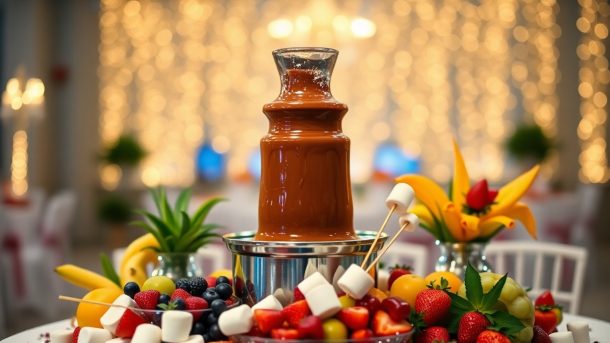
For a successful chocolate fountain, you’ll want to start by gathering all the necessary ingredients and equipment, and getting your space ready for the festivities, so you can focus on the fun part – creating a delicious and decadent chocolate experience for your guests.

Choosing the Right Chocolate

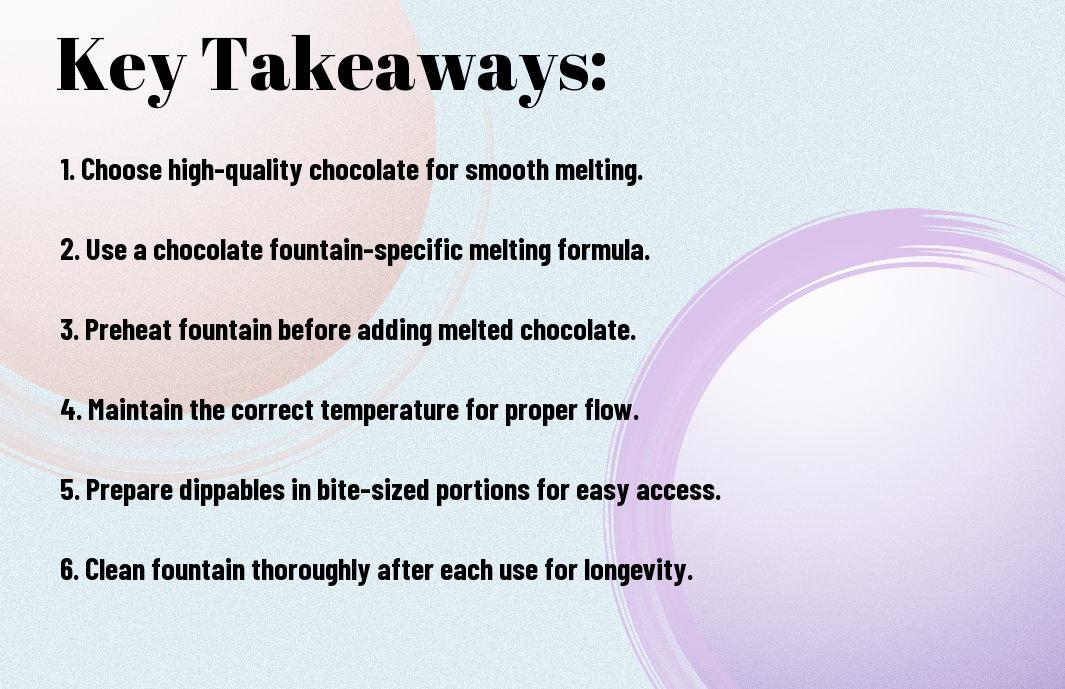
Apart from the equipment, selecting the right type of chocolate is vital, as you want to ensure it has the perfect balance of flavor and texture to flow smoothly through your fountain, and you’ll find that high-quality chocolate with a high cocoa content works beautifully.

Setting Up the Equipment

Around the time you’re setting up your fountain, you’ll want to make sure all the components are properly assembled and in working order, so you can achieve a smooth and even flow of chocolate, and this includes placing the fountain on a stable surface and plugging it in.

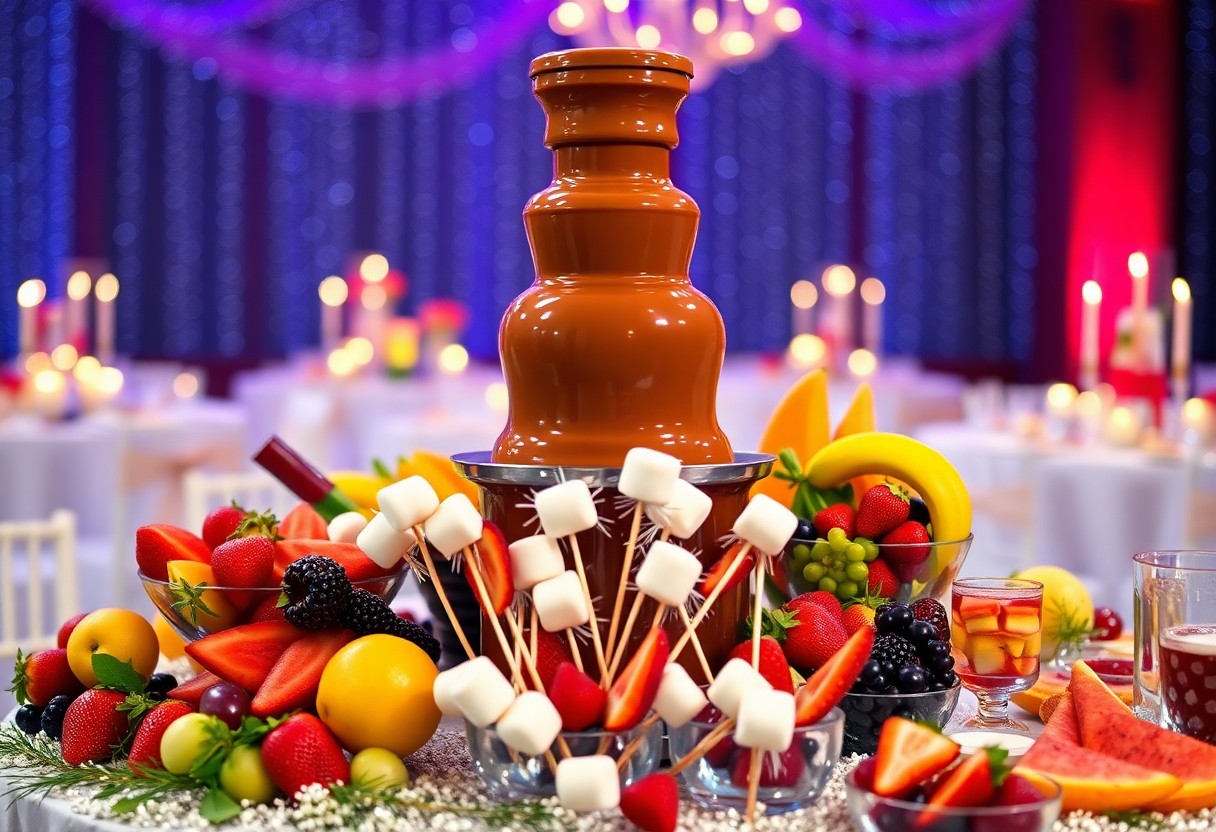
In fact, as you set up your equipment, you’ll want to consider the placement of the fountain in relation to your guests, making sure it’s easily accessible and visible, so everyone can enjoy the delightful experience of dipping fresh fruits, marshmallows, or cakes into the flowing chocolate, and you’ll find that a little planning ahead of time will make all the difference in creating a memorable and indulgent treat for your gathering.

Creating the Perfect Flow

Assuming you’ve chosen the right chocolate, visit Chocolate fountain – which chocolate? any tips? for inspiration. You’ll want to ensure a smooth, velvety flow from your fountain, and this is where the fun begins!

Temperature Control

Below is a table outlining the ideal temperatures for your chocolate fountain:

Chocolate Type Temperature
Milk Chocolate 105°F – 115°F
115°F – 120°F

Fountain Maintenance

Around the time you start using your fountain, you’ll notice it needs regular cleaning to prevent clogging. Be sure to wipe it down after each use.

Hence, as you continue to use your chocolate fountain, you’ll find that maintaining it is quite easy. You’ll need to check the temperature regularly and clean the fountain after each use to ensure your chocolate flows smoothly and your guests enjoy the experience. You can also use a soft brush to clean hard-to-reach areas, making your fountain a delightful addition to any gathering.

Dipper’s Delight

Your chocolate fountain is sure to be a hit with the right dipping options, and that’s where the fun really begins, as you get to choose your favorite treats to indulge in.

Fresh Fruits and Treats

For a light and refreshing option, consider adding fresh fruits like strawberries, grapes, or pineapple to your dipping selection, as they pair perfectly with the rich, velvety chocolate.

Cake and Cookie Options

Fresh from the oven, cake and cookie pieces make an excellent choice for dipping, offering a delightful textural contrast to the smooth chocolate, and you can choose from a variety of flavors to complement your chocolate fountain.

Indeed, when it comes to cake and cookie options, you have a wide range of choices, from classic vanilla or chocolate cake to more decadent options like brownies or cheesecake, and you can even get creative with cookie flavors like peanut butter or oatmeal raisin, so don’t be afraid to experiment and find your perfect match.

Tips and Tricks

All you need to create a stunning chocolate fountain is a little practice and patience. Here are some tips:

  • Choose high-quality chocolate
  • Experiment with flavors

. Assume that with these tips, your chocolate fountain will be a hit at any party.

Common Mistakes to Avoid

Mishaps can happen, but you can prevent them by using the right equipment and following the instructions. Make sure your chocolate is at the right temperature and your fountain is clean.

Creative Ideas to Impress

Incredible ideas await you, from colorful fruit arrangements to decadent chocolate dips. You can customize your fountain to fit your party theme.

Avoid overcomplicating your design, and focus on simple, elegant ideas that will wow your guests. You can try adding nuts, marshmallows, or even popcorn to create a unique and delicious experience, and with a little creativity, your chocolate fountain will be the talk of the town, and you’ll be the host with the most.

Safety First

Many accidents can be avoided when working with a chocolate fountain, so take a moment to consider the potential hazards before you begin. You want your chocolate fountain experience to be enjoyable and stress-free, so it’s worth taking the time to think about safety.

Electrical Safety Precautions

By taking a few simple precautions, you can significantly reduce the risk of electrical shock or other accidents. You should always place your chocolate fountain on a stable, level surface, away from water and other hazards.

Cleaning and Sanitizing

Precautions should also be taken when it comes to cleaning and sanitizing your chocolate fountain, as you will be working with food and electrical equipment. You’ll want to make sure all surfaces are clean and sanitized before and after use.

With your chocolate fountain, cleaning and sanitizing are especially important, as chocolate can be a breeding ground for bacteria. You’ll want to wash all surfaces with warm soapy water, and sanitize them with a mixture of water and vinegar, to keep your fountain in good working order and your guests safe. As you clean and sanitize, you’ll be ensuring a healthy and enjoyable experience for everyone involved.

Presentation Matters

Now that you’ve set up your chocolate fountain, it’s time to think about presentation. You want your fountain to be the centerpiece of the party, and with a little creativity, it can be a stunning addition to your gathering.

Decorating the Fountain

Around the fountain, you can add some decorative elements, such as fresh flowers or greenery, to create a beautiful and inviting display. Your chocolate fountain will be the star of the show, and with a little embellishment, it will be truly dazzling.

Displaying the Dippers

Following the fountain’s setup, you’ll want to arrange your dippers in an attractive way. Your assortment of fruits, marshmallows, and cakes should be visually appealing and easily accessible to your guests.

The way you display your dippers can add to the overall ambiance of your party. You can arrange them in small bowls or on a tiered server, making it easy for you to grab your favorite treat and dip it in the rich, velvety chocolate. As you consider your dipper display, think about the colors and textures you can combine to create a beautiful and tempting spread that will delight your guests and make them eager to indulge in the chocolatey goodness.

Final Words

Considering all points, you now have the secrets to creating a dazzling chocolate fountain that will impress your guests. With your newfound knowledge, you can confidently set up a decadent display that will satisfy your sweet tooth and leave a lasting impression. You’ve got the tools to make your next gathering a chocolatey success, so go ahead and indulge in the sweet life – your guests will thank you!

Skip to content