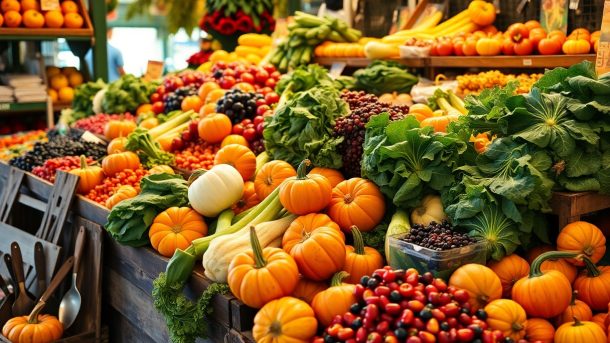
As you explore the world of cooking, you’ll discover that using seasonal ingredients can elevate your dishes to the next level. You’ll find that your meals are more flavorful and nutritious when made with fresh, locally sourced produce. By incorporating seasonal ingredients into your cooking routine, you’ll not only support local farmers but also reduce your environmental impact. In this post, you’ll learn how to make the most of your local market’s offerings and create delicious meals that showcase the best of each season.
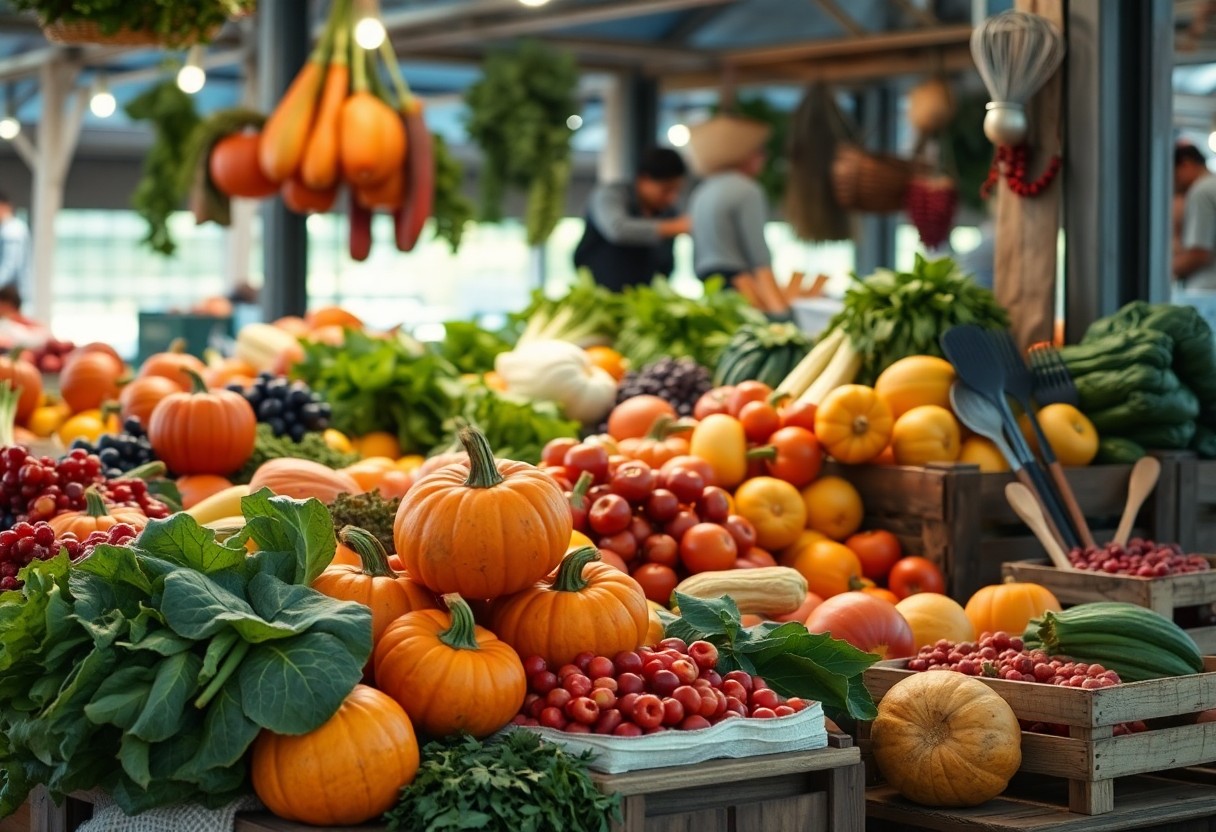
Springtime Delights
While exploring the world of seasonal cooking, you’ll discover the joys of springtime ingredients. As the weather warms up, your kitchen can come alive with vibrant flavors and colors.
Incorporating Fresh Herbs
Almost any dish can be elevated by the addition of fresh herbs, and you can use them to add depth and complexity to your springtime recipes. You can grow your own herbs or find them at your local farmer’s market.
Seasonal Fruits and Vegetables
Freshly available produce like asparagus, strawberries, and rhubarb can inspire your springtime cooking. You can use these ingredients to create delicious salads, desserts, and main courses that showcase the best of the season.
Springtime brings a wide variety of seasonal fruits and vegetables to your table, and you can experiment with new recipes and flavors. You can try pairing sweet strawberries with tangy rhubarb, or grilling asparagus to bring out its natural sweetness, and your dishes will be filled with the fresh flavors of the season.
Summer Harvest
Some of the freshest ingredients are available during the summer season, making it an exciting time to cook with seasonal ingredients. You can find a variety of colorful vegetables, juicy fruits, and fragrant herbs at your local market.
Grilling and Roasting
Taking advantage of the summer weather, you can try grilling and roasting your favorite ingredients to bring out their natural flavors. You will find that your dishes are elevated with the smoky flavor of grilled meats and the caramelized taste of roasted vegetables.
Chilled Soups and Salads
After a long day, you can cool down with a refreshing chilled soup or salad made with summer’s bounty. You can puree your favorite vegetables and herbs to create a soothing soup, or combine them with mixed greens for a healthy salad.
Indeed, chilled soups and salads are perfect for hot summer days, and you can get creative with your ingredients. You can add a splash of citrus, a dollop of yogurt, or a sprinkle of fresh herbs to give your dish a burst of flavor, making your summer meals a delightful experience.
Autumn Abundance
Once again, the seasons change, and your kitchen is filled with the flavors of autumn. You’ll find an array of vibrant ingredients, from juicy apples to plump squash, perfect for creating hearty and comforting dishes.
Hearty Stews and Braises
Besides the comforting warmth, stews and braises offer a great way to cook with seasonal ingredients. You can combine your favorite autumnal produce, such as carrots and parsnips, with tender meat for a satisfying meal.
Roasted Root Vegetables
Rooted in tradition, roasted root vegetables are a staple of autumn cooking. You can toss your favorite roots, like beets and sweet potatoes, in olive oil and seasonings, then roast to perfection.
For instance, you can experiment with different seasoning blends, such as cumin and coriander, to add depth to your roasted root vegetables. You’ll discover that the natural sweetness of the roots pairs beautifully with the warmth of autumn spices, creating a truly delicious and satisfying side dish that complements your favorite meals.
Winter Warmth
Unlike other seasons, winter offers a unique opportunity to cook hearty, comforting dishes. You can find plenty of inspiration for seasonal recipes at Seasonal recipe ideas to warm your kitchen and your belly.
Comforting Casseroles
Casseroles are a staple of winter cooking, and you can create delicious, satisfying meals by layering your favorite ingredients in a dish. You’ll love the rich flavors and aromas that fill your kitchen as your casserole bakes to perfection.
Soups and Stews for Cold Nights
On chilly evenings, a warm bowl of soup or stew is just what you need to feel cozy. You can choose from a variety of ingredients, such as beans, vegetables, and lean proteins, to create nourishing meals that will become your winter favorites.
Due to the cold weather, you’ll appreciate the convenience of slow-cooked soups and stews that simmer on your stovetop or in your slow cooker, filling your home with inviting aromas and providing you with a comforting, warming meal after a long day.
Preserving the Seasons
After you’ve enjoyed the freshest flavors of the season, consider preserving some ingredients for later use. This way, you can savor your favorite flavors year-round and make the most of your seasonal ingredients.
Canning and Freezing
Beneath the surface of preserving lies a world of possibilities, including canning and freezing, which allow you to store your seasonal ingredients for extended periods, keeping their flavors and nutrients intact, and enabling you to incorporate them into your cooking throughout the year.
Pickling and Dehydrating
For achieving long-term preservation, pickling and dehydrating are excellent methods, as they not only preserve your ingredients but also add new dimensions to their flavors and textures, giving you a wide range of creative options for your dishes.
Consequently, as you explore pickling and dehydrating, you’ll find that these methods can elevate your cooking, allowing you to experiment with novel flavors and ingredients, and to add unique twists to your favorite recipes, making your culinary creations even more engaging and delicious.
Meal Planning and Budgeting
For effective cooking with seasonal ingredients, you need to plan your meals and budget accordingly. This involves researching recipes, creating a shopping list, and allocating a specific budget for your ingredients. By doing so, you can ensure that you stay within your means while still enjoying delicious and healthy meals made with fresh, seasonal produce.
Shopping at Farmer’s Markets
Along with visiting local grocery stores, you can also explore farmer’s markets to find the best seasonal ingredients. These markets often offer a wide variety of fresh produce, meats, and dairy products, allowing you to choose the freshest ingredients for your meals. You can interact with the farmers, learn about their produce, and get tips on how to use them in your cooking.
Reducing Food Waste
Between planning your meals and shopping for ingredients, you can take steps to reduce food waste in your kitchen. You can use up leftover ingredients in creative ways, such as turning last night’s dinner into tomorrow’s lunch. This not only saves you money but also helps reduce your environmental impact.
Shopping smartly is key to reducing food waste. You can start by planning your meals for the week, making a list of the ingredients you need, and sticking to it when you’re at the store. You can also shop your fridge and pantry first to use up ingredients that are already on hand, and consider buying “ugly” or imperfect produce, which is often cheaper and just as nutritious as its perfect counterparts. By taking these steps, you can help reduce food waste and make the most of your seasonal ingredients.
Summing up
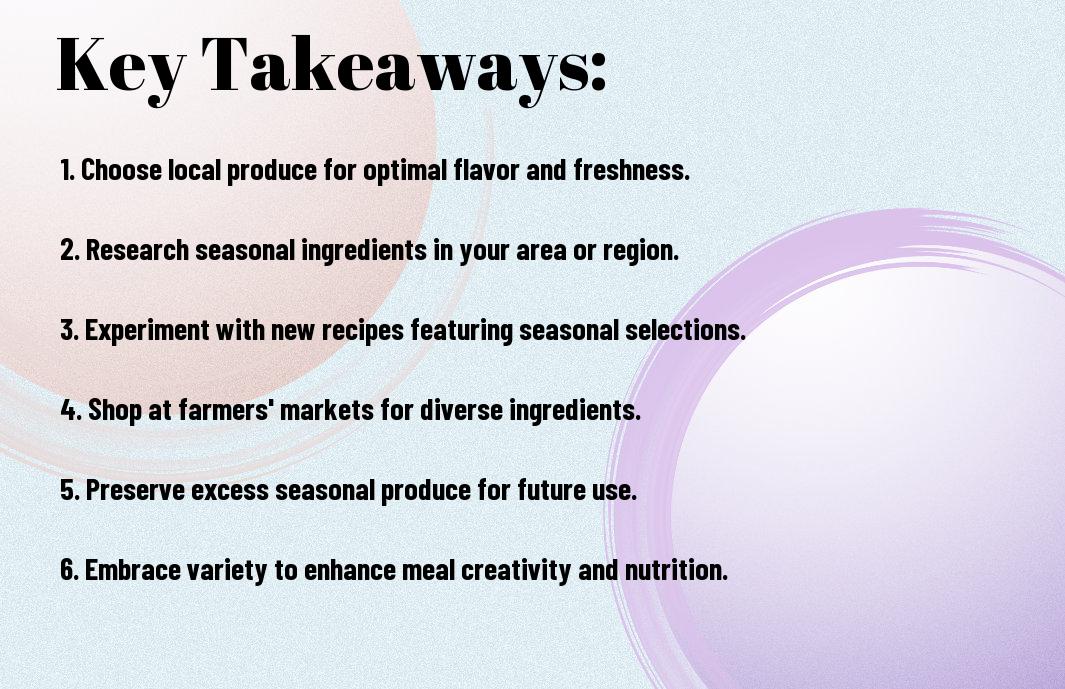
Considering all points, you now have a solid foundation for cooking with seasonal ingredients. You can elevate your dishes by incorporating fresh, locally sourced produce into your recipes. By doing so, you will not only enjoy better flavors, but also support your local community and reduce your environmental impact. Your cooking will become more vibrant and dynamic, as you experiment with the unique flavors of each season.