Healthy

The Best Food Pairings for Healthy Meals

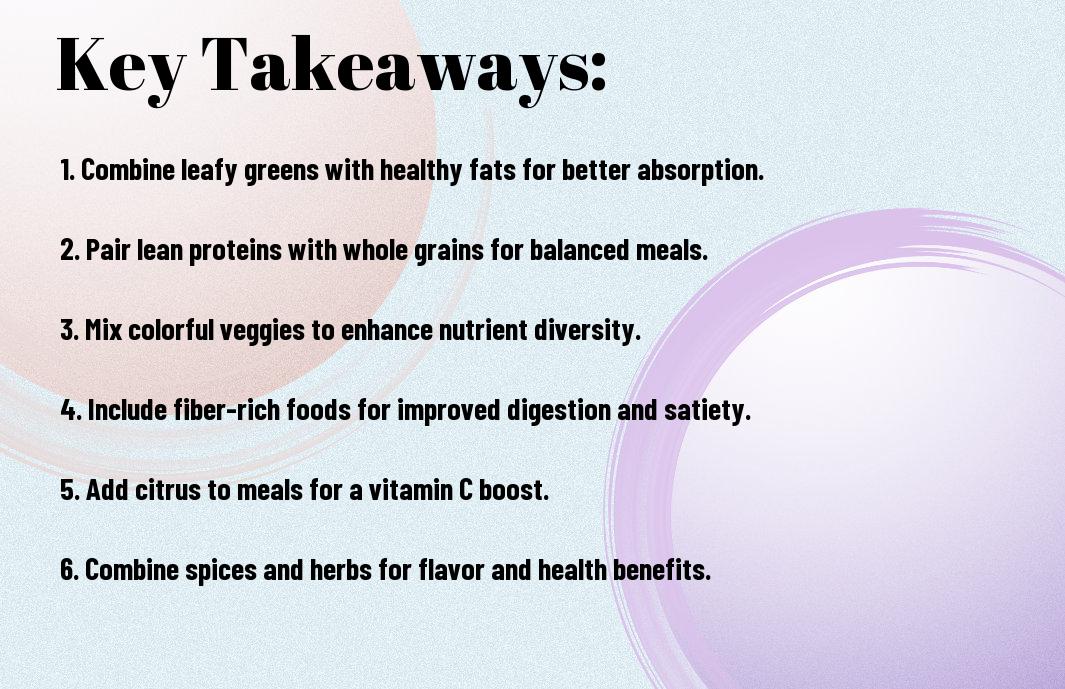
As you strive to create nutritious meals, you’re likely aware that certain food combinations can enhance the nutritional value of your diet. You can boost your overall health by choosing the right food pairings, and your body will benefit from the synergy of complementary nutrients. By understanding which foods work well together, you can create delicious and healthy meals that support your well-being and provide your body with the crucial nutrients it needs to thrive.

Beneficial Breakfast Pairings

For a nutritious start to your day, choosing the right breakfast pairings is important. You can combine foods to boost your energy and support your overall well-being.

Fruits and Nuts

Pairing foods like bananas with almonds can enhance your breakfast experience, providing you with a mix of natural sugars, healthy fats, and protein to keep you satisfied until lunchtime.

Whole Grains and Proteins

For a balanced breakfast, you can combine whole grains like oatmeal with protein sources such as eggs or Greek yogurt, giving you a filling and nutritious start to your day.

In addition, when you pair whole grains with proteins, you can experience improved digestion and satiety, helping you make healthier choices throughout the day and supporting your overall health goals, as you navigate your busy schedule and make decisions about your diet, you can feel confident that your breakfast is providing you with the necessary foundation for a productive day.
Nutritious Lunch Options

Some of the healthiest lunch options include balanced meals that combine protein, healthy fats, and complex carbohydrates. You can create your own nutritious lunches by pairing whole foods like vegetables, lean meats, and whole grains.

Vegetables and Legumes

Around a quarter of your plate should be filled with a variety of colorful vegetables and legumes, providing your body with vital vitamins and minerals. You can choose from a wide range of options, including leafy greens, broccoli, and lentils.

Lean Meats and Whole Grains

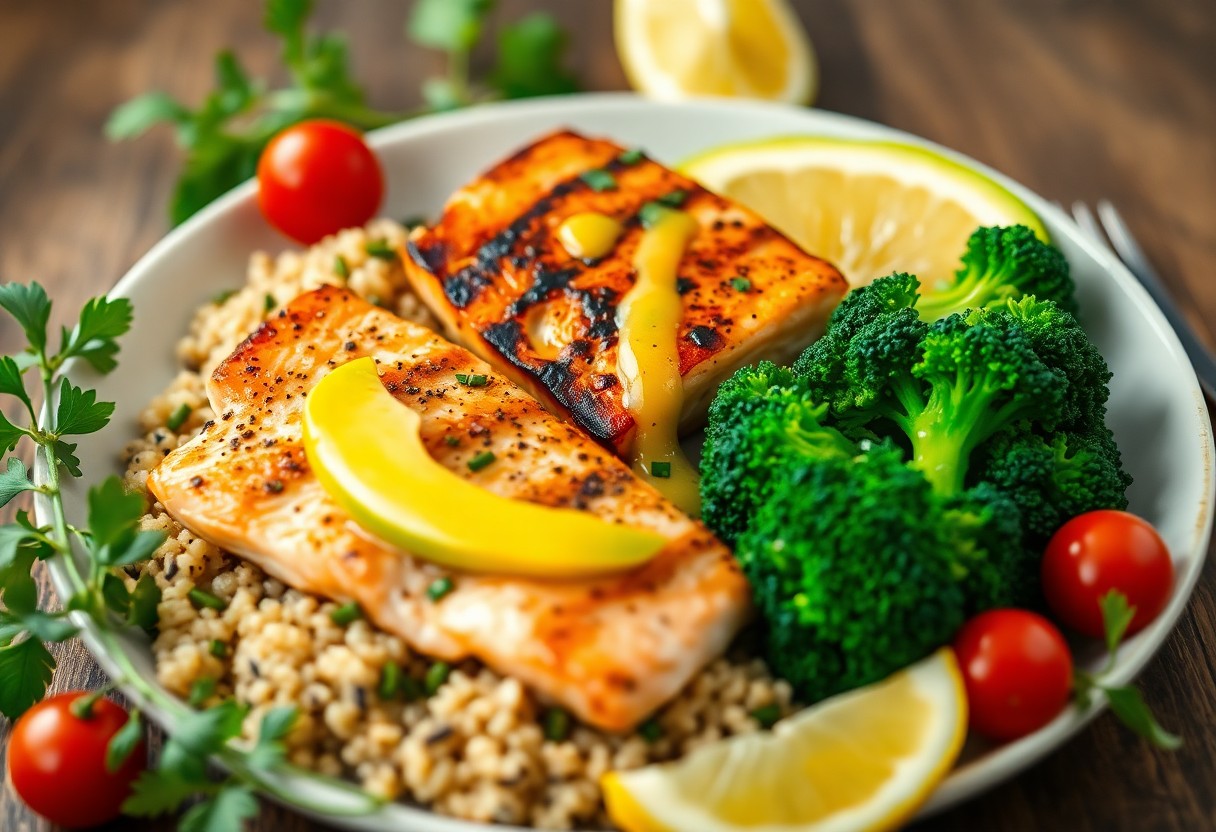
Wholesome ingredients like lean meats and whole grains provide sustained energy and support overall health. You can opt for lean meats like chicken, turkey, or fish, and pair them with whole grains like brown rice, quinoa, or whole-wheat bread.

And as you explore the world of lean meats and whole grains, you’ll discover numerous combinations that can elevate your lunches. You can try pairing grilled chicken with quinoa and steamed vegetables, or opt for a whole-grain pita stuffed with roasted turkey and avocado, allowing you to create meals that are tailored to your taste preferences and dietary needs.

Healthy Snacking

Your healthy meal plan should include nutritious snacks to keep you energized throughout the day. Healthy snacks can help you maintain your energy levels and support your overall well-being.

Fresh Fruits and Yogurt

One of the simplest and healthiest snack options is combining fresh fruits with yogurt, providing you with imperative vitamins and proteins to keep you going.

Energy-Boosting Trail Mix

On the go, a mix of nuts, seeds, and dried fruits can be an ideal snack, offering you a quick energy boost and satisfying your hunger.

Considering your dietary needs, you can customize your trail mix with your favorite ingredients, such as almonds, cashews, or pumpkin seeds, and add a few dark chocolate chips for a sweet treat, making it a perfect snack to fuel your busy lifestyle.

Wholesome Dinner Combinations

After a long day, you want to come home to a meal that nourishes your body and satisfies your taste buds. You can achieve this by pairing whole foods like lean proteins, vegetables, and whole grains, which will provide you with the energy and nutrients you need to thrive.

Herbs and Seasonal Vegetables

Around this time of year, you can find an array of fresh herbs and vegetables at your local market, which can add flavor and nutrition to your meals. You can use these ingredients to create delicious and healthy dinner combinations that are tailored to your dietary needs and preferences.

Grilled Meats and Quinoa

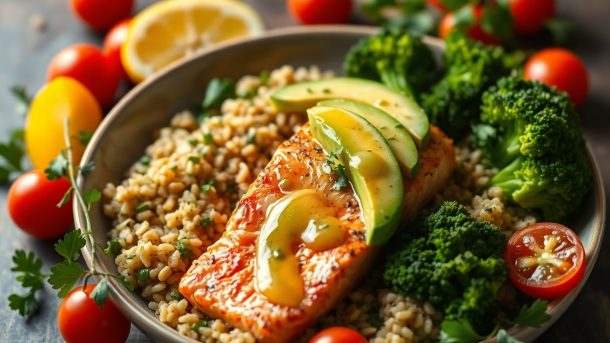
Before you start cooking, consider pairing grilled meats with quinoa, a complete protein and a good source of fiber, which can help you feel full and satisfied. You can marinate your favorite meats in herbs and spices and grill them to perfection, serving with a side of quinoa and roasted vegetables.

Plus, when you combine grilled meats with quinoa, you create a balanced meal that provides a boost of protein, fiber, and healthy fats, which can help support your overall health and wellbeing. You can experiment with different types of grilled meats and vegetables to find your favorite combinations, and make healthy eating a enjoyable and sustainable part of your lifestyle.

Beverages to Accompany Meals

All meals can be elevated with the right beverage pairings, and as you plan your healthy meals, considering your drink options is vital. You want to choose beverages that complement your food without adding excessive sugar or calories.

Herbal Teas and Infused Water

Behind every healthy meal, there’s often a soothing cup of herbal tea or a refreshing glass of infused water, which can enhance the flavors of your food without adding extra calories, allowing you to enjoy your meals while staying hydrated.

Low-Sugar Juices and Smoothies

Alongside your meals, you can enjoy low-sugar juices and smoothies, which provide a boost of vitamins and antioxidants, and as you select your beverages, you can opt for those that are made with whole fruits and vegetables, giving you the nutrients you need.

Meals that are paired with low-sugar juices and smoothies can be particularly satisfying, as you get to enjoy the natural flavors of the ingredients, and you can experiment with different combinations to find the perfect match for your favorite dishes, making your healthy meals even more enjoyable and nutritious.

Cultural Inspirations

Many cuisines around the world offer valuable lessons on healthy food pairings, and you can draw inspiration from them to create your own balanced meals. By exploring different cultural approaches to food, you can discover new flavors and nutrients to enhance your diet.

Mediterranean Diet Pairings

Culturally, the Mediterranean diet is known for its emphasis on whole grains, fruits, and vegetables, and you can combine these foods in various ways to create healthy meals. You can pair whole grain bread with fresh vegetables and hummus for a satisfying snack.

Asian-Inspired Food Combinations

Alongside the variety of Asian cuisines, you can find inspiration for healthy food pairings, such as combining stir-fried vegetables with brown rice and lean protein sources like chicken or tofu. You can also experiment with different seasonings and spices to add flavor to your meals.

Further, as you explore Asian-inspired food combinations, you’ll find that many traditional dishes prioritize balance and harmony in their ingredients, which can guide you in creating your own healthy meals. You can apply this principle by pairing nutrient-dense foods like lean proteins, whole grains, and a variety of colorful vegetables to create well-rounded meals that support your overall health and well-being.

Final Words

On the whole, you now have a clear understanding of the best food pairings for healthy meals. You can enhance your diet by combining foods that complement each other in terms of nutrition and taste. By making informed choices, you will be able to create balanced and satisfying meals that support your overall well-being, and improve your health as you make your way towards a more nutritious lifestyle with your newfound knowledge of healthy food pairings.

10 Healthy Meal Prep Ideas for Busy Weeknights

As you juggle your busy schedule, it’s easy to let healthy eating fall by the wayside. But what if you could have a delicious, nutritious meal ready to go, even on your most chaotic weeknights? You can, with a little meal prep magic. Your weekdays are about to get a whole lot healthier, and easier, with these simple and satisfying ideas that will become your new go-tos, saving you time and nourishing your body. Get ready to transform your weeknight dinners forever.

Quick and Easy Options

A busy weeknight dinner can be a challenge, but with meal prep, you’ll have a variety of options at your fingertips. Check out 49 Meal Prep Recipes for the Week Ahead for inspiration.

One-Pot Wonders

Above all, one-pot meals are a lifesaver on busy nights, allowing you to cook your entire meal in one vessel, making cleanup a breeze. You’ll love the simplicity of these dishes.

Slow Cooker Delights

Behind the scenes, your slow cooker is working hard to prepare a delicious meal, waiting for you to come home to a ready-to-eat dinner, making your life easier.

Indeed, slow cooker recipes are a great way to meal prep, as you can add all the ingredients in the morning and come home to a perfectly cooked meal, giving you more time to focus on your evening routine, and you can use your slow cooker to make a variety of dishes, from stews to curries, that will become your favorite go-to meals.

Protein-Packed Meals

Any busy weeknight can be made easier with protein-packed meals that fuel your body. You can prepare these meals in advance, saving you time and energy. They’re perfect for weeknights when you need a nutritional boost.

Chicken and Fish Recipes

Around the world, chicken and fish are staples in many cuisines, and for good reason – they’re versatile and nutritious. You can grill, bake, or sauté them with your favorite spices and vegetables for a delicious meal.

Vegetarian and Vegan Options

Vegetarian options abound, and you can easily find something that suits your taste. You can prepare lentil soups, vegetable stir-fries, or tofu dishes that are not only healthy but also flavorful.

A lot of vegetarians and vegans opt for meal prep because it allows them to plan their meals carefully, ensuring they get all the necessary nutrients. You can prepare quinoa bowls, chickpea salads, or roasted vegetables that are perfect for a quick weeknight dinner, and you’ll be amazed at how easy it is to stick to your dietary preferences.

Meal Prep Hacks

For a stress-free weeknight dinner, consider meal prep hacks that save you time and energy. You’ll be amazed at how a little planning can make a big difference in your daily routine.

Portion Control

Any successful meal prep strategy starts with portion control, allowing you to manage your food intake and avoid waste. You can adjust your portions based on your dietary needs and preferences.

Container Tips

The key to efficient meal prep is using the right containers. You can use:

  • Glass containers for reheating
  • Plastic containers for salads

Assume that your containers are durable and easy to clean, making your meal prep experience more enjoyable.

Indeed, choosing the right containers can make a huge difference in your meal prep journey. You can use:

  • Containers with compartments for organization
  • Reusable bags for snacks

Assume that your meal prep containers will become your new best friends, helping you stay organized and focused on your healthy eating goals.

Healthy Snacks

Unlike other meals, snacks can be quick and easy to prepare, and they’re imperative for keeping your energy up on busy weeknights. You can prepare healthy snacks in advance to grab and go, saving you time and ensuring you’re fueling your body with nutritious foods.

Fresh Fruits and Veggies

Healthy choices like baby carrots, cherry tomatoes, and fresh berries are perfect for snacking on the go, and you can easily pack them in your lunch or bag for a quick bite.

Nuts and Seeds

The perfect combination of nuts and seeds can provide a satisfying crunch and a boost of nutrition, and you can mix and match your favorites to create a snack that’s all your own.

Nuts like almonds and walnuts are packed with healthy fats and protein, making them an excellent choice for a quick snack, and you can also add seeds like pumpkin or chia for an extra dose of nutrition, keeping you full and focused until your next meal.

Global Inspirations

After a long day, you deserve a meal that’s not only healthy but also exciting. Global inspirations can add a twist to your meal prep, making it more enjoyable and varied. You can explore different cuisines and find the flavors that you love.

Asian-Style Bowls

Against the backdrop of busy weeknights, Asian-style bowls offer a convenient and nutritious solution. You can prepare a batch of brown rice, roast a variety of vegetables, and add your favorite protein for a quick and easy meal.

Mexican and Italian Flavors

On the days when you need a boost of energy, Mexican and Italian flavors can add a vibrant touch to your meal prep. You can whip up a big batch of chili or pasta sauce and use it throughout the week in different meals.

A key aspect of incorporating Mexican and Italian flavors into your meal prep is experimenting with different spices and herbs. You can try adding cumin and chili powder to your meals for a Mexican twist, or basil and oregano for an Italian flair. As you explore these flavors, you’ll find that your meal prep becomes more exciting and satisfying, giving you the energy to tackle your busy weeknights with confidence.

Weeknight Warriors

Many of you are familiar with the chaos of weeknights, when work and life collide. You need healthy meals that can be prepared quickly, without sacrificing taste or nutrition. As a busy individual, you’re constantly looking for ways to make your evenings easier, and meal prep is a great solution.

30-Minute Meals

Besides having a collection of quick recipes, you can whip up delicious meals in no time. You can prepare one-pot wonders, sheet pan dinners, or stir-fries that are ready in 30 minutes or less, perfect for your busy schedule.

Make-Ahead Breakfasts

Meanwhile, you can also prep your breakfasts in advance, saving you time in the morning. You can make overnight oats, breakfast burritos, or muffin tin frittatas that are easy to grab and go.

Conclusion

Presently, you’ve got a fresh arsenal of healthy meal prep ideas to tackle busy weeknights. You can now whip up delicious, nutritious meals that fit your lifestyle. With these 10 ideas, your weeknights just got a whole lot easier, and your taste buds will thank you. You’ll be enjoying hassle-free, wholesome meals in no time, and your body will appreciate the love and care you’re showing it.

How to Cook Healthy Meals Without Losing Flavor

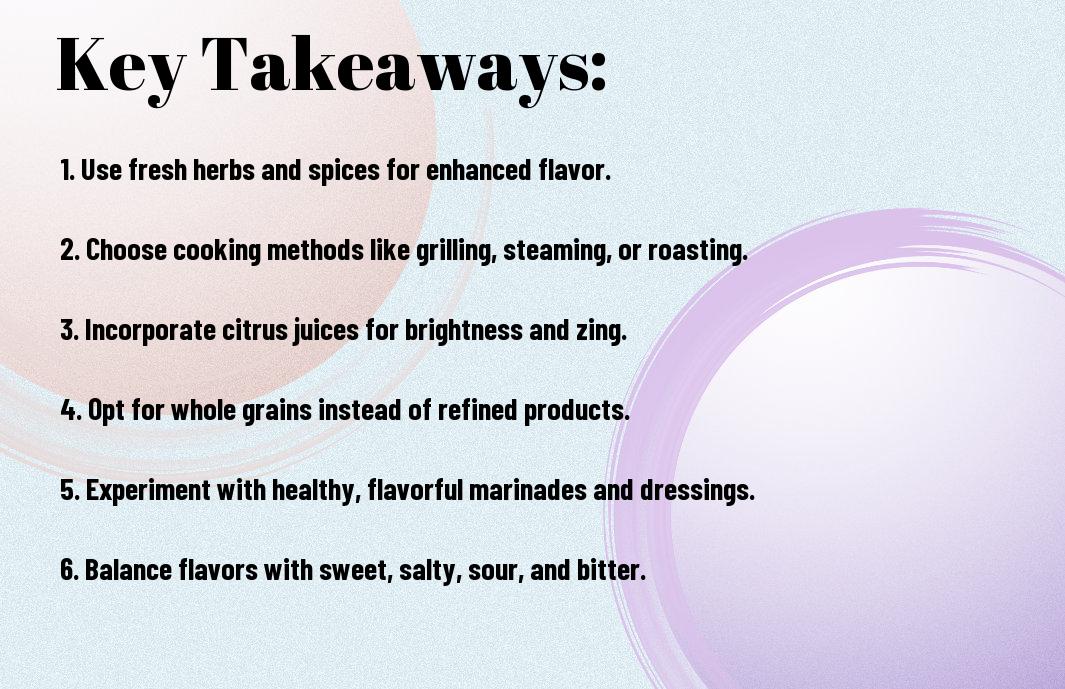
Get ready to launch on a delightful culinary journey, where your taste buds and your health will thank you! As you step into the kitchen, you’ll discover that cooking healthy meals doesn’t mean sacrificing flavor. You’ll learn to prepare dishes that are not only nutritious but also bursting with delicious flavors, and you’ll be amazed at how easy it is to make healthy choices without compromising on taste. Your meals will be a symphony of colors, textures, and tastes that will leave you and your loved ones wanting more.

Planning Healthy Meals

The key to cooking healthy meals without losing flavor is to start with a solid plan. You’ll want to consider your dietary goals, the ingredients you have on hand, and the time you have available to cook. By taking a few minutes to plan your meals, you’ll be able to create delicious and healthy dishes that you’ll love.

Setting Goals and Objectives

Among the first steps in planning healthy meals is to define what you want to achieve. You get to decide what healthy means to you, and what kind of meals you want to cook. Consider your lifestyle, your tastes, and your goals, and use these to guide your meal planning.

Exploring Healthy Ingredients

Beside the recipes you choose, the ingredients you use will have a big impact on the healthiness of your meals. You’ll want to focus on whole, unprocessed foods like vegetables, fruits, and whole grains, and learn how to use them in new and exciting ways.

Healthy ingredients are the foundation of healthy meals, and you’ll find that they can add tremendous flavor and variety to your cooking. You can experiment with different spices, herbs, and seasonings to add depth and complexity to your dishes, and find healthy alternatives to your favorite ingredients. As you explore the world of healthy ingredients, you’ll discover new flavors and techniques that will take your cooking to the next level.

Essential Cooking Techniques

There’s an art to cooking healthy meals that are bursting with flavor, and it begins with mastering a few fundamental techniques that will elevate your dishes to new heights, allowing you to create culinary masterpieces that delight your senses.

Roasting and Grilling

Beneath the surface of these cooking methods lies a world of possibilities, and as you explore roasting and grilling, you’ll discover how easily you can bring out the natural flavors of your ingredients, adding a depth and richness to your meals that will leave you wanting more.

Sautéing and Steaming

Toward the goal of cooking healthy meals without losing flavor, you’ll find that sautéing and steaming are invaluable techniques, allowing you to prepare a wide variety of dishes with ease, from hearty stir-fries to delicate vegetable medleys, all while preserving the nutrients and flavors of your ingredients.

Cooking with these techniques in mind, you’ll soon find that sautéing and steaming become second nature, and you’ll be able to whip up a delicious, healthy meal in no time, experimenting with different seasonings and ingredients to create dishes that are truly your own, and that showcase your unique culinary style, all while nourishing your body and delighting your taste buds.

Flavor Enhancement Strategies

After mastering the basics of healthy cooking, you can focus on elevating the flavor of your dishes. You’ll discover that healthy meals can be bursting with flavor, and it’s all about using the right techniques and ingredients to bring out the best in your food.

Herbs and Spices

Across the globe, various herbs and spices add depth and complexity to healthy meals. You can experiment with different combinations to find the perfect blend that suits your taste, and don’t be afraid to get creative with your seasoning.

Aromatics and Marinades

After selecting your ingredients, you can start thinking about how to enhance their natural flavors. You’ll find that aromatics like onions and garlic, and marinades made with healthy oils and acids, can add incredible flavor to your dishes.

Indeed, the key to making the most of aromatics and marinades is to use them thoughtfully. You can sauté your aromatics to bring out their sweetness, and let your ingredients marinate for a few hours to allow the flavors to meld together. As you experiment with different techniques, you’ll find that your healthy meals are transformed into truly delicious experiences.

Creating Balanced Meals

Many of you struggle to create meals that are both healthy and flavorful. You can find inspiration in 17 Healthy No-Prep Recipes for the Days When You Just Can’t, which offers a variety of delicious options to get you started.

Protein and Vegetable Combinations

Obviously, pairing protein sources with vegetables is a great way to create balanced meals, and you can experiment with different combinations to find your favorites, making mealtime a joyful experience.

Whole Grains and Healthy Fats

Similarly, incorporating whole grains and healthy fats into your meals will add depth and satisfaction, and you’ll love how these ingredients enhance your dishes, making them more enjoyable to eat.

Hence, as you explore the world of whole grains and healthy fats, you’ll discover a wealth of possibilities, from nutty brown rice to creamy avocado, and you’ll be amazed at how easily these ingredients can elevate your meals, making them truly special and delicious, just the way you like them.

Meal Preparation Tips

Your approach to meal preparation can make all the difference in cooking healthy meals without losing flavor. Consider the following:

  • Plan your meals
  • Make a grocery list
  • After implementing these tips, you’ll be well on your way to delicious and healthy meals.

    Time-Saving Methods

    Meanwhile, preparing meals in advance saves you time and effort. You can chop vegetables, marinate meats, and cook grains ahead of time, making the cooking process more efficient.

    Kitchen Essentials

    Similarly, methods like batch cooking and one-pot meals can be a huge help. You’ll need a well-stocked kitchen with basic tools and ingredients to make these methods work for you.

    To get started with kitchen vitals, you’ll want to invest in a good set of knives, cutting boards, and pots and pans. You’ll also want to stock your pantry with staples like olive oil, spices, and herbs, which will allow you to add flavor to your meals without relying on salt and sugar. As you become more comfortable in the kitchen, you can experiment with new ingredients and tools to expand your cooking repertoire.

    Staying Motivated

    Once again, you’re taking a step towards a healthier, more flavorful you, and that’s something to be proud of! You’re on a journey to cook healthy meals without sacrificing taste, and with a positive attitude, you’ll be whipping up delicious dishes in no time.

    Overcoming Cooking Challenges

    To tackle the obstacles that may come your way, try breaking down complex recipes into simpler steps, and don’t be afraid to experiment and try new things – it’s all part of the fun!

    Finding Inspiration

    Motivated by the prospect of a healthier, happier you, you’ll start to seek out new recipes and cooking techniques to try, and soon you’ll be inspired by the endless possibilities in the world of healthy cooking.

    For instance, you can find inspiration in the seasons, using fresh, locally-sourced ingredients to create dishes that are both nutritious and delicious, and don’t be surprised if you start to feel like a culinary artist, experimenting with colors, textures, and flavors to create your own unique masterpieces – bon appétit!

    To wrap up

    Summing up, you’ve now got the secrets to cooking healthy meals that are bursting with flavor. You’ve learned to balance your ingredients, experiment with spices, and have fun in the kitchen. Your meals will be a symphony of tastes and textures, delighting your senses and nourishing your body. So go ahead, get cooking, and savor the joy of creating delicious, healthy meals that bring you and your loved ones together!

What types of foods are recommended in "Fat Burning Kitchen"

Healthy eating is key to achieving your fat loss goals and transforming your body. In “Fat Burning Kitchen,” you will discover a variety of whole foods that are recommended to boost your metabolism, increase fat burning, and improve overall health. By incorporating these nutrient-dense foods into your diet, you can optimize your body’s ability to burn fat and achieve your weight loss goals more effectively. Let’s explore some of the top food recommendations from “Fat Burning Kitchen” that will help you on your journey to a healthier, leaner you.

Key Takeaways:

  • Whole foods: The “Fat Burning Kitchen” recommends consuming whole, natural foods such as fruits, vegetables, nuts, seeds, lean protein, and healthy fats.
  • Lean protein sources: Including lean protein sources like chicken, turkey, fish, and tofu in your diet can help boost metabolism and promote fat burning.
  • Avoid processed foods: It is suggested to limit or eliminate processed foods, sugary snacks, and refined grains as they can contribute to weight gain and hinder fat loss.

The Principles of Fat Burning Kitchen

Focus on Whole Foods

To start your journey towards a healthier lifestyle with the ‘Fat Burning Kitchen’, focus on consuming whole foods that are nutrient-dense and minimally processed. These foods are rich in vitamins, minerals, antioxidants, and fiber that are crucial for your body to function optimally.

Whole foods such as fruits, vegetables, lean proteins, nuts, seeds, and whole grains should form the foundation of your diet. Not only will they help you feel more satisfied and energized, but they will also support your weight loss and overall health goals.

Eliminate Processed and Refined Carbohydrates

To enhance the fat-burning process, it’s crucial to eliminate processed and refined carbohydrates from your diet. These include sugary snacks, white bread, pastries, and sugary beverages that can spike your blood sugar levels and lead to weight gain.

The ‘Fat Burning Kitchen’ guides you on making healthier carb choices such as opting for whole grains like quinoa, brown rice, and oats that provide sustained energy and keep you feeling full longer. By cutting out processed carbs, you can stabilize your blood sugar levels and promote fat loss effectively.

Protein-Rich Foods for Fat Burning

Any fitness enthusiast knows that protein is a crucial component of a fat-burning diet. In THE FAT BURNING KITCHEN Your 24-Hour Diet …, you will find valuable information on incorporating protein-rich foods into your meals to enhance your fat-burning efforts.

Lean Meats and Poultry

Meats such as chicken breast, turkey, lean cuts of beef, and pork tenderloin are excellent sources of protein that can help you build lean muscle mass and boost your metabolism. These lean meats are low in saturated fats and high in quality protein, making them ideal choices for your fat-burning kitchen.

Fish and Seafood

One of the best sources of lean protein is fish and seafood. Fish like salmon, tuna, and mackerel are not only high in protein but also rich in omega-3 fatty acids, which have been found to promote fat loss and improve overall health. Incorporating fish and seafood into your diet can help you achieve your fat-burning goals while enjoying delicious meals.

Eggs and Dairy

For a convenient and versatile source of protein, look no further than eggs and dairy products. Eggs are packed with high-quality protein and necessary nutrients, making them a great addition to your fat-burning kitchen. Similarly, dairy products like Greek yogurt, cottage cheese, and milk are rich in protein and can help you stay full and satisfied while supporting your fat-burning efforts.

Plant-Based Protein Sources

An array of plant-based protein sources can also be included in your fat-burning kitchen. Legumes, lentils, quinoa, tofu, and tempeh are excellent alternatives for those following a vegetarian or vegan diet. These plant-based proteins are not only rich in protein but also contain necessary nutrients and fiber to support your weight loss journey.

Healthy Fats for Sustained Energy

Now, when it comes to incorporating healthy fats into your diet for sustained energy, there are several excellent options you can choose from. These fats not only provide a great source of energy but also offer many other health benefits.

Nuts and Seeds

For a quick and convenient way to add healthy fats to your diet, consider incorporating nuts and seeds into your meals or snacks. Walnuts, almonds, chia seeds, and flaxseeds are rich in omega-3 fatty acids, which have been shown to support heart health and provide sustained energy throughout the day.

Avocados and Olive Oil

Olive oil is a staple in the Mediterranean diet and is a great source of monounsaturated fats that can help promote heart health and provide sustained energy. Avocados are also rich in healthy fats and can be used in salads, smoothies, or as a delicious spread on toast. Plus, they contain fiber, vitamins, and minerals that offer additional health benefits.

Plus, avocados and olive oil are versatile ingredients that can be easily incorporated into a variety of dishes, making it simple to enhance the flavor and nutritional content of your meals.

Fatty Fish and Omega-3 Rich Foods

Any well-rounded diet should include sources of omega-3 fatty acids, such as fatty fish like salmon, mackerel, and sardines. These foods not only provide healthy fats for sustained energy but also offer anti-inflammatory benefits and support brain health.

Rich in healthy fats, protein, and imperative nutrients, fatty fish should be a regular part of your diet to help you feel energized and nourished throughout the day.

Vegetables for Optimal Nutrition

For Preserving Nutrients When Cooking Foods, it’s vital to include a variety of vegetables in your diet. They are packed with vital vitamins, minerals, and fiber that are beneficial for your overall health and weight loss goals.

Leafy Greens and Cruciferous Vegetables

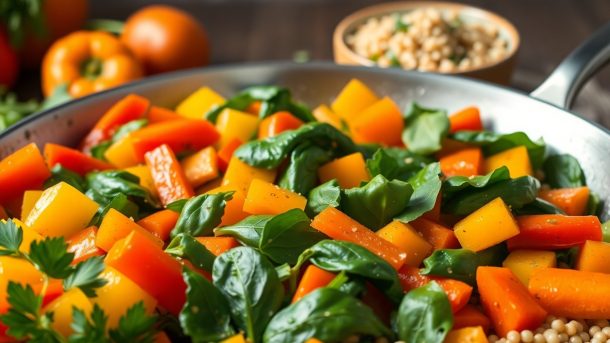
For optimal nutrition, include a variety of leafy greens like spinach, kale, and collard greens in your meals. These vegetables are rich in vitamins A, C, and K, as well as minerals like iron and calcium. Cruciferous vegetables such as broccoli, cauliflower, and Brussels sprouts are known for their cancer-fighting properties and are excellent sources of fiber and antioxidants.

Colorful Vegetables and Antioxidants

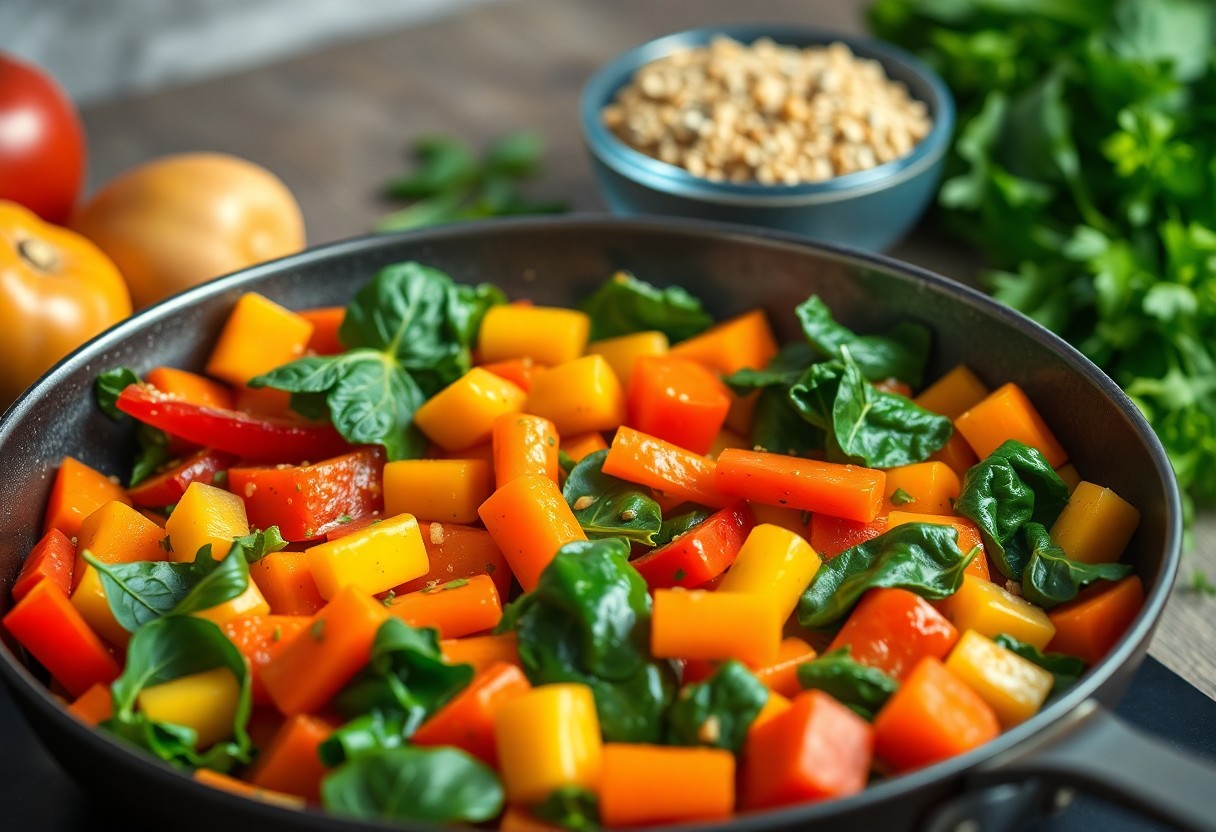
Antioxidants play a crucial role in protecting your body from harmful free radicals that can cause damage to your cells. Include a rainbow of colorful vegetables like bell peppers, tomatoes, and carrots in your diet. These vibrant veggies are rich in antioxidants like beta-carotene, lycopene, and vitamin C, which help boost your immune system and promote overall health.

Understanding the importance of antioxidants in your diet can help you make better food choices to support your weight loss goals. By incorporating a variety of colorful vegetables into your meals, you can ensure you are getting a wide range of vital nutrients that are beneficial for your health.

Allium and Cruciferous Vegetables for Detoxification

On top of their nutrition value, allium vegetables such as garlic, onion, and leeks contain sulfur compounds that support liver function and aid in detoxification. Cruciferous vegetables like cabbage, kale, and bok choy also help in detoxifying the body by supporting the liver’s natural cleansing processes.

Vegetables are not only low in calories and high in fiber but also provide vital nutrients that support your body’s natural detoxification processes. Including a variety of these vegetables in your diet can help enhance your weight loss journey and improve your overall health.

Fruits for Natural Energy and Fiber

Not only are fruits delicious and refreshing, but they are also excellent sources of natural energy and fiber. Including a variety of fruits in your diet can help you stay energized throughout the day and keep your digestive system healthy.

Berries and Citrus Fruits

The next time you’re looking for a healthy snack or a sweet treat, reach for some berries or citrus fruits. Berries, such as blueberries, strawberries, and raspberries, are packed with antioxidants and fiber, which can help support your immune system and improve digestion. Citrus fruits like oranges, grapefruits, and lemons are rich in vitamin C and can give you a natural energy boost.

Tropical Fruits and Stone Fruits

Fruits like mangoes, pineapples, peaches, and plums fall into the categories of tropical fruits and stone fruits, respectively. These fruits not only taste delicious but are also high in vitamins, minerals, and fiber. They can provide you with a burst of energy and aid in digestion.

Understanding the different types of fruits and their benefits can help you make healthier choices when it comes to snacking or adding them to your meals. Including a variety of fruits in your diet can ensure that you are getting a wide range of nutrients vital for overall health.

Apples and Pears for Fiber and Antioxidants

Natural sources of fiber and antioxidants, apples, and pears are excellent choices for improving digestion and maintaining a healthy gut. The fiber content in these fruits can help you feel fuller for longer and support healthy bowel movements.

For instance, eating an apple or a pear as a mid-morning snack can help keep your energy levels stable and prevent unhealthy food cravings later in the day. Including these fruits in your diet can contribute to your overall well-being and help you achieve your fitness goals.

Beverages for Hydration and Fat Burning

Water and Herbal Teas

Unlike sugary beverages that can derail your fat-burning goals, water and herbal teas are excellent choices to keep you hydrated and support your metabolism. One of the simplest ways to stay hydrated and support your body’s fat-burning processes is by drinking an adequate amount of water throughout the day. Herbal teas such as green tea, peppermint tea, and chamomile tea not only keep you hydrated but also offer various health benefits and can help boost your metabolism.

Green Tea and Coffee for Metabolism Boost

On top of being hydrating beverages, both green tea and coffee are known for their metabolism-boosting properties. Green tea contains antioxidants and compounds like catechins that can increase fat burning and improve metabolic rate. Similarly, coffee contains caffeine, which can enhance fat oxidation and boost your metabolism, leading to more efficient calorie burning throughout the day.

Green tea and coffee are excellent choices to include in your daily beverage routine if you’re looking to support your fat-burning goals. These beverages not only provide hydration but also offer additional benefits that can help optimize your body’s ability to burn fat and support weight loss.

Low-Fat Dairy and Vegetable Juices

LowFat dairy options like skim milk, yogurt, and vegetable juices can be beneficial additions to your diet when aiming to burn fat. With their high protein content, low-fat dairy products can help keep you full and satisfied, making it easier to stick to your calorie goals. Vegetable juices, on the other hand, provide necessary nutrients while keeping you hydrated and can be a refreshing way to add more vitamins and minerals to your diet.

Conclusion

With these considerations in mind, it is evident that “The Fat Burning Kitchen” recommends foods that are natural, whole, unprocessed, and nutrient-dense. By focusing on incorporating more lean proteins, healthy fats, and fibrous fruits and vegetables into your diet, you can optimize your metabolism and support your weight loss goals. Avoiding processed foods, refined sugars, and unhealthy fats can also help in promoting a healthier, fat-burning environment in your body.

Remember to stay hydrated, eat mindfully, and listen to your body’s hunger and fullness cues. By following the principles outlined in “The Fat Burning Kitchen”, you can take important steps towards achieving a healthier lifestyle and reaching your fitness goals. Always consult with a healthcare professional or nutritionist before making significant changes to your diet to ensure that it aligns with your individual health needs and goals.

FAQ

Q: What types of foods are recommended in “Fat Burning Kitchen”?

A: The “Fat Burning Kitchen” recommends whole, natural foods that are nutrient-dense and promote fat burning. These include foods like lean proteins, fruits, vegetables, nuts, seeds, and healthy fats like avocado and olive oil.

Q: Why are these specific foods recommended for fat burning?

A: These foods are recommended because they are rich in nutrients, fiber, and antioxidants, which can help boost metabolism, regulate blood sugar levels, and promote overall fat loss. They also tend to be low in refined sugars and unhealthy fats that can contribute to weight gain.

Q: Are there any foods to avoid in the “Fat Burning Kitchen” program?

A: Yes, the “Fat Burning Kitchen” program recommends avoiding processed foods, sugary snacks and beverages, refined grains, and foods high in unhealthy fats like trans fats. These foods can contribute to inflammation, weight gain, and other health issues that can hinder fat burning.

What are some success stories associated with "Fat Burning Kitchen"

Most of you have probably heard about the “Fat Burning Kitchen” program and wondered if it really works. Well, let me tell you about some inspiring success stories that are associated with this popular program. These stories are sure to motivate you on your own health and fitness journey. Keep reading to learn more about the transformations and achievements that others have experienced with the “Fat Burning Kitchen” program.

Key Takeaways:

  • Healthy Recipes: The Fat Burning Kitchen provides a wide range of healthy and nutritious recipes that can help in weight loss and promote overall health.
  • Science-backed Information: The program offers science-based information on nutrition and the impact of different foods on the body’s metabolism, making it easier for users to make informed choices for their diet.
  • Successful Weight Loss Stories: Many individuals have reported successful weight loss and improved health outcomes after following the guidelines and recommendations provided in the Fat Burning Kitchen program.

The Concept of Fat Burning Kitchen

While exploring success stories related to Success Stories – Gin Stephens, author and intermittent faster, you may have come across the term “Fat Burning Kitchen.” What exactly is this concept all about? Let’s probe into it to understand how it can help you achieve your health and weight loss goals.

What is Fat Burning Kitchen?

With the concept of Fat Burning Kitchen, you are vitally transforming your kitchen into a fat-burning powerhouse. It involves making strategic food choices and stocking your kitchen with nutrient-dense, metabolism-boosting foods that support your weight loss journey. By filling your kitchen with wholesome ingredients and eliminating processed, high-sugar, and high-fat foods, you are setting yourself up for success in reaching your health and fitness goals.

The Science Behind Fat Burning

Conceptually, Fat Burning Kitchen is rooted in the science of how certain foods can positively impact your metabolism, promote fat burning, and improve overall health. By incorporating foods rich in fiber, protein, healthy fats, and vital nutrients, you can optimize your body’s fat-burning potential while keeping you feeling satisfied and full. This approach helps you create a sustainable and enjoyable way of eating that supports long-term weight management and overall well-being.

Real-Life Success Stories

Weight Loss Transformations

Assuming you are looking to shed some excess weight, there are many success stories associated with “Fat Burning Kitchen.” Any individual who has followed the principles outlined in the program has experienced remarkable transformations. By making simple yet impactful changes to your diet based on the guide’s recommendations, you can achieve your weight loss goals effectively and sustainably.

Improved Energy and Mood

Stories shared by individuals who have adopted the principles of “Fat Burning Kitchen” often highlight a significant improvement in their energy levels and mood. When you fuel your body with the right foods, you can expect to experience increased vitality, mental clarity, and a more stable emotional state. By incorporating the suggested dietary modifications into your daily routine, you can enjoy a newfound sense of well-being.

Transformations in energy and mood can have a profound impact on your overall quality of life. When you feel energized and emotionally balanced, you are better equipped to tackle the challenges of daily life with a positive outlook and resilience. The power of nutrition in influencing your mental and emotional well-being cannot be overstated, and “Fat Burning Kitchen” offers a practical guide to help you optimize these aspects of your health.

Enhanced Overall Health

Transformations in overall health are another common theme among those who have embraced the principles of “Fat Burning Kitchen.” By prioritizing whole, nutrient-dense foods and eliminating processed ingredients from your diet, you can experience a wide range of health benefits. From improved digestion and immune function to reduced inflammation and lower risk of chronic diseases, the positive effects of a healthy diet are truly transformative.

This comprehensive approach to wellness underscores the interconnectedness of your dietary choices and your overall health status. When you nourish your body with the right foods, you are laying a strong foundation for long-term health and vitality. “Fat Burning Kitchen” serves as a roadmap to guide you towards optimal well-being, empowering you to take control of your health and transform your life for the better.

The Power of Nutrition

To discover real success stories associated with the transformational power of nutrition, you can explore the Success Stories from the National Weight Control Registry. These stories highlight how individuals achieved their weight loss goals through a combination of healthy eating habits and lifestyle changes. By focusing on nutrition, you can unlock the key to sustainable fat loss and overall well-being.

How Diet Affects Fat Burning

One critical aspect of successful fat burning is understanding how your diet directly impacts your body’s ability to burn fat efficiently. By prioritizing nutrient-dense foods and minimizing processed foods high in sugar and unhealthy fats, you can optimize your metabolism and fuel your body for sustained weight loss.

The Importance of Macronutrient Balance

With the Fat Burning Kitchen program, you’ll learn the significance of maintaining a proper balance of macronutrients – carbohydrates, proteins, and fats. Each of these macronutrients plays a vital role in supporting your metabolism and energy levels. By consuming the right proportions of each, you can promote fat burning and muscle preservation, ultimately leading to a healthier body composition.

To enhance your fat-burning potential, it is crucial to prioritize whole, nutrient-dense foods that support your metabolic processes and keep you feeling satisfied. By incorporating a variety of foods rich in protein, fiber, and healthy fats into your diet, you can boost your metabolism and promote efficient fat burning. Stay tuned for more insights on how the right foods can transform your body and health.

Effective Strategies for Fat Burning

Many successful individuals have found that incorporating certain strategies can greatly enhance the fat-burning process. These strategies not only aid in weight loss but also promote overall well-being and health. Two particularly effective methods include Intermittent Fasting and High-Intensity Interval Training (HIIT).

Intermittent Fasting and Its Benefits

For optimal fat burning, Intermittent Fasting can be a game-changer. This approach involves cycling between periods of eating and fasting, allowing your body to burn stored fat for energy. By restricting the time window for eating, you can improve metabolic health, increase fat loss, and even boost cognitive function.

High-Intensity Interval Training (HIIT)

Training with High-Intensity Interval Training (HIIT) is another powerful tool to accelerate fat burning. This workout style alternates between intense bursts of exercise and short rest periods, effectively elevating your heart rate and metabolism. HIIT not only burns calories during the workout but also continues to do so even after you’ve finished, thanks to the “afterburn effect.”

A

Stress Management Techniques

To support your fat-burning efforts, incorporating stress management techniques is crucial. Chronic stress triggers the release of cortisol, a hormone that can lead to increased fat storage, particularly in the abdominal area. By practicing techniques such as deep breathing, meditation, yoga, or spending time in nature, you can lower cortisol levels, reduce stress, and support your body in burning fat more efficiently.

To ensure your fat-burning journey is successful, prioritize incorporating these stress management techniques into your routine. By managing stress effectively, you not only support your physical health but also enhance your mental well-being, creating a conducive environment for your body to burn fat effectively.

This holistic approach to fat burning combines strategic dietary choices, targeted exercise routines, and stress management techniques to optimize your body’s ability to burn fat and promote overall health. By implementing these strategies consistently, you can achieve long-lasting results and enjoy a healthier, leaner body.

Overcoming Common Challenges

Dealing with Plateaus and Setbacks

Your journey to a healthier lifestyle may encounter plateaus or setbacks, but don’t let them discourage you. Plateaus are normal and can happen when your body adapts to your new eating habits or exercise routine. To overcome plateaus, consider mixing up your workouts, trying new recipes, or consulting with a nutritionist for guidance. Be mindful of, setbacks are a part of any journey, what matters is how you bounce back and stay committed to your goals.

Staying Motivated and Consistent

Overcoming common challenges like staying motivated and consistent can be tough, but it’s not impossible. It’s imperative to set realistic goals, track your progress, and celebrate small victories along the way. Find a workout buddy or join a support group to stay motivated. Setting a routine and incorporating variety in your workouts can help you stay consistent and on track towards reaching your fitness goals.

It’s important to remember that staying motivated and consistent is a key factor in achieving long-term success with the Fat Burning Kitchen program. By staying committed to your goals and making small, sustainable changes, you can see lasting results and improvements in your overall health.

Managing Cravings and Emotional Eating

Cravings and emotional eating can derail even the best-laid plans for a healthy lifestyle. To manage cravings, try to identify the triggers that lead to unhealthy eating habits and find healthier alternatives. Keeping healthy snacks on hand and practicing mindful eating can help you curb cravings and avoid emotional eating episodes. Be mindful of, it’s okay to indulge in moderation, but learning to listen to your body’s cues and make healthier choices can ultimately lead to greater success in reaching your fitness goals.

To combat emotional eating, find alternative ways to cope with stress or emotions, such as going for a walk, practicing deep breathing exercises, or engaging in a hobby you enjoy. Building a strong support system and seeking professional help if needed can also be beneficial in managing emotional eating habits. By addressing the root causes of emotional eating and developing healthier coping mechanisms, you can stay on track towards a healthier and happier you.

The Role of Mindset in Fat Burning

Now, when it comes to your journey to achieve fat loss and a healthier lifestyle, your mindset plays a crucial role. Having a positive attitude towards your goals can significantly impact your success. If you doubt this, just take a look at 10 of the most inspiring weight loss stories from this year and see the common thread of determined mindsets among those who achieved their weight loss goals.

Building Confidence and Self-Discipline

An imperative aspect of achieving fat loss is building your confidence and self-discipline. When you believe in yourself and your ability to make positive changes, you are more likely to stick to your healthy eating and exercise routines. Setting realistic goals and celebrating small victories along the way can help boost your confidence and keep you motivated on your fat-burning journey.

Creating a Positive Body Image

Burning fat is not just about physical transformation; it’s also about fostering a positive body image. Your mindset towards your body can impact how you treat it. Embracing self-love and appreciation for your body’s capabilities can empower you to make healthier choices and nourish your body with the care it deserves.

To cultivate a positive body image, focus on what your body can do rather than just how it looks. Shift your mindset to view exercise and nutrition as ways to honor and support your body, rather than punishing it for not meeting certain beauty standards. Surround yourself with positive influences and affirmations that promote self-love and acceptance.

Developing a Growth Mindset

Confidence in your ability to learn and grow is vital for sustainable fat loss. Developing a growth mindset means believing that you can improve your habits, overcome challenges, and continue progressing towards your goals. Embrace setbacks as opportunities for learning and growth, rather than viewing them as failures. By adopting a growth mindset, you can approach your fat-burning journey with resilience and determination.

Image: Cultivating a growth mindset involves reframing how you perceive obstacles and setbacks. Instead of seeing challenges as roadblocks, view them as opportunities to learn and become stronger. By shifting your mindset in this way, you can stay motivated and focused on your fat-burning goals, knowing that each hurdle is a chance for personal growth.

Final Words

With these considerations in mind, it’s important to note that “Fat Burning Kitchen” has been associated with numerous success stories from individuals who have implemented the principles outlined in the program. Many users have reported significant weight loss, improved energy levels, better digestion, and overall better health after following the recommendations provided in the book. By incorporating the suggested dietary changes and making healthier food choices, you too could potentially achieve similar results and transform your body.

Q: Can you provide any success stories associated with “Fat Burning Kitchen”?

A: Yes, definitely! Many people have experienced success with the “Fat Burning Kitchen” program. One success story involves Jane, who lost 20 pounds in 2 months by following the principles outlined in the program. She noticed significant improvements in her energy levels and digestion as well.

Q: How have individuals benefited from the “Fat Burning Kitchen” program?

A: Another success story comes from Mark, who was able to lower his cholesterol levels and reduce his risk of heart disease by incorporating the recommended foods and strategies from the “Fat Burning Kitchen”. He also saw an improvement in his overall well-being and quality of life.

Q: Are there any long-term success stories associated with following the principles of “Fat Burning Kitchen”?

A: Yes, there are many long-term success stories as well. Susan, for example, has maintained her weight loss and improved health for over a year after completing the program. By continuing to follow the healthy eating habits and lifestyle changes recommended in the “Fat Burning Kitchen”, she has experienced sustained results and better overall health.

Skip to content