Foods

What is the significance of vitamins A, C, and E in anti-aging foods

It’s time to research into the world of anti-aging foods and understand the importance of vitamins A, C, and E in your daily diet. These vital vitamins play a crucial role in promoting healthy skin, fighting off harmful free radicals, and reducing the visible signs of aging. By incorporating foods rich in vitamins A, C, and E into your meals, you can nourish your skin from the inside out and maintain a youthful glow. Let’s explore how these powerful vitamins can help you achieve radiant and age-defying skin.

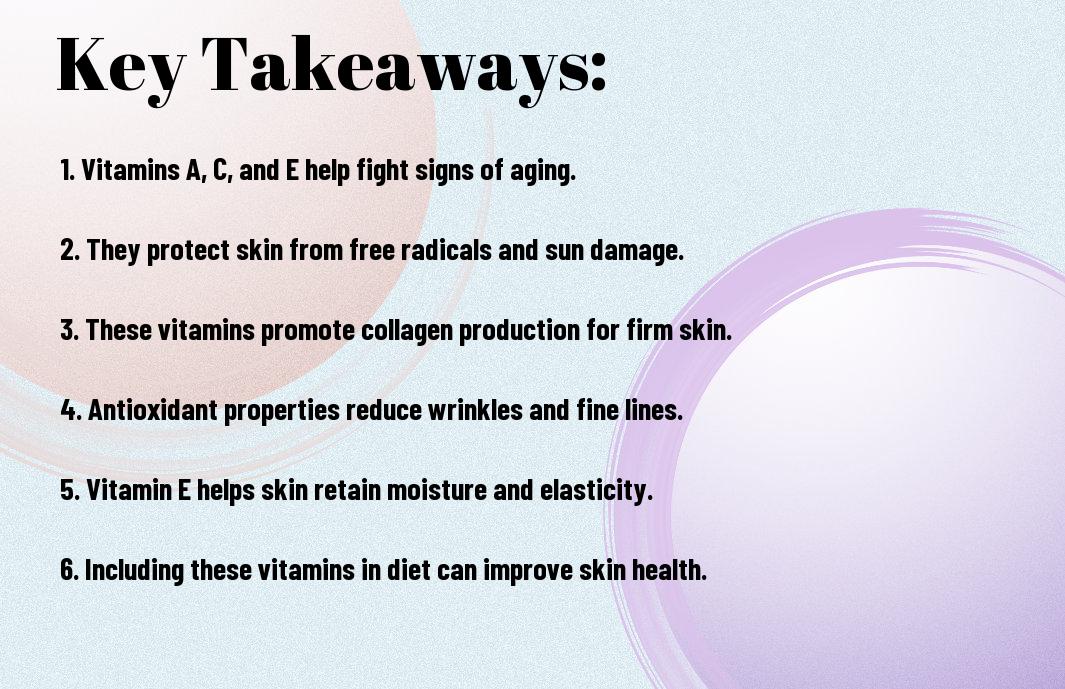
Key Takeaways:

  • Vitamin A: Helps in the production of collagen, which reduces wrinkles and improves skin texture.
  • Vitamin C: Acts as an antioxidant, protecting the skin from damage caused by free radicals and reducing the appearance of wrinkles.
  • Vitamin E: Helps repair and protect the skin from sun damage, promoting cell regeneration and maintaining skin elasticity.
The Role of Vitamins in Anti-Aging

For more information on the importance of vitamins in anti-aging, you can check out The Fat-Soluble Vitamins: A, D, E and K. Vitamins play a crucial role in maintaining skin health and slowing down the aging process. Specifically, vitamins A, C, and E are known for their anti-aging properties and their ability to protect the skin from damage caused by environmental factors.

Vitamin A: The Antioxidant Powerhouse

The powerhouse of antioxidants, Vitamin A, helps in repairing skin tissues, maintaining healthy skin, and reducing the appearance of wrinkles and fine lines. It promotes cell turnover, which is imperative for achieving that youthful glow. Include foods rich in Vitamin A such as carrots, sweet potatoes, and kale in your diet to harness its anti-aging benefits.

Vitamin C: The Collagen Booster

An imperative nutrient for collagen production, Vitamin C plays a significant role in keeping your skin firm and youthful. It also helps in protecting the skin from sun damage and reducing hyperpigmentation. Including Vitamin C-rich foods like oranges, strawberries, and bell peppers in your diet can help boost collagen synthesis and improve skin elasticity.

Booster

Vitamin E: The Free Radical Fighter

With its powerful antioxidant properties, Vitamin E is your skin’s best defense against free radicals that can cause premature aging. It helps in improving skin texture, reducing inflammation, and promoting skin repair. Incorporate Vitamin E-rich foods like almonds, sunflower seeds, and spinach into your diet to support your skin’s health and combat signs of aging.

Plus
Food Sources of Vitamins A, C, and E

You can learn more about the importance of Vitamins A, C, and E in anti-aging foods by reading this Vitamins A, C and E | Uses, side-effects informative guide.

Vitamin A-Rich Foods: Sweet Potatoes, Carrots, and Dark Leafy Greens

For a healthy dose of Vitamin A, incorporate foods like sweet potatoes, carrots, and dark leafy greens into your diet. These foods are rich in beta-carotene, a precursor to Vitamin A, which is crucial for maintaining good vision, skin health, and immune function.

Vitamin C-Rich Foods: Citrus Fruits, Berries, and Bell Peppers

Vitamin C is a powerful antioxidant that helps protect your skin from aging by fighting free radicals. Citrus fruits, berries, and bell peppers are excellent sources of Vitamin C that you can easily include in your daily meals.

To boost your collagen production and keep your skin looking youthful, make sure to include Vitamin C-rich foods like citrus fruits, berries, and bell peppers in your diet.

Vitamin E-Rich Foods: Nuts, Seeds, and Vegetable Oils

Food sources rich in Vitamin E include nuts, seeds, and vegetable oils. Vitamin E acts as an antioxidant, protecting your cells from damage caused by free radicals. Including these foods in your diet can help promote healthy skin and reduce the signs of aging.

A diet rich in Vitamin E from nuts, seeds, and vegetable oils can help protect your skin from UV damage and maintain its youthful appearance. Incorporate these foods into your meals for added anti-aging benefits.

How Vitamins A, C, and E Combat Aging

Reducing Oxidative Stress and Inflammation

All three vitamins—A, C, and E—play crucial roles in combating aging. An crucial mechanism through which they achieve this is by reducing oxidative stress and inflammation in your body. Oxidative stress occurs when there is an imbalance between free radicals and antioxidants in your system, leading to cell damage and aging. Vitamins A, C, and E act as powerful antioxidants, neutralizing these harmful free radicals and protecting your cells from damage.

Protecting Skin Collagen and Elasticity

One of the key benefits of vitamins A, C, and E in anti-aging foods is their ability to protect your skin’s collagen and elasticity. Collagen is a protein that provides structure to your skin, while elasticity allows it to stretch and bounce back. Vitamin A promotes cell turnover and helps maintain healthy skin. Vitamin C is crucial for collagen production, helping to keep your skin firm and smooth. Vitamin E acts as a potent moisturizer, protecting your skin from drying out and maintaining its elasticity.

Understanding the importance of these vitamins can help you make better choices when it comes to your diet and skincare routine, ultimately supporting your skin’s health and youthful appearance.

Enhancing Cellular Health and Longevity

An additional way that vitamins A, C, and E combat aging is by enhancing cellular health and longevity. These vitamins work at the cellular level to support proper functioning, repair damage, and promote longevity. Vitamin A aids in gene expression and cell differentiation, Vitamin C supports immune function and helps repair tissues, and Vitamin E protects cell membranes from damage. By including foods rich in these vitamins in your diet, you can support your cells in functioning optimally and potentially slow down the aging process.

Health is not just about the absence of disease but also about supporting your body’s natural processes to thrive and maintain vitality. By incorporating foods rich in vitamins A, C, and E into your diet, you can nourish your cells, protect your skin, and combat aging from the inside out.
The Synergistic Effects of Vitamins A, C, and E

Combating Age-Related Diseases: Cancer, Cardiovascular Disease, and Cognitive Decline

Not only do vitamins A, C, and E individually play crucial roles in combating age-related diseases, but when combined, their synergistic effects are even more remarkable. Cancer, cardiovascular disease, and cognitive decline are some of the major health concerns associated with aging, and the combined antioxidant properties of these vitamins can help in reducing the risk of developing these conditions.

Supporting Immune Function and Detoxification

Age-related decline in immune function and the body’s detoxification processes can leave you more vulnerable to illnesses and toxin buildup. By including foods rich in vitamins A, C, and E in your diet, you can support your immune system and enhance the body’s detoxification pathways for overall better health.

The synergistic effects of these vitamins can help in boosting your immune response to pathogens and aiding in the removal of harmful toxins from your body, thus promoting a stronger and more resilient system.

Promoting Healthy Aging and Well-being

Diseases associated with aging can significantly impact your quality of life, but incorporating vitamins A, C, and E into your diet can help in promoting healthy aging and overall well-being. These three vitamins work together to counteract the effects of oxidative stress, inflammation, and other mechanisms that contribute to aging-related conditions.

Cardiovascular health is also crucial for overall well-being, and the combined effects of vitamins A, C, and E can help in maintaining a healthy heart and blood vessels, reducing the risk of cardiovascular diseases as you age.

Dietary Recommendations for Optimal Vitamin Intake

Incorporating Vitamin-Rich Foods into Your Diet

Foods rich in vitamins A, C, and E are vital for maintaining youthful skin and overall health. To ensure you are getting an adequate amount of these vitamins, incorporate a variety of colorful fruits and vegetables into your daily meals. Carrots, sweet potatoes, oranges, strawberries, bell peppers, almonds, and sunflower seeds are excellent sources of these vitamins. You can easily add them to your salads, smoothies, or snack on them throughout the day.

Supplements: When and How to Use Them

Dietary supplements can be useful if you have trouble meeting your daily vitamin requirements through food alone. However, it’s important to consult with a healthcare provider before starting any supplement regimen. Supplements should not replace a healthy diet but rather complement it when needed. Vitamin supplements are best absorbed when taken with a meal that contains healthy fats, as vitamins A, C, and E are fat-soluble vitamins.

When choosing a supplement, opt for high-quality brands that have been tested by a third-party organization to ensure their safety and efficacy. Remember that more is not always better when it comes to vitamins, so stick to the recommended daily dosage unless advised otherwise by your healthcare provider.

Avoiding Deficiencies and Interactions

Avoiding deficiencies in vitamins A, C, and E is crucial for maintaining your skin’s health and overall well-being. Keep in mind that consuming excessive amounts of these vitamins can also have adverse effects on your health. It’s vital to strike a balance and not overdo it with vitamin supplements.

With the wide variety of foods available that are rich in these vitamins, you can easily meet your daily requirements through a balanced diet. Do not forget, it’s always best to get your nutrients from whole foods rather than relying solely on supplements.

The Future of Anti-Aging Research

Unlike the past, where anti-aging research primarily focused on topical treatments and cosmetic procedures, the future of anti-aging research is shifting towards a deeper understanding of how nutrition and genetics play a crucial role in the aging process. Emerging trends in vitamin research are shedding light on the importance of specific vitamins like A, C, and E in combating the signs of aging from within.

Emerging Trends in Vitamin Research

With advancements in technology and research methodologies, scientists are delving into the intricate mechanisms through which vitamins A, C, and E can protect against oxidative stress, inflammation, and cellular damage that contribute to aging. Studies are revealing how these vitamins work synergistically and in combination with other nutrients to enhance their anti-aging effects.

The Potential of Personalized Nutrition and Genomics

For personalized nutrition and genomics, the future holds immense potential in customizing anti-aging diets tailored to individual genetic profiles. It is projected that understanding your unique genetic makeup can help pinpoint specific vitamin deficiencies or requirements that may influence how your body ages and responds to dietary interventions, offering a more targeted approach to anti-aging strategies.

It is believed that personalized nutrition based on genomics can optimize the efficacy of vitamins A, C, and E in anti-aging foods by aligning them with your genetic predispositions and metabolic pathways. This personalized approach may lead to more precise recommendations on vitamin intake and dietary patterns that can support healthy aging and longevity based on your genetic blueprint.

The Role of Vitamins in Preventive Medicine

The future of preventive medicine is intertwined with the role of vitamins A, C, and E in preserving overall health and vitality as you age. Research suggests that incorporating these vitamins into your diet not only helps in combating visible signs of aging but also plays a crucial role in preventing age-related diseases such as cardiovascular conditions, cognitive decline, and certain cancers.

The potential benefits of vitamins A, C, and E go beyond skin-deep beauty, extending into preventive medicine where these micronutrients act as powerful antioxidants and immune boosters, safeguarding your health from the inside out. By prioritizing these vitamins in your anti-aging regimen, you can fortify your body’s defense mechanisms and enhance your resilience against the effects of time.

Summing up

Considering all points, it is evident that vitamins A, C, and E play crucial roles in maintaining youthful skin and overall health. Vitamin A helps to promote cell turnover and collagen production, vitamin C is an antioxidant that protects the skin from sun damage and boosts collagen synthesis, and vitamin E helps to protect against oxidative stress and inflammation. By incorporating foods rich in these vitamins into your diet, you can help slow down the aging process and keep your skin looking radiant and healthy.

So, next time you’re planning your meals, remember to include a variety of colorful fruits and vegetables, nuts and seeds, and healthy fats like avocado and olive oil to ensure you’re getting a good amount of vitamins A, C, and E. Your skin and body will thank you for the nourishment and protection these nutrients provide, helping you age gracefully and maintain a vibrant appearance for years to come.

Q: What is the significance of vitamin A in anti-aging foods?

A: Vitamin A is crucial for maintaining healthy skin, as it helps repair skin tissues and prevent premature aging. It also promotes collagen production, which helps reduce the appearance of wrinkles and fine lines.

Q: How does vitamin C contribute to anti-aging effects in foods?

A: Vitamin C is a powerful antioxidant that helps protect the skin from free radical damage caused by UV rays and environmental pollutants. It also boosts collagen synthesis, brightens the skin, and reduces the visibility of age spots.

Q: What role does vitamin E play in anti-aging foods?

A: Vitamin E is known for its moisturizing properties and ability to strengthen the skin’s barrier function. It protects against sun damage, reduces inflammation, and promotes skin repair, making it a vital nutrient for maintaining youthful and healthy skin.

How do anti-inflammatory foods aid in anti-aging

Foods rich in anti-inflammatory properties can do wonders for your skin and overall health as you age. Incorporating these foods into your diet can help reduce inflammation in your body, which is a key factor in the aging process. By consuming anti-inflammatory foods regularly, you are not only promoting a youthful glow but also supporting your body in staying healthy and vibrant. Learn more about the power of these foods and how they can be your secret weapon in the fight against aging.

Key Takeaways:

  • Reduction of Inflammation: Anti-inflammatory foods help reduce chronic inflammation in the body, which is a major contributor to aging and age-related diseases.
  • Protection from Free Radicals: These foods are rich in antioxidants which help neutralize free radicals that can damage cells and lead to premature aging.
  • Promotion of Skin Health: Incorporating anti-inflammatory foods into your diet can improve skin elasticity, hydration, and overall appearance, helping to combat signs of aging.

The Science Behind Inflammation and Aging

What is Inflammation?

To understand how anti-inflammatory foods can aid in anti-aging, it’s vital to comprehend what inflammation is. Inflammation is the body’s natural response to harmful stimuli, such as pathogens, damaged cells, or irritants. When your body detects these threats, it triggers a cascade of immune responses to protect and heal itself.

The Role of Inflammation in Aging

What you may not realize is that chronic inflammation can have detrimental effects on your body over time. As you age, the immune system’s response to inflammation becomes less precise, potentially leading to prolonged inflammation. This persistent state of inflammation can contribute to various age-related diseases, such as cardiovascular issues, arthritis, and even cognitive decline.

Understanding how inflammation accelerates the aging process is crucial in adopting anti-inflammatory practices. By making conscious choices to include anti-inflammatory foods in your diet, you can help reduce chronic inflammation and potentially slow down the aging process.

The Power of Anti-Inflammatory Foods

Assuming you’re looking to incorporate more anti-inflammatory foods into your diet to support anti-aging, there are several key categories of foods that can help. Omega-3 rich foods are known for their anti-inflammatory properties and can be found in fatty fish like salmon, walnuts, and flaxseeds. These foods contain crucial fatty acids that help reduce inflammation in the body, promoting overall health and potentially slowing down the aging process.

Antioxidant-Rich Fruits and Vegetables

Fruits and vegetables high in antioxidants are crucial for combating oxidative stress, a major contributor to aging. Colorful produce like berries, spinach, and red bell peppers are packed with antioxidants such as vitamin C and beta-carotene that help protect your cells from damage caused by free radicals. By including these antioxidant-rich foods in your diet, you can promote healthy aging and support your skin, brain, and overall well-being.

Antioxidant-rich foods play a vital role in neutralizing harmful free radicals in your body, which can accelerate the aging process. By incorporating a variety of colorful fruits and vegetables into your meals, you can help combat oxidative stress and inflammation, two key factors that contribute to aging and age-related diseases.

Polyphenol-Rich Beverages

For a refreshing way to boost your intake of anti-inflammatory compounds, consider incorporating polyphenol-rich beverages into your daily routine. Green tea, red wine, and dark chocolate are all excellent sources of polyphenols, plant compounds with potent antioxidant and anti-inflammatory properties. These beverages can help protect your cells from damage, reduce inflammation, and support overall health as you age.

Polyphenol-rich beverages offer a flavorful and enjoyable way to increase your intake of anti-inflammatory compounds. Whether you prefer a soothing cup of green tea or a glass of red wine with dinner, these beverages provide an easy and delicious way to support your body’s natural defenses against aging and age-related conditions.

Anti-Inflammatory Foods and Skin Health

Unlike 10 Foods to Help Your Skin and Health as You Get Older, incorporating anti-inflammatory foods into your diet can have a significant impact on your skin health. These foods can help combat inflammation, reduce oxidative stress, and promote overall skin elasticity and youthfulness.

Hydration and Skin Elasticity

Foods rich in water content such as cucumbers, watermelon, and leafy greens can help keep your skin hydrated, improving its elasticity and reducing the appearance of fine lines and wrinkles. Adequate hydration from these foods can also help flush out toxins from your skin, promoting a clearer complexion and healthy glow.

Foods that Combat Skin Inflammation

To combat skin inflammation, incorporate anti-inflammatory foods like fatty fish, nuts, and seeds into your diet. These foods are rich in omega-3 fatty acids and antioxidants, which can help reduce redness, swelling, and irritation in your skin. Including these foods regularly can promote a more even skin tone and a smoother texture.

Health

The Importance of Gut-Skin Connection

Elasticity

It

Anti-Inflammatory Foods and Cellular Health

Once again, if you’re wondering about the benefits of incorporating anti-inflammatory foods into your diet for anti-aging, you may be interested in exploring the scientific evidence behind anti-inflammatory diets. To research deeper into this topic, check out What does the evidence say about anti-inflammatory diets?

Mitochondrial Function and Energy Production

Mitochondrial health is crucial for cellular energy production and overall cellular function. Anti-inflammatory foods, such as fatty fish rich in omega-3 fatty acids, leafy green vegetables abundant in antioxidants, and nuts packed with imperative nutrients, play a significant role in supporting optimal mitochondrial function. By reducing inflammation at the cellular level, these foods help maintain efficient energy production and promote overall cellular health.

Foods that Support Cellular Renewal

Renewal of cells is imperative for maintaining youthful and healthy skin, tissues, and organs. Incorporating anti-inflammatory foods like colorful berries full of vitamins and phytonutrients, dark chocolate rich in antioxidants, and turmeric known for its anti-inflammatory properties can help support cellular renewal processes in your body. These foods provide the necessary building blocks and protection against oxidative stress, contributing to the regeneration and repair of cells.

With a diet rich in these anti-inflammatory foods, you not only nourish your body at a cellular level but also support the natural renewal and repair mechanisms that are imperative for anti-aging. By incorporating a variety of colorful fruits, vegetables, lean proteins, and healthy fats into your meals, you provide your cells with the nutrients they need to thrive and stay youthful.

The Impact of Inflammation on Cellular Aging

AntiInflammatory foods play a crucial role in combating inflammation, which can accelerate cellular aging and contribute to various age-related diseases. Chronic inflammation can damage cells, impair their function, and lead to premature aging. By choosing a diet rich in anti-inflammatory foods, you can help reduce inflammation in your body and support healthy cellular aging.

Impact: By actively incorporating anti-inflammatory foods into your daily meals, you can promote optimal cellular health, enhance cellular renewal processes, and combat the effects of inflammation on your body. Be mindful of, the foods you choose to eat can have a significant impact on how your cells age and function over time.

Anti-Inflammatory Foods and Cognitive Function

The Gut-Brain Axis

Your gut and brain are intricately connected through what is known as the gut-brain axis. The health of your gut can significantly impact your cognitive function and overall brain health. Research has shown that a diet high in anti-inflammatory foods can promote a healthy gut microbiome, which in turn can support cognitive function and reduce the risk of neurodegenerative diseases.

Foods that Support Brain Health

On your plate, you have the power to nourish not just your body but also your brain. Incorporating anti-inflammatory foods like berries, fatty fish, nuts, seeds, leafy greens, and olive oil can provide crucial nutrients and antioxidants that support brain health. These foods are rich in omega-3 fatty acids, vitamins, and minerals that help protect brain cells from inflammation and oxidative stress.

Foods like blueberries, walnuts, and dark leafy greens are particularly beneficial for brain health due to their high levels of antioxidants and anti-inflammatory properties. Including these foods in your diet can help improve cognitive function, memory, and concentration, while also reducing the risk of age-related cognitive decline.

The Role of Inflammation in Neurodegenerative Diseases

The chronic inflammation associated with neurodegenerative diseases like Alzheimer’s and Parkinson’s can accelerate cognitive decline and impair brain function over time. By consuming a diet rich in anti-inflammatory foods, you can help combat this inflammation and potentially reduce the risk of developing these debilitating conditions.

The brain is highly susceptible to inflammation, which can lead to the accumulation of damaging substances and the breakdown of healthy brain tissue. By following an anti-inflammatory diet filled with foods that support brain health, you can protect your brain from inflammation and promote long-term cognitive function.

Incorporating Anti-Inflammatory Foods into Your Diet

Not only can anti-inflammatory foods help in slowing down the aging process, but they can also contribute to your overall health and well-being. Incorporating these foods into your diet is a practical way to reap their benefits and maintain a youthful glow.

Meal Planning and Grocery Shopping

One way to ensure you are consuming a variety of anti-inflammatory foods is to plan your meals ahead of time. When creating your grocery list, prioritize items such as leafy greens, berries, fatty fish, nuts, seeds, and whole grains. These ingredients form the foundation of an anti-inflammatory diet and can easily be incorporated into your daily meals.

Cooking and Preparation Methods

Anytime you prepare your meals, consider cooking methods that retain the nutritional value of anti-inflammatory foods. Opt for steaming, baking, or sautéing with healthy oils like olive or avocado oil. Avoid deep-frying or overcooking, as this can destroy the beneficial compounds in these foods.

With a little creativity in the kitchen, you can experiment with different herbs and spices to enhance the flavor of your dishes while reaping the anti-inflammatory benefits. Consider using turmeric, ginger, garlic, and cinnamon to not only add taste but also increase the health-boosting properties of your meals.

Snacking and Beverages

An easy way to incorporate anti-inflammatory foods into your diet is through snacking. Instead of reaching for processed snacks, opt for fresh fruits, vegetables with hummus, or a handful of nuts. These choices not only satisfy your hunger between meals but also provide important nutrients that can support your anti-aging efforts.

Understanding the importance of hydration, choose anti-inflammatory beverages like green tea, herbal teas, and infused water over sugary drinks. These options can help reduce inflammation in the body and keep you feeling rejuvenated throughout the day.

Final Words

Summing up, incorporating anti-inflammatory foods into your diet can significantly aid in anti-aging by reducing inflammation in your body. By consuming a variety of fruits, vegetables, nuts, and fatty fish that are rich in antioxidants and anti-inflammatory properties, you can help to combat the aging process and maintain a youthful appearance. Remember to prioritize these foods in your meals to not only look younger but also feel healthier and more energized from the inside out.

Q: How do anti-inflammatory foods aid in anti-aging?

A: Anti-inflammatory foods help reduce inflammation in the body, which is a major contributor to the aging process. By consuming these foods, you can lower the risk of chronic diseases associated with aging, such as heart disease, diabetes, and cognitive decline.

Q: What are some examples of anti-inflammatory foods?

A: Examples of anti-inflammatory foods include fatty fish (such as salmon and mackerel), leafy greens (such as spinach and kale), berries (such as blueberries and strawberries), nuts (such as almonds and walnuts), and olive oil. These foods are rich in antioxidants and omega-3 fatty acids, which help reduce inflammation in the body.

Q: How can I incorporate more anti-inflammatory foods into my diet?

A: You can incorporate more anti-inflammatory foods into your diet by including them in your meals and snacks. Try adding leafy greens to your salads, snacking on berries or nuts, using olive oil in cooking, and incorporating fatty fish into your meals a few times a week. You can also try incorporating anti-inflammatory spices such as turmeric, ginger, and cinnamon into your cooking.

What is the role of hydration and water-rich foods in anti-aging

As far as anti-aging, the key role of hydration and water-rich foods cannot be overstated. Ensuring you are properly hydrated is vital for maintaining youthful and radiant skin, as it helps to plump up skin cells and reduce the appearance of fine lines and wrinkles. Incorporating water-rich foods such as cucumbers, watermelon, and oranges into your diet not only keeps you hydrated but also provides vital vitamins and nutrients that support overall skin health. By prioritizing hydration and water-rich foods, you can support your body in looking and feeling its best as you age.

Key Takeaways:

  • Hydration is important: Proper hydration is crucial for maintaining youthful skin, preventing wrinkles, and promoting overall health and longevity.
  • Water-rich foods aid in anti-aging: Consuming fruits and vegetables with high water content can help hydrate the skin from within, improve skin elasticity, and reduce the appearance of fine lines and wrinkles.
  • Hydrating internally and externally: In addition to drinking an adequate amount of water, incorporating water-rich foods into your diet and using hydrating skincare products can work together to combat signs of aging and promote a youthful appearance.

The Importance of Hydration

Before Hydration may be key to a longer life, lower risk of chronic diseases, study shows, let’s understand the vital role hydration plays in your overall health and well-being. Staying well-hydrated is crucial for various bodily functions, ranging from regulating body temperature to aiding digestion and nutrient absorption. Dehydration can lead to a range of health issues, including fatigue, headaches, and impaired cognitive function.

Water’s Role in Cellular Health

The human body is made up of approximately 60% water, emphasizing the crucial role water plays in maintaining cellular health. Water supports the transportation of nutrients and oxygen to cells, helps remove waste products, and assists in overall cellular functioning. Adequate hydration ensures that your cells can carry out their functions optimally, contributing to your overall well-being.

Dehydration’s Impact on Skin and Aging

Skin is your body’s largest organ, and dehydration can significantly impact its appearance and function. When you are dehydrated, your skin can become dry, tight, and more prone to wrinkles and fine lines. Chronic dehydration can accelerate the aging process, making your skin lose its elasticity and vibrancy. It’s vital to remember that what you put into your body, including the amount of water you consume, directly affects how your skin looks and feels.

Plus, dehydration can hinder the skin’s ability to repair itself and maintain a healthy barrier function. This can leave your skin more susceptible to environmental damage and inflammation, leading to premature aging. By prioritizing hydration through both water intake and water-rich foods, you can support your skin’s health and potentially slow down the aging process.

Water-Rich Foods: Nature’s Anti-Aging Allies

You understand the importance of staying hydrated for your overall well-being. According to 10 Reasons Why Hydration is Important, proper hydration is crucial for maintaining healthy skin, digestion, and cognitive function. But did you know that water-rich foods can also play a significant role in anti-aging?

Hydrating Properties of Fruits and Vegetables

To support your body’s hydration needs and slow down the aging process, incorporate plenty of water-rich fruits and vegetables into your diet. Fruits like watermelon, cucumbers, strawberries, and oranges are not only delicious but also excellent sources of hydration. Vegetables such as lettuce, celery, zucchini, and tomatoes are packed with water and vital nutrients that can help keep your skin looking youthful and radiant.

The Anti-Aging Power of Water-Rich Herbs and Spices

Spices, herbs, and other flavorful additions can also contribute to your hydration levels and anti-aging efforts. Including water-rich herbs like cilantro, parsley, basil, and mint in your meals not only enhances the taste but also provides additional hydration. These herbs are rich in antioxidants and anti-inflammatory properties, which can help combat signs of aging and promote overall skin health.

Fruits and vegetables…

How Hydration Affects Skin Health

Plumping and Firming: Hydration’s Impact on Skin Elasticity

Skin elasticity is crucial for maintaining a youthful appearance. When your skin lacks proper hydration, it can become dry and lose its elasticity, leading to sagging and wrinkles. By ensuring you drink an adequate amount of water and consume water-rich foods, you help your skin stay hydrated from the inside out. This hydration supports the natural elastin and collagen in your skin, keeping it plump and firm.

Reducing Fine Lines and Wrinkles through Hydration

For instance, when you are dehydrated, your skin can appear more wrinkled and lined. Hydration plays a vital role in reducing the depth and appearance of fine lines and wrinkles. By drinking enough water and eating hydrating foods like fruits and vegetables, you provide your skin with the moisture it needs to maintain a smooth and youthful complexion.

The Connection between Hydration and Inflammation

Despite the emphasis on skincare products and treatments in the quest for anti-aging, one of the most overlooked factors that can significantly impact the aging process is hydration. Proper hydration plays a crucial role in reducing inflammation in the body, which is a key driver of aging and various age-related diseases.

How Dehydration Exacerbates Inflammation

One of the ways dehydration exacerbates inflammation in your body is by reducing the efficiency of your lymphatic system, which is responsible for removing toxins and waste products. When you are dehydrated, your lymphatic system becomes sluggish, leading to a buildup of toxins and inflammation in your tissues. This chronic inflammation can accelerate the aging process and increase your risk of developing chronic diseases.

Water’s Anti-Inflammatory Properties

Anti-inflammatory properties of water may not be commonly known, but staying well-hydrated can help reduce inflammation in your body. Water helps to flush out toxins and waste products, preventing them from accumulating and causing inflammation. Additionally, water aids in the proper functioning of your immune system, which plays a crucial role in regulating inflammation levels in your body.

AntiInflammatory: In addition to hydration, water-rich foods like fruits and vegetables also contain important nutrients and antioxidants that can further help reduce inflammation in your body. Including a variety of water-rich foods in your diet can not only keep you hydrated but also provide anti-inflammatory benefits that can support your overall anti-aging efforts.

Connection: By maintaining proper hydration levels and incorporating water-rich foods into your diet, you can help reduce inflammation in your body, slow down the aging process, and promote overall health and well-being.

Hydration and Cellular Turnover

How Hydration Supports Healthy Cell Division

To support healthy cell division, your body relies heavily on proper hydration. Water is important for various cellular processes, including the division of cells to create new ones. When you are well-hydrated, your cells can efficiently replicate and repair themselves, leading to a more youthful appearance and healthier aging overall.

The Role of Hydration in Cellular Detoxification

Any effective detoxification process in your body requires adequate hydration. Water helps flush out toxins and waste products from cells, allowing for optimal functioning of your organs and systems. By drinking enough water and consuming water-rich foods, you support your body’s natural detox mechanisms, leading to improved cellular health and anti-aging benefits.

Adequate hydration also ensures that your cells can effectively remove metabolic waste and environmental toxins, reducing the burden on your body and supporting overall well-being. By staying hydrated, you promote a clean internal environment that allows your cells to function optimally and maintain a youthful appearance.

Water-Rich Foods and Their Anti-Aging Compounds

Many water-rich foods contain compounds that can help combat the signs of aging. These foods not only hydrate your skin and body but also provide imperative nutrients that contribute to a youthful appearance. Including a variety of water-rich fruits and vegetables in your diet can help you maintain a radiant complexion and support overall anti-aging efforts.

Antioxidant-Rich Foods: Combating Oxidative Stress

One key benefit of water-rich foods is their high antioxidant content, which plays a crucial role in combating oxidative stress in your body. Oxidative stress is a major factor in aging, leading to damage to cells and tissues over time. By including antioxidant-rich foods like berries, spinach, and tomatoes in your diet, you can help protect your skin and body from the harmful effects of free radicals, promoting a more youthful appearance.

Phytonutrient-Dense Foods: Supporting Cellular Health

AntiAging phytonutrients are compounds found in plant-based foods that provide numerous health benefits, including supporting cellular health and repair processes. By incorporating a variety of phytonutrient-dense foods such as kale, broccoli, and citrus fruits into your meals, you can help maintain the integrity of your skin cells and promote a more youthful complexion. These foods also provide imperative vitamins and minerals that are vital for overall well-being.

To wrap up

Drawing together, it is clear that hydration and consuming water-rich foods play a crucial role in anti-aging. By keeping your body hydrated and incorporating foods like fruits, vegetables, and soups into your diet, you can help maintain healthy skin, improve overall health, and slow down the aging process. Note, staying hydrated is not just about drinking water; it’s also about choosing the right foods that can increase your water intake and keep you looking and feeling youthful.

FAQ

Q: What is the role of hydration in anti-aging?

A: Hydration plays a significant role in anti-aging by maintaining skin elasticity, promoting cell turnover, and reducing the appearance of fine lines and wrinkles. Proper hydration helps to plump up the skin, making it look more youthful and radiant.

Q: How do water-rich foods contribute to anti-aging?

A: Water-rich foods such as fruits and vegetables provide hydration along with imperative vitamins, minerals, and antioxidants that support skin health and slow down the aging process. These foods help to keep the skin moisturized from the inside out and protect it from damage caused by free radicals.

Q: How much water should I drink and what water-rich foods should I include in my diet for anti-aging benefits?

A: It is recommended to drink at least 8-10 glasses of water per day to stay properly hydrated. In addition to water, include water-rich foods like cucumbers, watermelon, oranges, tomatoes, and spinach in your diet. These foods not only help to hydrate the body but also provide imperative nutrients for healthy, youthful skin.

Skip to content