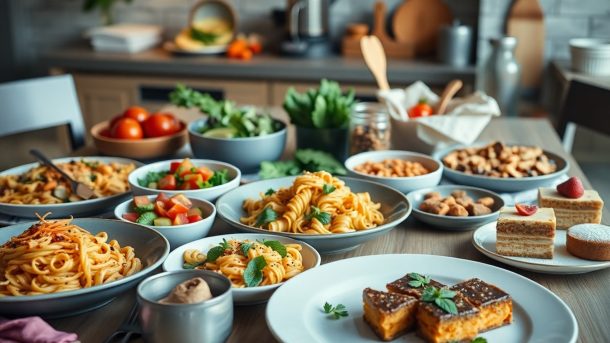
As you navigate the world of cooking, you will likely encounter various dietary restrictions and preferences that can pose a challenge in your kitchen. You may need to accommodate gluten-free, vegan, or low-carb requirements, which can be overwhelming. Your ability to adapt and create delicious meals under these constraints will not only broaden your culinary skills but also make you a more considerate and versatile cook, capable of catering to diverse tastes and needs. You will learn to experiment and innovate with new ingredients and techniques.
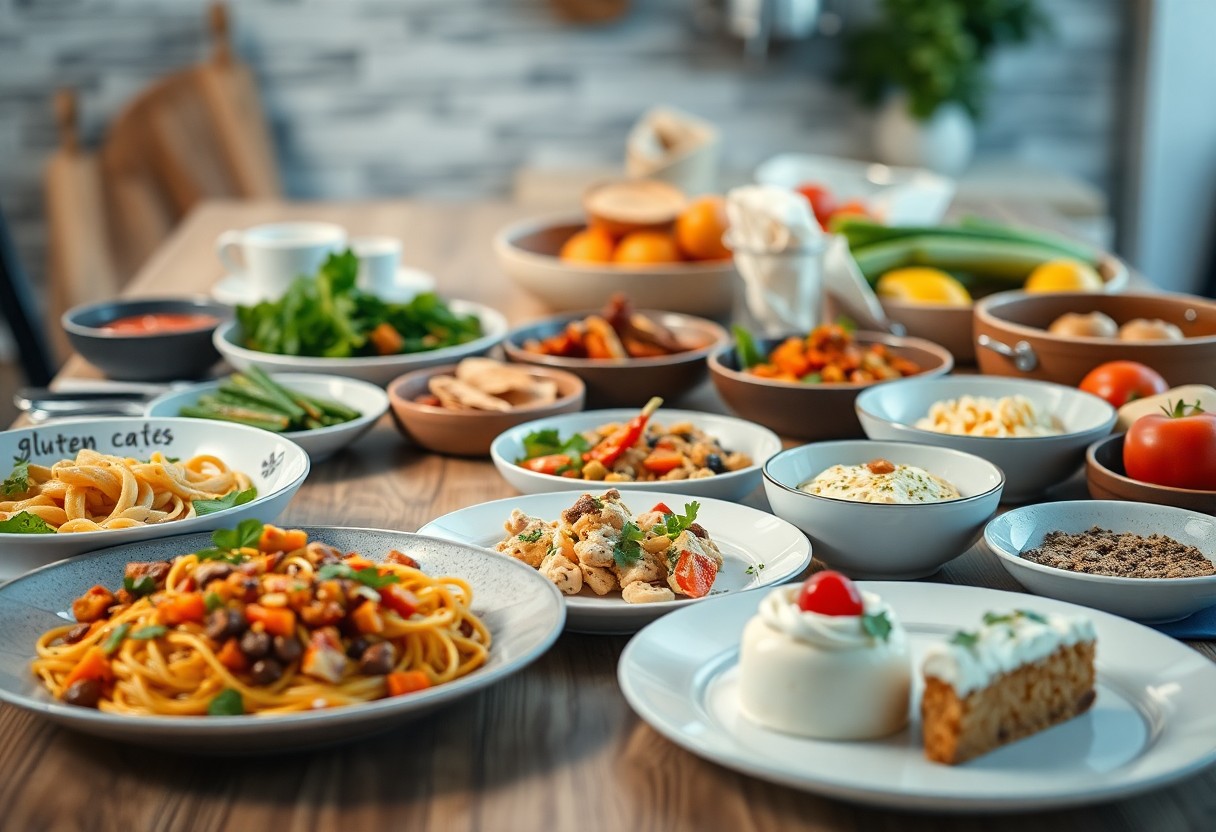
Dietary Restrictions
To navigate the world of special diets, you’ll need to consider various limitations. Your dietary needs may be driven by health, lifestyle, or personal choices, and understanding these restrictions is key to successful meal planning.
Vegetarian and Vegan Options
Around the globe, you’ll find numerous vegetarian and vegan options, offering you a wide range of choices. Your plant-based diet can be tailored to suit your taste preferences, from fruits and vegetables to legumes and whole grains.
Gluten-Free and Low-Carb Diets
Behind the trend of gluten-free and low-carb diets lies a complex web of nutritional needs. You may need to avoid certain grains or limit carbohydrate intake, and understanding these requirements is important for your dietary success.
Vegetarian diets can also be adapted to accommodate gluten-free and low-carb requirements, allowing you to explore a variety of healthy options. You can focus on whole, unprocessed foods, and get creative with your meal planning to ensure you’re meeting your nutritional needs while enjoying delicious and satisfying meals.
Cooking for Special Needs
One of the most significant challenges you may face in the kitchen is cooking for individuals with special needs. As you navigate different diets and restrictions, you’ll need to consider various factors to ensure everyone’s safety and satisfaction.
Cooking for Food Allergies
Between cross-contamination and hidden ingredients, cooking for food allergies can be a daunting task. You must be vigilant when preparing meals for individuals with life-threatening allergies, taking care to avoid exposure to allergens and ensuring your kitchen is a safe space.
Cooking for Religious Dietary Restrictions
With various faiths and cultures come distinct dietary guidelines, and you’ll need to familiarize yourself with these to accommodate your guests’ needs. Whether it’s halal, kosher, or vegan, understanding the principles behind each diet is imperative to creating inclusive and respectful meals.
Indeed, cooking for religious dietary restrictions requires more than just knowledge of the rules – it demands a thoughtful and considerate approach to meal planning. As you explore different cuisines and traditions, you’ll discover a wealth of flavors and ingredients to enhance your cooking, and your guests will appreciate the effort you put into creating a welcoming and considerate dining experience tailored to their needs.
Meal Planning and Grocery Shopping
After establishing your dietary needs, you can begin planning your meals and making a grocery list. This step helps you stay organized and ensures you have the necessary ingredients for your meals.
Planning Meals Around Dietary Restrictions
One approach to planning meals is to consider your dietary restrictions and preferences. You can browse cookbooks or online recipes to find inspiration and ideas that cater to your specific needs, making meal planning more efficient and enjoyable for you.
Smart Grocery Shopping for Special Diets
Grocery shopping can be challenging when following a special diet, but with a plan, you can navigate the store with ease. You will find it helpful to make a list of the items you need and stick to it, avoiding temptation from restricted foods.
Dietary restrictions often require careful label reading and research on suitable products. As you shop, you will become more familiar with the ingredients and brands that work for your diet, making your grocery shopping experience more streamlined and effective for managing your special dietary needs.
Cooking Techniques and Tips
Keep in mind that mastering various cooking techniques is key to successfully preparing special diet meals. You can try:
- Grilling
- Roasting
- Sauteing
Any of these methods will help you create delicious and healthy dishes.
Adapting Recipes for Special Diets
Approximately every recipe can be modified to suit your dietary needs. You will find that making a few simple substitutions can greatly impact the nutritional value of your meal, allowing you to enjoy your favorite dishes while sticking to your diet.
Essential Kitchen Tools for Special Diets
Dietary restrictions often require specific kitchen tools to ensure safe and efficient food preparation. You should invest in a good food processor and a set of sharp knives to make meal prep easier.
Among the vital kitchen tools for special diets, a food scale is particularly useful for measuring ingredients accurately, which is especially important when following a strict diet. You will also appreciate having a variety of cookware, such as stainless steel pots and pans, to prevent cross-contamination and ensure healthy cooking.
Common Challenges and Solutions
Once again, you may find yourself facing obstacles while following a special diet, but there are ways to overcome them. You can start by identifying your challenges and finding solutions that work for you, such as meal planning and prep, or seeking support from friends and family.
Managing Food Cravings and Emotional Eating
Against the temptation of unhealthy foods, you can develop strategies to manage cravings and emotional eating, such as finding healthy alternatives, practicing mindful eating, and staying hydrated.
Staying Motivated on a Special Diet
Staying on track with your special diet can be challenging, but you can maintain motivation by setting realistic goals, tracking your progress, and rewarding yourself for milestones achieved.
Managing your special diet becomes easier when you focus on the benefits, such as improved health and increased energy. You can stay motivated by celebrating small victories, like trying new recipes or cooking techniques, and finding healthy ways to indulge in your favorite foods. By doing so, you’ll be more likely to stick to your diet and achieve your health goals.
Special Diets in Different Cultures
All around the world, different cultures have their own unique approaches to special diets, shaped by their history, geography, and values. You can learn a lot from these diverse perspectives, and apply them to your own dietary needs.
Exploring International Cuisine for Inspiration
On your journey to explore special diets, you’ll find that international cuisine offers a wealth of inspiration, with various cultures offering innovative solutions to dietary challenges, and you can use these ideas to enhance your own cooking.
Incorporating Traditional Recipes into Special Diets
About the process of incorporating traditional recipes into your special diet, you’ll need to consider the ingredients and cooking methods used, and think about how you can adapt them to suit your needs, making traditional dishes your own.
Into the world of traditional recipes, you’ll discover a vast array of flavors and techniques, and as you explore these, you’ll find that you can modify them to fit your dietary requirements, allowing you to enjoy your favorite dishes while sticking to your special diet, and you can use your creativity to make these recipes your own, tailoring them to your tastes and preferences.
To wrap up
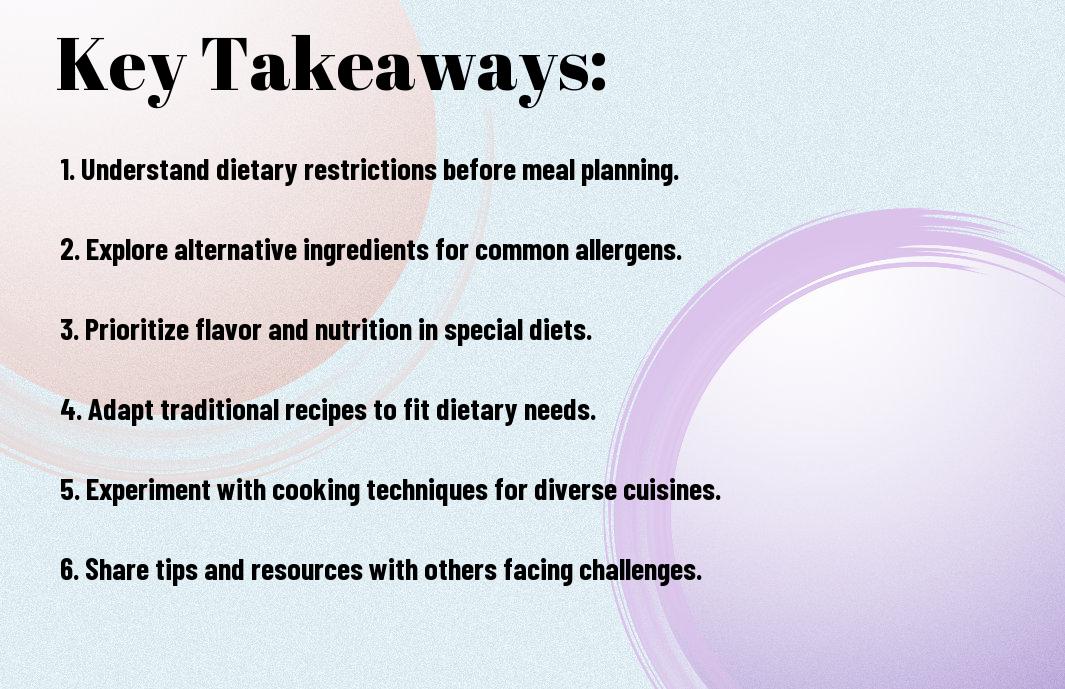
Presently, you have gained insight into special diets and cooking challenges. You understand that adapting to your dietary needs requires flexibility and creativity in the kitchen. By exploring various cooking techniques and ingredient substitutions, you can overcome common challenges and create delicious, personalized meals that cater to your unique requirements, making your culinary journey more enjoyable and satisfying for you.