cooking

How to Cook a Holiday Turkey Without Stress

As you launch on cooking your holiday turkey, you’re likely feeling a mix of excitement and nerves. Fear not, dear cook! With a few simple tips and tricks, you’ll be on your way to a stunning, stress-free holiday meal. Your guests will be impressed, and you’ll be thrilled with the outcome. To get started, take a look at this helpful guide on How to cook perfect roast turkey – the stress-free way! and discover the secrets to a deliciously cooked turkey.

Preparing for the Big Day

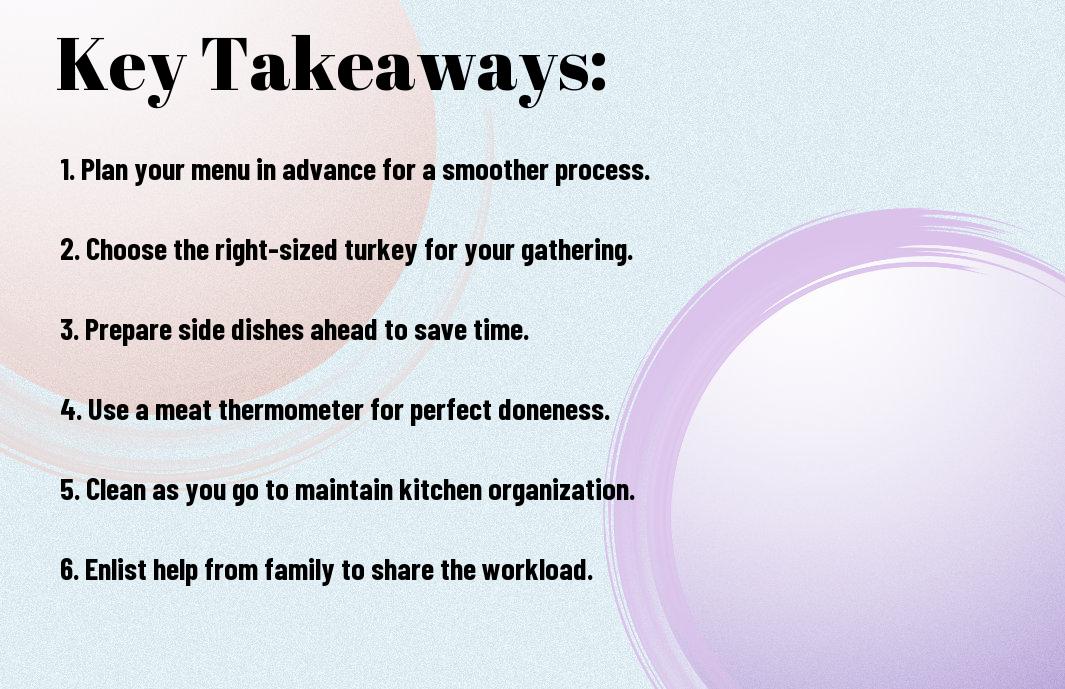
Your holiday turkey dinner will be a success with some advance planning, and by following a few simple steps, you’ll be on your way to a stress-free celebration.

Planning the Menu

Along with the turkey, consider the other dishes you want to serve, and think about your family’s favorite sides and desserts, so you can create a well-rounded and delicious meal that everyone will enjoy.

Making a Shopping List

Alongside your menu plan, start making a list of the ingredients and supplies you’ll need, so you can make sure you have everything on hand when it’s time to start cooking.

For instance, you’ll want to make sure you have a roasting pan that’s large enough to hold your turkey, as well as all the necessary spices and seasonings to bring out the best flavors in your meal, and by checking your list twice, you can avoid last-minute trips to the store and stay focused on cooking a wonderful holiday dinner.
Thawing and Preparing the Turkey

Any holiday meal isn’t complete without a deliciously cooked turkey, and it all starts with proper thawing and preparation. You’ll want to ensure your turkey is thawed and ready for roasting to achieve the perfect flavor and texture.

Safe Thawing Methods

Fortunately, there are several safe ways to thaw your turkey, including thawing it in the refrigerator, in cold water, or in the microwave. You should choose the method that works best for your schedule and the size of your turkey.

Preparing the Turkey for Roasting

Before you start roasting, you’ll need to prepare your turkey by removing the giblets and neck, rinsing it inside and out, and patting it dry with paper towels. You should also season your turkey with your favorite herbs and spices to add extra flavor.

Also, take a moment to consider the type of roast you want to achieve, and adjust your preparation accordingly. You can stuff your turkey with aromatic vegetables like onions and carrots, or rub it with a mixture of butter and herbs for a golden-brown finish. As you prepare your turkey, you’ll be one step closer to a truly unforgettable holiday meal that your family and friends will cherish.

Cooking the Turkey

Once again, you’ll find that cooking a turkey is quite straightforward. Simply preheat your oven to the desired temperature and place the turkey inside, breast side up. Let it cook until it reaches the perfect golden brown color.

Roasting Techniques

Between the options of roasting and grilling, roasting is the way to go for a stress-free holiday turkey. You’ll achieve a deliciously moist and flavorful bird with minimal effort.

Monitoring the Temperature

Around this time, you’ll want to keep an eye on your turkey’s temperature.

Temperature Time
325°F 4-4 1/2 hours
350°F 3-3 1/2 hours

But as you’re checking the temperature, you’ll also want to consider the size of your turkey.

Turkey Size Cooking Time
12-14 pounds 3-3 1/2 hours
14-18 pounds 3 1/2-4 1/2 hours

You’ll find that your patience will be rewarded with a perfectly cooked turkey, and you’ll be the star of your holiday gathering.

Gravy and Side Dishes

After the turkey is cooked, it’s time to focus on the accompaniments that will elevate your holiday meal. You’ll want to create a rich, savory gravy and prepare some delicious side dishes to complement your perfectly roasted turkey.

Making the Perfect Gravy

Once you’ve mastered the art of roasting a turkey, you can turn your attention to crafting a delicious gravy to serve alongside it. You’ll find that making gravy is quite straightforward, and with a few simple ingredients, you can create a rich, flavorful sauce to enhance your meal.

Delicious Side Dish Recipes

Around the holidays, you’ll want to serve side dishes that are both traditional and tasty. You can choose from a variety of options, such as mashed potatoes, green beans, or sweet potatoes, to create a well-rounded and satisfying meal.

In fact, your side dishes can be prepared ahead of time, allowing you to focus on the turkey and gravy on the big day. You can make your favorite recipes or try something new, like roasted Brussels sprouts or creamy spinach, to add some excitement to your holiday table. As you experiment with different side dishes, you’ll find that the key to success lies in using fresh, high-quality ingredients and cooking with love, just as you would when preparing your turkey.

Timing is Everything

Keep your holiday dinner on track by planning ahead. You’ll want to ensure your turkey is cooked to perfection, and that your side dishes are ready at the same time.

Creating a Cooking Schedule

Any experienced cook knows that a schedule is key to a stress-free holiday dinner. You will want to make a timeline of your cooking tasks, from prep work to serving.

Staying on Track

Along with your schedule, you’ll need to stay focused on the tasks at hand. You can do this by breaking down your cooking tasks into smaller, manageable chunks.

At this point, you’ve got your schedule and you’re staying on track, but it’s also important to be flexible. You may need to adjust your timing based on the size of your turkey or the number of side dishes you’re preparing. Don’t worry, with a little practice, you’ll be a pro at cooking a delicious holiday turkey in no time, and your guests will appreciate the effort you put into creating a wonderful meal for them to enjoy.

Presentation and Serving

Despite the hustle and bustle of the holiday season, presenting a beautifully cooked turkey can be a breeze. You’ll want to make a great impression on your guests, and with a few simple touches, your turkey will be the centerpiece of the table.

Beautiful Presentation Ideas

One of the easiest ways to add some flair to your turkey is to garnish it with fresh herbs, such as thyme or rosemary, and arrange it on a platter with some decorative fruits and vegetables. You can also add some golden-brown potatoes and carrots around the turkey for a pop of color.

Serving with Style

Along with a beautifully presented turkey, you’ll want to serve it with style and elegance. You can use your best china and silverware to add a touch of sophistication to the table, and don’t forget to have plenty of gravy and sauces on hand to complement the meal.

To serve your turkey with style, consider setting up a carving station with a beautifully decorated carving board and a sharp knife. You can also have a few serving dishes ready to go, filled with your favorite side dishes, such as mashed potatoes, green beans, and stuffing. As you carve the turkey, you can invite your guests to gather around and help themselves to the various dishes, making the meal feel more interactive and enjoyable.

Final Words

With these considerations, you’ll be well on your way to cooking a delicious holiday turkey without stress. You’ve got your timeline, your tools, and your techniques – now it’s time to put them all together. As you bask in the warm glow of your perfectly cooked turkey, you’ll be proud of your efforts and delighted by the joy it brings to your loved ones, and that, my friend, is the greatest reward of all, making your holiday meal truly special and one to treasure.

How to Create Delicious One-Pot Meals

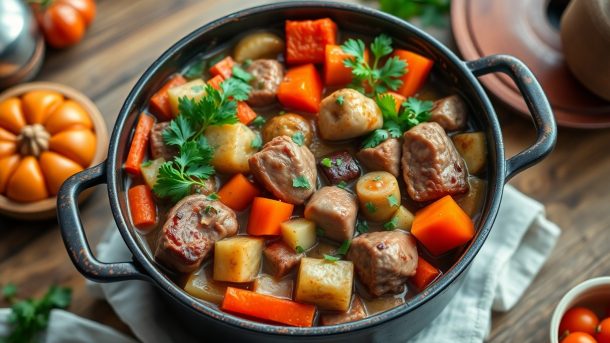
You can simplify your cooking routine with one-pot meals, which offer a convenient and efficient way to prepare healthy and flavorful dishes. Your culinary skills will be put to the test as you explore the world of one-pot cooking, where you can create a variety of meals using just one vessel. You will learn how to combine ingredients, balance flavors, and cook your way to a satisfying meal with ease, making the most of your time and ingredients.

Choosing the Right Ingredients

While creating a one-pot meal, you’ll want to select ingredients that complement each other. For inspiration, check out Easy One Pot Meals to get started. You can then choose ingredients based on your dietary preferences and the recipe you’re following.

Selecting Fresh Produce

Around the time you start planning your one-pot meal, consider the fresh produce that’s in season. You’ll want to pick the freshest ingredients to ensure your dish is full of flavor and nutrients.

Picking the Perfect Proteins

Above all, your protein choice will greatly impact the overall flavor and texture of your one-pot meal. You’ll want to choose a protein that pairs well with your other ingredients and cooking method.

Hence, when selecting your protein, think about the cooking time and method. If you’re short on time, opt for quicker-cooking proteins like chicken or shrimp, and if you have more time, consider heartier options like beef or lamb, which will become tender with longer cooking times, making your one-pot meal delicious and satisfying.

Essential Cooking Techniques

Clearly, mastering a few key techniques will elevate your one-pot meals. You’ll be able to cook a variety of dishes with confidence and ease.

Searing and Browning

Similarly, searing your ingredients will add depth and flavor to your meals. You can achieve a nice brown crust on your protein and vegetables by cooking them in a hot pan with some oil.

Simmering and Braising

Before proceeding with your recipe, understand that simmering and braising are low-heat cooking methods. You can use them to cook tougher cuts of meat and vegetables until they’re tender and flavorful.

To take your simmering and braising to the next level, you’ll want to monitor your heat and liquid levels carefully. You should also be patient, as these methods can take some time, but the end result will be well worth the wait, and your one-pot meal will be rich and satisfying.

One-Pot Meal Ideas

Not only are one-pot meals convenient, but they also offer a world of flavors and possibilities. You can experiment with various ingredients and recipes to create your perfect dish.

Hearty Stews and Soups

By exploring different ingredients and spices, you can create rich and satisfying stews and soups that will become your go-to meals. You’ll find that your favorite ingredients can be combined in numerous ways.

Quick and Easy Skillet Meals

Similarly, soups and skillet meals can be prepared with ease, using your favorite protein and vegetables. You can whip up a delicious meal in no time, perfect for busy days.

Even if you’re short on time, you can still create a mouth-watering skillet meal. You can sauté your ingredients, add some seasonings, and serve a nutritious meal that your family will love. You’ll appreciate the simplicity and flexibility of one-pot cooking, as you can customize your meals to suit your tastes and dietary needs.

Meal Planning and Preparation

All successful one-pot meals start with a solid plan, and as you begin to think about your meal, consider the ingredients and equipment you’ll need to make it happen.

Creating a Grocery List

By taking a few minutes to write down the ingredients you need, you’ll ensure that you have everything on hand to make your one-pot meal a success, and you can avoid last-minute trips to the store.

Prepping Ingredients in Advance

Prepping some ingredients ahead of time can save you time and stress when it’s time to cook, and you can chop vegetables, marinate proteins, and measure out spices to get a head start on your meal.

Creating a routine of prepping ingredients in advance will become second nature as you continue to make one-pot meals, and you’ll find that it helps you to stay organized and focused in the kitchen, allowing you to enjoy the process of cooking and sharing meals with your loved ones.

Cooking and Serving

Once again, you’ll find that one-pot meals are a breeze to cook and serve, as everything is prepared in a single vessel, making the process efficient and streamlined, allowing you to focus on presentation and enjoying your meal.

Bringing it all Together

Only by combining your ingredients and seasonings will you achieve a harmonious balance of flavors, and your one-pot meal will be a true delight, with you as the master chef behind its creation.

Presentation and Garnish

To add a finishing touch to your one-pot meal, consider adding some fresh herbs or a sprinkle of parmesan cheese, which will elevate your dish and make it visually appealing, showcasing your culinary skills to your guests.

At this stage, you can get creative with your presentation, using your one-pot meal as a canvas to express your personality and style, and YOU will be amazed at how a simple garnish can transform your dish into a stunning culinary masterpiece that you’ll be proud to serve and share with others.

Troubleshooting Common Issues

Many one-pot meal cooks encounter problems that can be easily resolved with a few simple tips. You can avoid common pitfalls and create delicious meals by being aware of potential issues and taking steps to prevent them.

Avoiding Overcooking

Around the time your meal is almost done, check it frequently to prevent overcooking. You can adjust the heat or cooking time to ensure your dish turns out perfectly.

Fixing Flavor Imbalances

Flavoring your one-pot meal is an art that requires balance. You can adjust the seasoning, add herbs, or introduce new ingredients to achieve the perfect taste.

Understanding how different flavors interact is key to fixing imbalances in your one-pot meal. You can experiment with various combinations to find the perfect balance of salty, sweet, and savory flavors that enhance your dish, and by doing so, you will create a truly delicious meal that you will enjoy.

Final Words

Upon reflecting on the art of creating one-pot meals, you now have the tools to craft delicious dishes with ease. You can confidently experiment with your favorite ingredients, mastering the techniques to produce mouth-watering meals. With your newfound knowledge, you’ll be able to whip up satisfying one-pot wonders that will impress your family and friends, making mealtime a joyous occasion in your home.

The Rise of Fermented Foods in Modern Cooking

History of Fermentation

While exploring the world of fermented foods, you’ll discover that fermentation has been a cornerstone of culinary practices for thousands of years, with evidence of its use dating back to ancient civilizations.

Ancient Roots

For centuries, you’ve likely been familiar with fermented foods, even if you weren’t aware of the process behind them, as fermentation has been used to preserve and enhance the flavor of foods since ancient times.

Evolution of Techniques

Before submerging into the modern applications of fermentation, you should understand that the techniques used to ferment foods have evolved significantly over time, with different cultures developing their own unique methods and traditions.

Further exploration of the evolution of fermentation techniques will reveal that you can apply these traditional methods to a wide range of ingredients, from vegetables and fruits to meats and dairy products, allowing you to create a variety of delicious and nutritious fermented foods in your own kitchen.

Health Benefits

Even with the growing popularity of fermented foods, their health benefits are still being discovered. As you explore the world of fermentation, you’ll find that these foods can have a significant impact on your overall well-being.

Probiotics and Gut Health

Almost all fermented foods contain probiotics, which support your gut health by introducing beneficial bacteria into your digestive system, helping to boost your immune system and overall health.

Nutrient Enhancement

Around the world, fermented foods are prized for their ability to enhance the nutrient content of ingredients, making them more easily absorbed by your body, and providing you with a range of imperative vitamins and minerals.

It is worth noting that the nutrient enhancement of fermented foods can vary greatly depending on the type of food and the fermentation process used, but in general, you can expect to see an increase in vitamins, minerals, and antioxidants, making them a great addition to your diet.

Modern Applications

Now, you can see fermented foods featured in many modern recipes, and their popularity is on the rise. You can find them in various dishes, from traditional meals to innovative fusion cuisine. As you explore the world of fermented foods, you’ll discover their unique flavors and health benefits.

Farm-to-Table Movement

Momentum is building in the farm-to-table movement, and you’re likely to find fermented foods at the forefront. You’ll see chefs and home cooks embracing local, seasonal ingredients and preserving them through fermentation to create unique flavors and textures in their dishes.

Restaurant Innovation

Applications of fermented foods are being explored in restaurants, and you can experience this trend firsthand. You’ll find chefs using fermentation to add depth and complexity to their dishes, from tangy kimchi to rich, umami sauces.

A key aspect of restaurant innovation is the experimentation with new fermented ingredients and techniques. As you dine out, you’ll notice that chefs are pushing the boundaries of fermentation, incorporating unexpected ingredients and flavors into their menus, and you can expect to see even more exciting developments in this area, with your culinary experiences becoming more diverse and engaging.

Types of Fermented Foods

Many fermented foods are available, including:

  • Sauerkraut
  • Kimchi

The following table shows more types:

Food Type
Cheese Dairy
Yogurt Dairy
Miso Grain
Tempeh Legume
Sourdough Grain

Vegetables and Fruits

Beneath the surface of fermented foods, you’ll find a variety of vegetables and fruits, such as pickles and sauerkraut, that you can easily incorporate into your diet.

Meats and Fish

Besides the common fermented foods, you’ll also find meats and fish, like salami and fish sauce, that can add depth to your cooking.

Further, when exploring fermented meats and fish, you’ll discover a range of flavors and textures that can elevate your dishes, from the savory taste of prosciutto to the umami flavor of anchovies, allowing you to experiment with new recipes and ingredients in your own kitchen.

Cultural Significance

Unlike other food trends, fermented foods have a rich cultural heritage. As you explore the world of fermentation, you can learn more about Is Fermented Food Making a Comeback in Modern Cuisine? and its impact on modern cooking.

Traditional Practices

Approximately, you will find that traditional practices of fermentation vary across cultures, with each having its unique methods and ingredients, allowing you to discover the diversity of fermented foods.

Global Influences

Typically, traditional fermented foods have been influenced by global cuisines, with you noticing the presence of fermented ingredients in many international dishes, reflecting the cultural exchange and diversity of fermented foods.

Hence, as you investigate deeper into the world of fermented foods, you will notice that global influences have played a significant role in shaping the modern fermentation landscape, with you being able to explore a wide range of fermented foods from different cultures, and incorporating them into your cooking to add unique flavors and nutritional benefits to your meals.

Cooking with Fermented Foods

Not only do fermented foods add unique flavors to your dishes, but they also provide numerous health benefits. You can incorporate them into your meals to create delicious and nutritious recipes.

Recipes and Techniques

With an understanding of fermentation, you can experiment with various recipes and techniques to create your own signature dishes, from kimchi to sauerkraut, and enhance your cooking skills.

Pairing and Presentation

Presentation is key when serving fermented foods, as you want to showcase their vibrant colors and textures, making your dishes visually appealing and inviting to your guests.

In fact, when it comes to pairing and presenting fermented foods, you have the opportunity to get creative and think outside the box, considering factors like flavor profiles, textures, and colors to create harmonious and balanced dishes that will impress your family and friends, and leave them wanting more of your culinary creations.

To wrap up

The rise of fermented foods in modern cooking has likely broadened your culinary horizons, introducing you to new flavors and textures. As you explore your options, you can appreciate the versatility and nutritional benefits of fermented foods, enhancing your cooking skills and expanding your palate with unique twists on traditional dishes, allowing you to create innovative recipes that showcase your culinary expertise.

How to Cook with Plant-Based Proteins

You’re likely exploring the world of plant-based proteins, and your kitchen is about to get a whole lot healthier. As you begin to incorporate more plant-based options into your diet, you’ll discover a variety of protein sources to experiment with. You’ll learn how to cook with beans, lentils, and tofu, and unlock the flavors and textures that will take your meals to the next level, making it easy to create delicious and satisfying plant-based dishes that meet your nutritional needs.

Choosing Plant-Based Proteins

A variety of plant-based proteins are available, offering you numerous options to enhance your meals.

Types of Plant-Based Proteins

You can choose from:

  • Tofu
  • Tempeh
  • Seitan
  • Lentils
  • Chickpeas

Thou canselect the ones that suit your taste preferences and dietary needs.

Protein Source Nutritional Value
Tofu High protein, low calories
Tempeh Probiotics, vitamins
Seitan High protein, low fat
Lentils High fiber, low calories
Chickpeas High protein, rich in minerals

Benefits of Plant-Based Proteins

Below are the advantages of incorporating plant-based proteins into your diet, as you will notice improvements in your overall health.

Benefits of plant-based proteins include improved heart health, weight management, and reduced environmental impact, allowing you to make informed decisions about your dietary choices.

Preparing Plant-Based Proteins

Some plant-based proteins require special preparation before cooking, such as soaking or rinsing. You will need to follow specific steps to ensure your plant-based proteins are ready for cooking. Proper preparation can enhance the texture and flavor of your dish.

Storage and Handling

Proteins like tofu and tempeh require proper storage and handling to maintain their quality and safety. You should store them in the refrigerator at a temperature below 40°F (4°C) and consume them before the expiration date.

Basic Cooking Techniques

PlantBased proteins can be cooked using various techniques, such as baking, grilling, or sautéing. You can experiment with different methods to find the one that works best for your recipe, and adjust the cooking time and temperature accordingly.

At the beginning of your plant-based cooking journey, you will likely start with basic cooking techniques like boiling, steaming, or stir-frying. As you become more comfortable with cooking plant-based proteins, you can explore more advanced techniques, such as marinating or braising, to add flavor and texture to your dishes. You can also find many online resources and recipes to help you master these techniques and expand your culinary skills.

Cooking with Legumes

Keep in mind that legumes are a great source of protein and can be easily incorporated into your diet. You can use them in a variety of dishes, from soups to salads, and they can be cooked in a number of ways, including boiling, steaming, and sautéing.

Lentil Recipes

Often, lentils are used in hearty stews and curries, and you can also use them to make delicious soups and salads. You can season them with your favorite spices and herbs to give them a unique flavor.

Bean Recipes

With beans, you have a wide range of options, from chili and stews to salads and dips. You can use them to make a variety of dishes, and they can be cooked in a number of ways, including boiling, baking, and sautéing.

Recipes using beans are endless, and you can experiment with different types of beans, such as kidney beans, black beans, and chickpeas, to create your own unique dishes. You can also use them to make vegetarian and vegan versions of your favorite meals, and they can be a great addition to your meal prep routine.

Tofu and Tempeh in Cooking

All plant-based cooks should explore tofu and tempeh as protein sources. You can learn more about The Best Ways to Cook With Plant-Based Meat to elevate your dishes.

Marinating and Seasoning

To enhance the flavor of your tofu and tempeh, try marinating and seasoning them before cooking. You will find that this step makes a significant difference in the taste and texture of your final dish.

Stir-Frying and Baking

The key to cooking tofu and tempeh is to use high heat and quick cooking methods. You can stir-fry or bake them to achieve a delicious and satisfying texture.

Plus, when you stir-fry or bake tofu and tempeh, you can add your favorite sauces and spices to create a personalized flavor profile that complements your meal. As you experiment with different seasonings and cooking methods, you will discover your preferred ways to prepare these plant-based proteins, making them a staple in your kitchen.

Plant-Based Protein Sources from Grains

To explore plant-based protein sources from grains, you will find a variety of options. You can choose from quinoa, amaranth, seitan, and gluten, among others, to boost your protein intake.

Quinoa and Amaranth

Amidst the array of grain options, you’ll discover that quinoa and amaranth are complete proteins, offering all imperative amino acids your body needs, making them excellent choices for your meals.

Seitan and Gluten

For those interested in wheat-based protein sources, seitan and gluten are viable options, derived from wheat gluten, and can be used in a variety of dishes to increase your protein consumption.

Due to their versatility and high protein content, you can use seitan and gluten in place of meat in many recipes, allowing you to create innovative and satisfying plant-based meals that meet your nutritional needs.

Incorporating Plant-Based Proteins into Meals

Many people find it easy to incorporate plant-based proteins into their meals, and you can start by substituting traditional protein sources with plant-based options. You can add nuts, seeds, and legumes to your favorite dishes to boost protein content. This simple swap will not only increase your protein intake but also add fiber, vitamins, and minerals to your diet.

Breakfast Ideas

Any morning meal can be a great opportunity to add plant-based proteins, and you can start your day with a protein-packed breakfast. You can try adding tofu, tempeh, or seitan to your omelets or scrambled eggs, or opt for plant-based milk and nut butters on your toast or cereal.

Dinner Recipes

Any dinner recipe can be modified to include plant-based proteins, and you can easily substitute meat with plant-based options. You can try using lentils, chickpeas, or black beans in your favorite stir-fries, curries, or stews, and experiment with different seasonings and spices to find your favorite flavors.

Meals like veggie burgers, pasta dishes, and salads can also be great ways to incorporate plant-based proteins into your dinner routine. You can experiment with different types of plant-based protein sources, such as tofu, tempeh, or seitan, and find the ones that work best for you and your taste preferences. As you get more comfortable with plant-based proteins, you can start to get creative and develop your own unique dinner recipes.

Conclusion

To wrap up, you now have the foundation to cook with plant-based proteins. You can experiment with various options, incorporating your favorite ingredients into delicious meals. Your newfound knowledge will help you create nutritious and satisfying dishes, making the transition to plant-based eating easier. You will discover new flavors and textures, enhancing your culinary skills and broadening your dietary choices.

How to Make Creamy Risotto From Scratch

You’re about to launch on a culinary journey to create a rich and velvety Italian dish. Making creamy risotto from scratch can seem intimidating, but with your attention to detail and a bit of practice, you’ll be able to achieve a perfect, restaurant-quality meal. You’ll learn the techniques and ingredients needed to bring out the best flavors in your risotto, allowing you to impress your family and friends with your culinary skills. Your delicious homemade risotto is just a few steps away.

Essential Ingredients

The foundation of a great risotto lies in the ingredients you choose. You will need Arborio rice, white wine, broth, and a combination of grated cheese and butter to create the creamy texture.

Quality of Rice

Contrary to what you might think, not all rice is created equal, and for risotto, you need a specific type that holds its shape and yields a creamy texture when cooked.

Flavorful Broth

Among the ingredients, a high-quality broth is vital, as it will be the base of your risotto’s flavor, and you should opt for a homemade or store-bought variety that is low in sodium.

But as you examine deeper into the world of flavorful broths, you will discover that the options are endless, and you can experiment with different vegetables, meats, and spices to create a unique taste that complements your risotto perfectly, allowing you to customize the dish to your liking.

Preparation Techniques

Clearly, to achieve a creamy risotto, you need to understand the fundamental techniques involved in its preparation. You will be working with Arborio rice, white wine, and stock, which require specific handling to produce the desired texture and flavor.

Saffron and Aromatics

Beneath the surface of a great risotto lies a combination of saffron and aromatics that enhance its flavor and aroma. You will be adding these ingredients at the right moment to infuse your dish with depth and richness, allowing you to create a truly exceptional culinary experience.

Softening the Onions

Prior to adding the rice, you will start by softening the onions, which is a step that lays the foundation for your risotto’s flavor. You will cook the onions until they are translucent and caramelized, bringing out their natural sweetness, which will complement the other ingredients in your dish.

Even as you soften the onions, you are developing the base flavor of your risotto, and this step will significantly impact the final taste of your dish. You should stir the onions frequently to prevent burning, allowing them to cook slowly and evenly, and fill your kitchen with a sweet, savory aroma that hints at the deliciousness to come.

Building the Risotto

Keep in mind that making risotto from scratch requires patience and practice, as you can see in this recipe for Creamy Parmesan Risotto – Grace and Good Eats, to achieve the perfect creamy texture.

Adding the Rice

About now, you’ll add your rice to the pot, stirring to coat the grains in oil and mix with the aromatics, starting the process of building your risotto.

Gradual Stirring

Before you proceed, take note that gradual stirring is key to releasing the starches from the rice, creating the signature creamy texture of a well-made risotto.

It is imperative to stir constantly, adding the liquid gradually, allowing each portion to absorb before adding the next, as you work towards creating a smooth and creamy consistency in your risotto, and you will be able to achieve this with practice and patience, yielding a delicious and authentic Italian dish..

Enhancing Flavors

Now that you’ve mastered the basic risotto technique, it’s time to elevate your dish with additional flavors, allowing you to create a culinary masterpiece that showcases your skill and creativity.

White Wine and Stock

Supplying your risotto with a good white wine and stock will give it a depth of flavor, and as you cook, the liquid will be absorbed, leaving your dish rich and creamy, with you in control of the flavor balance.

Cheese and Seasoning

Enhancing your risotto with cheese and seasoning is where you can get creative, selecting ingredients that complement your dish, with you choosing the perfect combination to take your risotto to the next level.

To perfect your cheese and seasoning blend, you will want to experiment with different types of cheese, such as Parmesan or Asiago, and balance them with herbs and spices, ensuring that your risotto is both refined and delicious, with your personal touch making it truly special.

Achieving Creaminess

For a rich and creamy risotto, you need to focus on the texture and consistency of the dish. You will need to balance the liquid and starch levels to achieve the perfect creaminess.

Constant Stirring

One key element in making a creamy risotto is continuous stirring, which helps to break down the starches in the rice, creating a smooth and velvety texture that you will love.

Finishing Touches

About the final stages of cooking, you will need to add your finishing touches, such as grated cheese and butter, to enhance the flavor and creaminess of your risotto.

And as you add these final ingredients, you will notice that your risotto transforms into a decadent and indulgent dish, with a creamy texture that coats your plate and a flavor that will leave you wanting more, now it’s up to you to experiment with different ingredients and techniques to make your risotto truly unique.

Presentation and Serving

Despite the simplicity of risotto, its presentation can elevate the dining experience. You can add a creative touch to make it visually appealing.

Plating and Garnish

By adding a sprinkle of parmesan cheese and a drizzle of extra virgin olive oil, you can enhance the flavor and appearance of your dish. You can also garnish with fresh herbs to add a pop of color.

Accompanying Dishes

Any number of dishes can complement your creamy risotto, such as roasted vegetables or grilled meats. You can choose your favorite sides to serve alongside your risotto.

In addition, you may consider serving your risotto with a side of garlic bread or a green salad to round out the meal. You can also experiment with different wine pairings to find the perfect match for your risotto, and as you explore various options, you will find that your risotto dish becomes a complete and satisfying meal.

Summing up

Summing up, you now have the skills to make creamy risotto from scratch. You’ve learned to prepare your ingredients, cook the Arborio rice, and add your chosen flavors. With your newfound knowledge, you can create your perfect risotto, adjusting the recipe to suit your tastes. As you practice, your technique will improve, and you’ll be able to achieve a rich, creamy texture in your risotto, making it a staple in your culinary repertoire.

Same O Skip to content