cook

How to Cook with Seasonal Ingredients

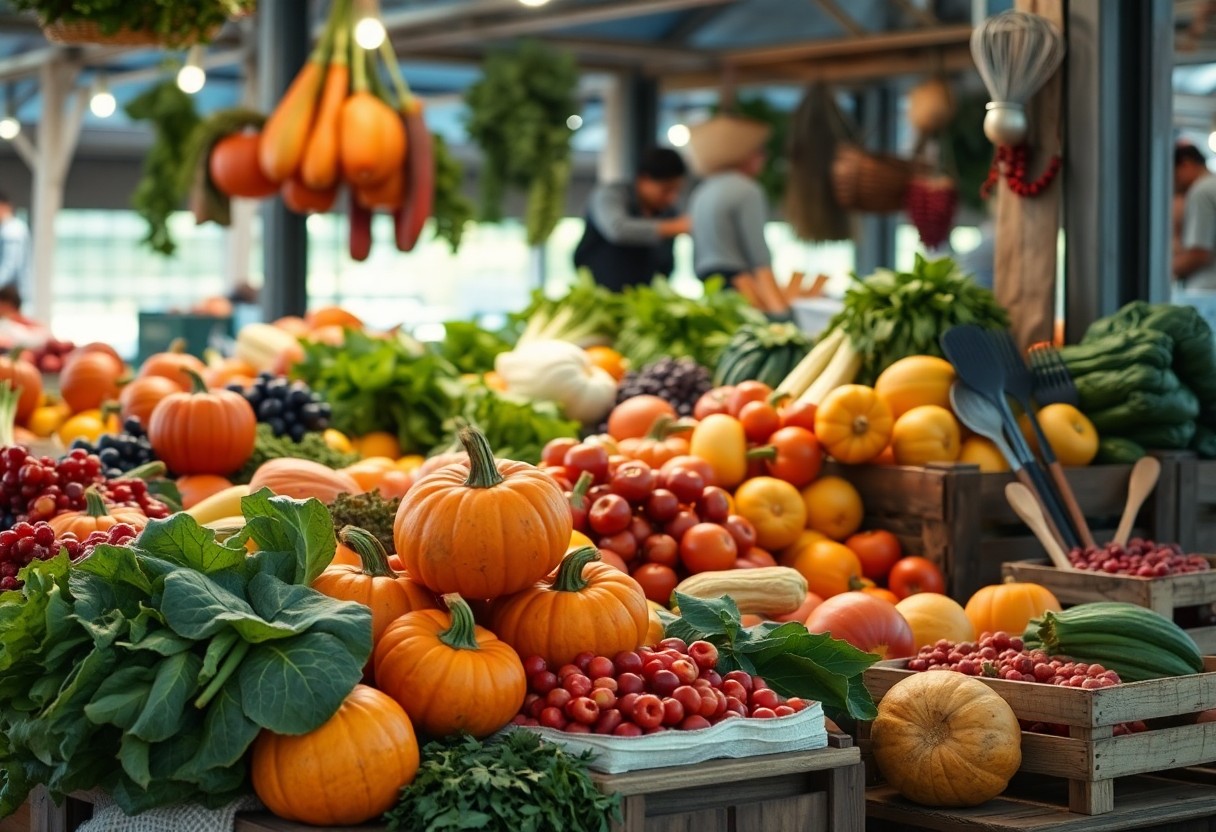
As you explore the world of cooking, you’ll discover that using seasonal ingredients can elevate your dishes to the next level. You’ll find that your meals are more flavorful and nutritious when made with fresh, locally sourced produce. By incorporating seasonal ingredients into your cooking routine, you’ll not only support local farmers but also reduce your environmental impact. In this post, you’ll learn how to make the most of your local market’s offerings and create delicious meals that showcase the best of each season.
Springtime Delights

While exploring the world of seasonal cooking, you’ll discover the joys of springtime ingredients. As the weather warms up, your kitchen can come alive with vibrant flavors and colors.

Incorporating Fresh Herbs

Almost any dish can be elevated by the addition of fresh herbs, and you can use them to add depth and complexity to your springtime recipes. You can grow your own herbs or find them at your local farmer’s market.

Seasonal Fruits and Vegetables

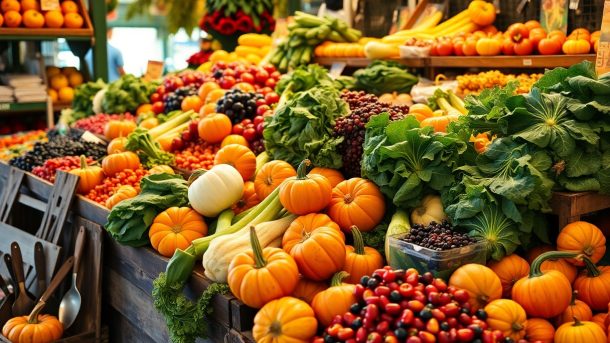
Freshly available produce like asparagus, strawberries, and rhubarb can inspire your springtime cooking. You can use these ingredients to create delicious salads, desserts, and main courses that showcase the best of the season.

Springtime brings a wide variety of seasonal fruits and vegetables to your table, and you can experiment with new recipes and flavors. You can try pairing sweet strawberries with tangy rhubarb, or grilling asparagus to bring out its natural sweetness, and your dishes will be filled with the fresh flavors of the season.
Summer Harvest

Some of the freshest ingredients are available during the summer season, making it an exciting time to cook with seasonal ingredients. You can find a variety of colorful vegetables, juicy fruits, and fragrant herbs at your local market.

Grilling and Roasting

Taking advantage of the summer weather, you can try grilling and roasting your favorite ingredients to bring out their natural flavors. You will find that your dishes are elevated with the smoky flavor of grilled meats and the caramelized taste of roasted vegetables.

Chilled Soups and Salads

After a long day, you can cool down with a refreshing chilled soup or salad made with summer’s bounty. You can puree your favorite vegetables and herbs to create a soothing soup, or combine them with mixed greens for a healthy salad.

Indeed, chilled soups and salads are perfect for hot summer days, and you can get creative with your ingredients. You can add a splash of citrus, a dollop of yogurt, or a sprinkle of fresh herbs to give your dish a burst of flavor, making your summer meals a delightful experience.

Autumn Abundance

Once again, the seasons change, and your kitchen is filled with the flavors of autumn. You’ll find an array of vibrant ingredients, from juicy apples to plump squash, perfect for creating hearty and comforting dishes.

Hearty Stews and Braises

Besides the comforting warmth, stews and braises offer a great way to cook with seasonal ingredients. You can combine your favorite autumnal produce, such as carrots and parsnips, with tender meat for a satisfying meal.

Roasted Root Vegetables

Rooted in tradition, roasted root vegetables are a staple of autumn cooking. You can toss your favorite roots, like beets and sweet potatoes, in olive oil and seasonings, then roast to perfection.

For instance, you can experiment with different seasoning blends, such as cumin and coriander, to add depth to your roasted root vegetables. You’ll discover that the natural sweetness of the roots pairs beautifully with the warmth of autumn spices, creating a truly delicious and satisfying side dish that complements your favorite meals.

Winter Warmth

Unlike other seasons, winter offers a unique opportunity to cook hearty, comforting dishes. You can find plenty of inspiration for seasonal recipes at Seasonal recipe ideas to warm your kitchen and your belly.

Comforting Casseroles

Casseroles are a staple of winter cooking, and you can create delicious, satisfying meals by layering your favorite ingredients in a dish. You’ll love the rich flavors and aromas that fill your kitchen as your casserole bakes to perfection.

Soups and Stews for Cold Nights

On chilly evenings, a warm bowl of soup or stew is just what you need to feel cozy. You can choose from a variety of ingredients, such as beans, vegetables, and lean proteins, to create nourishing meals that will become your winter favorites.

Due to the cold weather, you’ll appreciate the convenience of slow-cooked soups and stews that simmer on your stovetop or in your slow cooker, filling your home with inviting aromas and providing you with a comforting, warming meal after a long day.

Preserving the Seasons

After you’ve enjoyed the freshest flavors of the season, consider preserving some ingredients for later use. This way, you can savor your favorite flavors year-round and make the most of your seasonal ingredients.

Canning and Freezing

Beneath the surface of preserving lies a world of possibilities, including canning and freezing, which allow you to store your seasonal ingredients for extended periods, keeping their flavors and nutrients intact, and enabling you to incorporate them into your cooking throughout the year.

Pickling and Dehydrating

For achieving long-term preservation, pickling and dehydrating are excellent methods, as they not only preserve your ingredients but also add new dimensions to their flavors and textures, giving you a wide range of creative options for your dishes.

Consequently, as you explore pickling and dehydrating, you’ll find that these methods can elevate your cooking, allowing you to experiment with novel flavors and ingredients, and to add unique twists to your favorite recipes, making your culinary creations even more engaging and delicious.

Meal Planning and Budgeting

For effective cooking with seasonal ingredients, you need to plan your meals and budget accordingly. This involves researching recipes, creating a shopping list, and allocating a specific budget for your ingredients. By doing so, you can ensure that you stay within your means while still enjoying delicious and healthy meals made with fresh, seasonal produce.

Shopping at Farmer’s Markets

Along with visiting local grocery stores, you can also explore farmer’s markets to find the best seasonal ingredients. These markets often offer a wide variety of fresh produce, meats, and dairy products, allowing you to choose the freshest ingredients for your meals. You can interact with the farmers, learn about their produce, and get tips on how to use them in your cooking.

Reducing Food Waste

Between planning your meals and shopping for ingredients, you can take steps to reduce food waste in your kitchen. You can use up leftover ingredients in creative ways, such as turning last night’s dinner into tomorrow’s lunch. This not only saves you money but also helps reduce your environmental impact.

Shopping smartly is key to reducing food waste. You can start by planning your meals for the week, making a list of the ingredients you need, and sticking to it when you’re at the store. You can also shop your fridge and pantry first to use up ingredients that are already on hand, and consider buying “ugly” or imperfect produce, which is often cheaper and just as nutritious as its perfect counterparts. By taking these steps, you can help reduce food waste and make the most of your seasonal ingredients.

Summing up

Considering all points, you now have a solid foundation for cooking with seasonal ingredients. You can elevate your dishes by incorporating fresh, locally sourced produce into your recipes. By doing so, you will not only enjoy better flavors, but also support your local community and reduce your environmental impact. Your cooking will become more vibrant and dynamic, as you experiment with the unique flavors of each season.

How to Cook with Wine for Better Flavor

As you launch on your culinary journey, you’ll discover that cooking with wine is a simple way to elevate your dishes and add depth to your favorite recipes. You’ll be delighted to find that incorporating wine into your cooking is easier than you think, and the payoff is well worth the effort. With a few basic techniques and a bit of practice, you’ll be able to unlock the full flavor potential of your ingredients and create truly unforgettable meals that will impress your family and friends, all with the help of a good bottle of wine.

Selecting the Right Wine for Cooking

While cooking with wine, you’ll want to choose a variety that complements your dish. You’ll find that the right wine can elevate your cooking, adding depth and richness to your favorite recipes. As you explore the world of cooking with wine, you’ll discover that the options are endless, and your choices will depend on the type of dish you’re preparing and your personal taste preferences.

Choosing Red or White Wine

Besides the type of dish, you’ll also consider the color of the wine. You’ll choose a red wine for hearty dishes like braises and stews, while a white wine is perfect for delicate fish and poultry dishes. Your selection will ultimately depend on the flavor profile you want to achieve in your cooking.

Considering the Acidity and Tannins

Along with the color and type of wine, you’ll think about the acidity and tannins. You’ll find that a wine with high acidity will cut through rich flavors, while a wine with high tannins will add a dry, astringent taste to your dish. Your goal is to balance these elements to create a harmonious flavor profile in your cooking.

This balance of acidity and tannins is what will make your dishes truly sing. You’ll experiment with different wines to find the perfect balance for your recipes, and as you cook with wine, you’ll develop your own intuition about which wines work best for you. With a little practice, you’ll be cooking like a pro, and your dishes will be filled with the rich, depth of flavor that only wine can provide. As you cook, you’ll find that the world of wine opens up a new realm of possibilities, and you’ll be excited to explore and discover new flavors to add to your repertoire.

Basic Cooking Techniques with Wine

There’s no denying that wine can elevate the flavor of your dishes, and it’s quite easy to incorporate it into your cooking. You can use wine to add depth and complexity to your sauces, soups, and braises, and it’s a great way to add a touch of sophistication to your meals.

Deglazing and Reducing

One of the simplest ways to use wine in cooking is to deglaze a pan, scraping up all the browned bits from the bottom, and then reducing the liquid to create a rich, syrupy sauce that you can serve over your dish.

Braising and Stewing

Around the world, cooks use wine to braise and stew tougher cuts of meat, resulting in tender, fall-apart textures and rich, flavorful sauces that you’ll want to serve over mashed potatoes or egg noodles.

Considering the slow-cooked nature of braising and stewing, you’ll want to choose a wine that complements the flavors of your dish, such as a bold red wine for beef or a crisp white wine for chicken or pork, and let it simmer away, allowing the flavors to meld together in perfect harmony, resulting in a deliciously satisfying meal that you’ll be proud to serve to your family and friends.

Cooking with Wine for Specific Dishes

For many of you, cooking with wine is an art that elevates your dishes to a whole new level. As you explore the world of wine-infused cuisine, you’ll find that certain types of wine pair perfectly with specific ingredients, creating unforgettable flavors and aromas.

Coq au Vin and Boeuf Bourguignon

About these classic French dishes, you’ll discover that red wine is the foundation of their rich, bold flavors. You’ll be delighted to find that the slow-cooked meats and vegetables absorb the wine’s deep, velvety texture, resulting in tender, fall-apart goodness.

Seafood and Chicken Recipes

Dishes like seafood paella and chicken piccata are elevated by the addition of white wine, which adds a bright, zesty flavor to your creations. You’ll love how the acidity of the wine cuts through the richness of the ingredients, creating a beautiful balance of flavors.

Hence, as you experiment with seafood and chicken recipes, consider the type of wine that will complement your ingredients. You might find that a dry white wine pairs exquisitely with delicate fish, while a richer, oakier wine enhances the flavors of roasted chicken, allowing you to create dishes that are truly your own and utterly delicious.

Enhancing Flavors with Wine

After experimenting with various techniques, you’ll find that cooking with wine elevates your dishes to new heights. For more tips, visit How to Cook with Wine for Delicious Meals to discover the secrets of infusing your recipes with wine.

Marinating and Tenderizing

Any discerning chef knows that marinating meat in wine can make it tender and full of flavor, allowing you to create mouthwatering dishes with ease, and you can achieve this in your own kitchen by following a few simple steps.

Adding Aroma and Depth

Wine adds a richness to your cooking, and when you use it to add aroma and depth, you’ll be amazed at the complexity of flavors you can create, making your meals truly unforgettable, and with a little practice, you’ll be a master of wine-infused cuisine.

It is quite simple to add aroma and depth to your dishes with wine, and you can start by reducing wine to create a glaze or using it to deglaze a pan, releasing all the lovely browned bits that add so much flavor to your sauces, and as you experiment with different wines and techniques, you’ll find that your cooking becomes more nuanced and delicious, and you’ll love the process of discovering new flavors and aromas to enhance your recipes.

Common Mistakes to Avoid

Keep in mind that cooking with wine can be a delicate process, and making mistakes can affect the flavor of your dish. You’ll want to be mindful of the common pitfalls that can occur when cooking with wine.

Overpowering Dishes with Wine

About the amount of wine you use, be careful not to add too much, as it can overpower the other flavors in your dish. You want the wine to enhance the flavors, not overwhelm them.

Not Reducing Wine Properly

With wine reduction, the key is to cook the wine slowly to concentrate the flavors. You’ll want to take your time and let the wine simmer until it reaches the desired consistency.

It is crucial to understand that reducing wine properly will bring out the rich, depth of flavor you’re looking for in your dish. As you cook the wine, the liquid will evaporate, leaving behind a concentrated, syrupy sauce that will add a new level of complexity to your recipe. You’ll be amazed at the difference it makes in your cooking, and your dishes will be all the more delicious for it.

Experimenting with Wine in Different Cuisines

Despite the vast array of options, you’ll find that wine can elevate dishes from various cuisines. You’ll discover new flavors and techniques to incorporate into your cooking, making each meal more exciting.

Italian and French Cuisine

Beneath the surface of these classic cuisines, you’ll find wine is often used to add depth and richness. You can try using red wine to braise short ribs or white wine to steam mussels, and watch your dishes come alive with flavor.

Asian and Latin American Cuisine

Beside the traditional uses of wine in European cuisine, you’ll find unique and interesting ways to incorporate it into Asian and Latin American dishes. You can use sake or mirin to add a sweet and savory flavor to your stir-fries, or try using a rich red wine to marinate your empanadas.

With a little experimentation, you’ll discover the amazing ways wine can enhance the bold flavors of Asian and Latin American cuisine. You can try pairing a dry white wine with spicy Korean BBQ or using a fruity red wine to balance the richness of Brazilian feijoada, and your taste buds will thank you.

Conclusion

Considering all points, you now have the tools to unlock the rich flavors of cooking with wine. As you experiment with your new skills, your dishes will be infused with a depth and complexity that will delight your taste buds. With practice, you’ll find that wine becomes an vital ingredient in your kitchen, elevating your cooking to new heights and making every meal a joy to prepare and share with others.

How to Cook Healthy Meals Without Losing Flavor

Get ready to launch on a delightful culinary journey, where your taste buds and your health will thank you! As you step into the kitchen, you’ll discover that cooking healthy meals doesn’t mean sacrificing flavor. You’ll learn to prepare dishes that are not only nutritious but also bursting with delicious flavors, and you’ll be amazed at how easy it is to make healthy choices without compromising on taste. Your meals will be a symphony of colors, textures, and tastes that will leave you and your loved ones wanting more.

Planning Healthy Meals

The key to cooking healthy meals without losing flavor is to start with a solid plan. You’ll want to consider your dietary goals, the ingredients you have on hand, and the time you have available to cook. By taking a few minutes to plan your meals, you’ll be able to create delicious and healthy dishes that you’ll love.

Setting Goals and Objectives

Among the first steps in planning healthy meals is to define what you want to achieve. You get to decide what healthy means to you, and what kind of meals you want to cook. Consider your lifestyle, your tastes, and your goals, and use these to guide your meal planning.

Exploring Healthy Ingredients

Beside the recipes you choose, the ingredients you use will have a big impact on the healthiness of your meals. You’ll want to focus on whole, unprocessed foods like vegetables, fruits, and whole grains, and learn how to use them in new and exciting ways.

Healthy ingredients are the foundation of healthy meals, and you’ll find that they can add tremendous flavor and variety to your cooking. You can experiment with different spices, herbs, and seasonings to add depth and complexity to your dishes, and find healthy alternatives to your favorite ingredients. As you explore the world of healthy ingredients, you’ll discover new flavors and techniques that will take your cooking to the next level.

Essential Cooking Techniques

There’s an art to cooking healthy meals that are bursting with flavor, and it begins with mastering a few fundamental techniques that will elevate your dishes to new heights, allowing you to create culinary masterpieces that delight your senses.

Roasting and Grilling

Beneath the surface of these cooking methods lies a world of possibilities, and as you explore roasting and grilling, you’ll discover how easily you can bring out the natural flavors of your ingredients, adding a depth and richness to your meals that will leave you wanting more.

Sautéing and Steaming

Toward the goal of cooking healthy meals without losing flavor, you’ll find that sautéing and steaming are invaluable techniques, allowing you to prepare a wide variety of dishes with ease, from hearty stir-fries to delicate vegetable medleys, all while preserving the nutrients and flavors of your ingredients.

Cooking with these techniques in mind, you’ll soon find that sautéing and steaming become second nature, and you’ll be able to whip up a delicious, healthy meal in no time, experimenting with different seasonings and ingredients to create dishes that are truly your own, and that showcase your unique culinary style, all while nourishing your body and delighting your taste buds.

Flavor Enhancement Strategies

After mastering the basics of healthy cooking, you can focus on elevating the flavor of your dishes. You’ll discover that healthy meals can be bursting with flavor, and it’s all about using the right techniques and ingredients to bring out the best in your food.

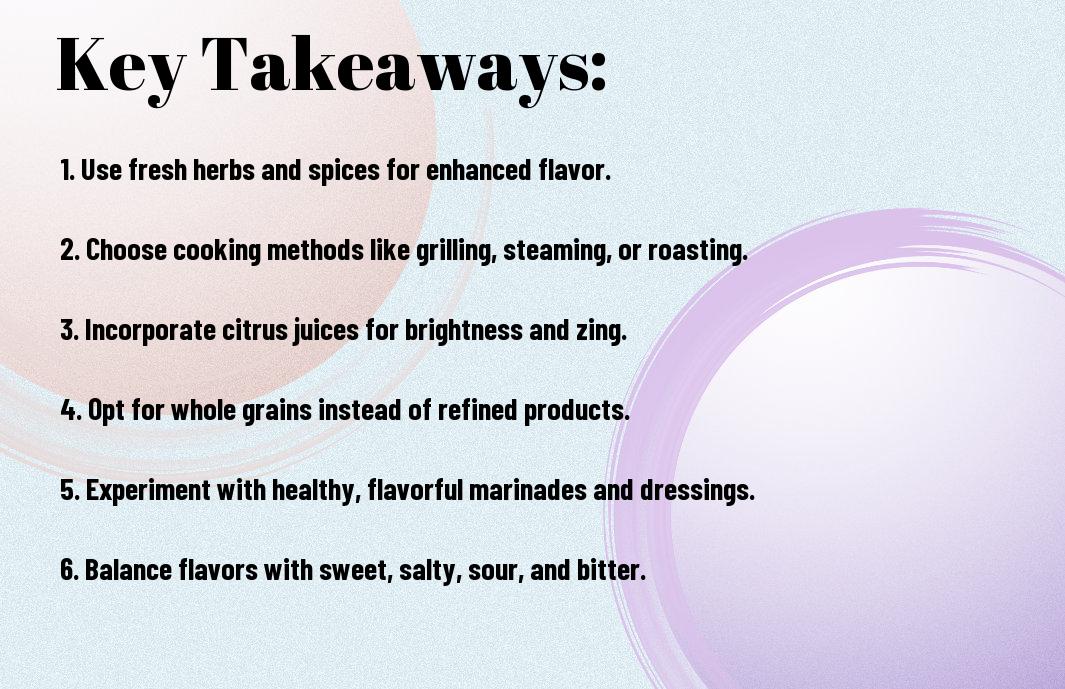
Herbs and Spices

Across the globe, various herbs and spices add depth and complexity to healthy meals. You can experiment with different combinations to find the perfect blend that suits your taste, and don’t be afraid to get creative with your seasoning.

Aromatics and Marinades

After selecting your ingredients, you can start thinking about how to enhance their natural flavors. You’ll find that aromatics like onions and garlic, and marinades made with healthy oils and acids, can add incredible flavor to your dishes.

Indeed, the key to making the most of aromatics and marinades is to use them thoughtfully. You can sauté your aromatics to bring out their sweetness, and let your ingredients marinate for a few hours to allow the flavors to meld together. As you experiment with different techniques, you’ll find that your healthy meals are transformed into truly delicious experiences.

Creating Balanced Meals

Many of you struggle to create meals that are both healthy and flavorful. You can find inspiration in 17 Healthy No-Prep Recipes for the Days When You Just Can’t, which offers a variety of delicious options to get you started.

Protein and Vegetable Combinations

Obviously, pairing protein sources with vegetables is a great way to create balanced meals, and you can experiment with different combinations to find your favorites, making mealtime a joyful experience.

Whole Grains and Healthy Fats

Similarly, incorporating whole grains and healthy fats into your meals will add depth and satisfaction, and you’ll love how these ingredients enhance your dishes, making them more enjoyable to eat.

Hence, as you explore the world of whole grains and healthy fats, you’ll discover a wealth of possibilities, from nutty brown rice to creamy avocado, and you’ll be amazed at how easily these ingredients can elevate your meals, making them truly special and delicious, just the way you like them.

Meal Preparation Tips

Your approach to meal preparation can make all the difference in cooking healthy meals without losing flavor. Consider the following:

  • Plan your meals
  • Make a grocery list
  • After implementing these tips, you’ll be well on your way to delicious and healthy meals.

    Time-Saving Methods

    Meanwhile, preparing meals in advance saves you time and effort. You can chop vegetables, marinate meats, and cook grains ahead of time, making the cooking process more efficient.

    Kitchen Essentials

    Similarly, methods like batch cooking and one-pot meals can be a huge help. You’ll need a well-stocked kitchen with basic tools and ingredients to make these methods work for you.

    To get started with kitchen vitals, you’ll want to invest in a good set of knives, cutting boards, and pots and pans. You’ll also want to stock your pantry with staples like olive oil, spices, and herbs, which will allow you to add flavor to your meals without relying on salt and sugar. As you become more comfortable in the kitchen, you can experiment with new ingredients and tools to expand your cooking repertoire.

    Staying Motivated

    Once again, you’re taking a step towards a healthier, more flavorful you, and that’s something to be proud of! You’re on a journey to cook healthy meals without sacrificing taste, and with a positive attitude, you’ll be whipping up delicious dishes in no time.

    Overcoming Cooking Challenges

    To tackle the obstacles that may come your way, try breaking down complex recipes into simpler steps, and don’t be afraid to experiment and try new things – it’s all part of the fun!

    Finding Inspiration

    Motivated by the prospect of a healthier, happier you, you’ll start to seek out new recipes and cooking techniques to try, and soon you’ll be inspired by the endless possibilities in the world of healthy cooking.

    For instance, you can find inspiration in the seasons, using fresh, locally-sourced ingredients to create dishes that are both nutritious and delicious, and don’t be surprised if you start to feel like a culinary artist, experimenting with colors, textures, and flavors to create your own unique masterpieces – bon appétit!

    To wrap up

    Summing up, you’ve now got the secrets to cooking healthy meals that are bursting with flavor. You’ve learned to balance your ingredients, experiment with spices, and have fun in the kitchen. Your meals will be a symphony of tastes and textures, delighting your senses and nourishing your body. So go ahead, get cooking, and savor the joy of creating delicious, healthy meals that bring you and your loved ones together!

Skip to content