Aging

How do whole grains support healthy aging

Many of you may not know that incorporating whole grains into your diet can play a vital role in supporting healthy aging. According to health studies, consuming whole grains can have numerous benefits for your overall well-being as you grow older. Let’s explore the ways in which whole grains can help you age gracefully and maintain your health for years to come.

Key Takeaways:

  • Fiber content: Whole grains are rich in fiber, which aids in digestion, helps maintain a healthy weight, and reduces the risk of chronic diseases such as heart disease and diabetes.
  • Nutrient density: Whole grains contain imperative nutrients like vitamins, minerals, and antioxidants that support overall health and protect against age-related diseases.
  • Brain health: Consuming whole grains has been linked to improved cognitive function and a reduced risk of cognitive decline as we age, promoting healthy aging.

The Science Behind Whole Grains

Definition and Composition of Whole Grains

An imperative component of a healthy diet, whole grains are grains that contain all parts of the seed, including the bran, germ, and endosperm. This means that when you consume whole grains, you are getting all the nutrients these parts provide. Examples of whole grains include brown rice, quinoa, whole wheat, oats, and barley. These grains are rich in fiber, vitamins, minerals, and antioxidants that are beneficial for your overall health.

Nutrient-Dense Profile of Whole Grains

Science shows that whole grains are nutrient powerhouses, packed with imperative nutrients that support your health as you age. These grains are excellent sources of fiber, which aids in digestion, helps you feel full longer, and supports heart health. They also provide key vitamins and minerals such as B vitamins, iron, magnesium, and selenium, which are important for energy production, immune function, and bone health.

Behind the scenes, the nutrient-dense profile of whole grains works synergistically to provide you with a wide array of health benefits. The combination of fiber, vitamins, minerals, and antioxidants in whole grains helps reduce the risk of chronic diseases such as heart disease, diabetes, and certain types of cancer. By including a variety of whole grains in your diet, you are nourishing your body with the imperative nutrients it needs to thrive as you age.

The Role of Whole Grains in Healthy Aging

Slowing Down Cellular Aging

Aging is a natural process that affects your body at the cellular level. Research suggests that whole grains play a crucial role in slowing down cellular aging. Whole grains are rich in antioxidants, vitamins, and minerals that help protect your cells from damage caused by free radicals. By including whole grains in your diet, you can potentially reduce the rate at which your cells age, promoting overall health and well-being as you grow older.

Reducing Inflammation and Oxidative Stress

Cellular inflammation and oxidative stress are key factors that contribute to the aging process. Whole grains have anti-inflammatory properties and are packed with antioxidants that can help combat these harmful effects. By incorporating a variety of whole grains such as brown rice, quinoa, and whole wheat into your meals, you can lower inflammation levels in your body and reduce oxidative stress. This, in turn, can support healthy aging and may lower your risk of age-related diseases.

Grains such as oats and barley contain beta-glucan, a type of fiber that has been shown to reduce inflammation in the body. Including these grains in your diet can help maintain a healthy balance of inflammation and support your overall health as you age.

Cardiovascular Health and Whole Grains

For more information on how whole grains can support your cardiovascular health as you age, check out How Whole Grains Help Seniors.

Lowering Cholesterol Levels and Blood Pressure

Levels of cholesterol and blood pressure are crucial indicators of heart health. Whole grains play a key role in lowering your cholesterol levels, specifically low-density lipoprotein (LDL) cholesterol, which is known as “bad” cholesterol. By incorporating whole grains like oatmeal, brown rice, and whole wheat into your diet, you can help reduce LDL cholesterol levels and maintain a healthy heart. Additionally, the fiber content in whole grains can aid in reducing blood pressure, thus lowering the risk of heart disease.

Reducing the Risk of Heart Disease

Health experts agree that a diet rich in whole grains is associated with a lower risk of heart disease. This is because whole grains contain heart-healthy nutrients like fiber, antioxidants, and phytochemicals. These components work together to reduce inflammation, improve blood vessel function, and decrease the buildup of plaque in the arteries. By regularly consuming whole grains as part of your balanced diet, you are actively taking steps to protect your heart health and reduce the risk of cardiovascular diseases in your later years.

Whole Grains and Cognitive Function

Improving Memory and Concentration

To support your cognitive function as you age, incorporating whole grains into your diet can be beneficial. Whole grains like brown rice, quinoa, and oats are rich in nutrients such as vitamin E, antioxidants, and fiber, which help improve blood flow and overall brain health. These nutrients can enhance memory and concentration, making it easier for you to stay focused and alert throughout the day.

Reducing the Risk of Age-Related Cognitive Decline

To protect your brain from age-related cognitive decline, consuming whole grains is a smart choice. Research suggests that diets high in whole grains may reduce the risk of cognitive impairments as you get older. The combination of vitamins, minerals, and antioxidants found in whole grains can help maintain the health of your brain cells and slow down the aging process of your brain.

AgeRelated: Protecting Your Brain as You Age

Age-related cognitive decline, such as memory loss and decreased cognitive function, is a natural part of getting older. However, incorporating whole grains into your diet can help reduce the impact of these changes on your brain health. By choosing whole grains over refined grains, you are providing your brain with necessary nutrients that support cognitive function and protect against age-related decline.

Whole Grains and Digestive Health

All the components of whole grains, including the bran, germ, and endosperm, work together to support your digestive health in various ways. Whole grains are rich in fiber, which plays a crucial role in maintaining a healthy digestive system.

Promoting Regular Bowel Movements and Preventing Constipation

Constipation can be uncomfortable and even painful, but incorporating whole grains into your diet can help alleviate this issue. The insoluble fiber in whole grains adds bulk to your stool, making it easier to pass through your digestive tract. This promotes regular bowel movements and prevents constipation, keeping your digestive system functioning smoothly.

Supporting the Growth of Beneficial Gut Bacteria

Bacteria play a vital role in your digestive system, aiding in the breakdown of food and the absorption of nutrients. Whole grains support the growth of beneficial gut bacteria due to their prebiotic properties. These beneficial bacteria help maintain a healthy gut microbiome, which is crucial for overall digestive health.

Another benefit of whole grains is that they help increase the production of short-chain fatty acids in the gut, which further support the growth of beneficial bacteria. These fatty acids play a key role in maintaining a healthy gut environment and can also have systemic effects on overall health.

The Impact of Whole Grains on Bone Health

Now let’s research into how whole grains can positively impact your bone health as you age.

Increasing Calcium Absorption and Bone Density

Density. Whole grains contain nutrients like magnesium, phosphorus, and zinc, which play a crucial role in increasing calcium absorption in your body. Calcium is vital for maintaining strong bones and teeth, and by consuming whole grains, you are aiding in the process of enhancing your bone density over time. This is especially important as you age and naturally start to experience a decline in bone mass.

Reducing the Risk of Osteoporosis and Fractures

To reduce the risk of osteoporosis and fractures in your later years, incorporating whole grains into your diet can make a significant difference. These grains contain phytonutrients and antioxidants that help in combating inflammation and oxidative stress, both of which can contribute to bone loss and weakening. By regularly consuming whole grains, you are actively working towards maintaining strong and healthy bones as you age.

Increasing your intake of whole grains can also help in reducing the risk of osteoporosis and fractures by providing your body with vital nutrients like vitamin K, which is crucial for bone health. Vitamin K helps in the proper utilization of calcium in the body, further contributing to maintaining strong bones and reducing the likelihood of fractures.

To wrap up

Upon reflecting on the benefits of whole grains for healthy aging, it’s clear that incorporating whole grains into your diet can play a significant role in promoting overall health and well-being as you age. Whole grains provide necessary nutrients, fiber, and antioxidants that can help reduce the risk of chronic diseases such as heart disease, diabetes, and certain types of cancer. By choosing whole grains over refined grains, you are making a conscious decision to support your body’s ability to function optimally and maintain a high quality of life as you grow older.

Q: What are whole grains?

A: Whole grains are grains that contain all parts of the grain kernel – the bran, germ, and endosperm. Examples of whole grains include brown rice, quinoa, oats, and whole wheat.

Q: How do whole grains support healthy aging?

A: Whole grains are rich in fiber, vitamins, minerals, and antioxidants that can help reduce the risk of chronic diseases such as heart disease, diabetes, and certain types of cancer. They also provide sustained energy, promote digestive health, and help maintain a healthy weight, all of which are important for healthy aging.

Q: How much whole grains should be included in a healthy aging diet?

A: It is recommended that at least half of your daily grain intake should come from whole grains. This typically means about 3-5 servings of whole grains per day, depending on your caloric needs. Be sure to include a variety of whole grains in your diet for maximum benefits.

What is the impact of consuming probiotics on aging

Most people are curious about the effects of probiotics on their health, especially as they age. As you navigate the world of supplements and wellness trends, understanding the impact of probiotics on aging can be not only beneficial but also fascinating. Let’s probe into the scientific realm of how consuming probiotics may influence the aging process and overall health of your body.

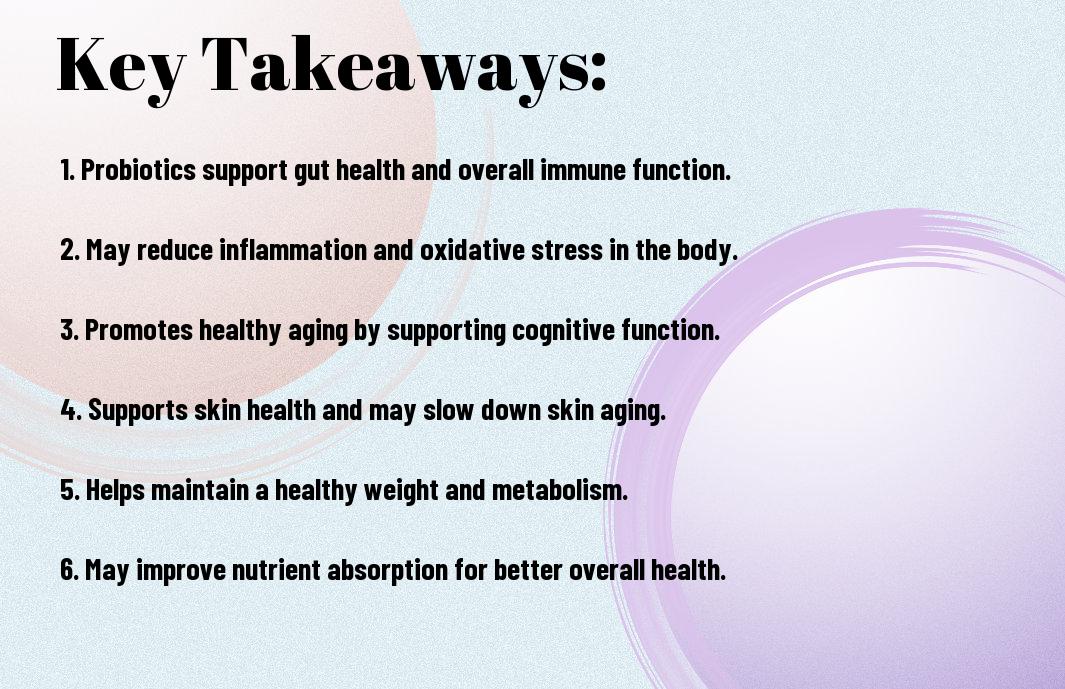
Key Takeaways:

  • Potential for Improved Gut Health: Consuming probiotics can help maintain a healthy balance of gut bacteria, which is crucial for overall health, including digestion, nutrient absorption, and immune function.
  • Possible Anti-Aging Benefits: Probiotics may have antioxidant properties and can help reduce inflammation, which are both important factors in slowing down the aging process.
  • Individual Response May Vary: The impact of consuming probiotics on aging can vary from person to person, depending on factors such as diet, lifestyle, and overall health status.

The Science of Probiotics

Definition and Mechanism of Action

Science: Probiotics are live microorganisms that, when consumed in adequate amounts, confer health benefits on the host. These beneficial bacteria are known to positively influence the gut microbiota and various physiological functions. Probiotics work by modulating the balance of harmful and beneficial bacteria in the gut, thus promoting overall health and well-being.

Types of Probiotics and Their Benefits

Science: Probiotics come in various strains, with each offering unique advantages for your health. Some common types include Lactobacillus, Bifidobacterium, and Saccharomyces boulardii. Each of these probiotic strains can help improve digestion, boost the immune system, and even enhance mental health. When choosing a probiotic supplement or food product, look for specific strains that target your health concerns for optimal benefits.

Mechanism of Action Types of Probiotics and Their Benefits
  • Modulate gut microbiota
  • Promote overall health
  • Balance harmful and beneficial bacteria
  • Enhance physiological functions
  • Confer health benefits
  • Lactobacillus
  • Bifidobacterium
  • Saccharomyces boulardii
  • Improved digestion
  • Boosted immune system
  • Enhanced mental health
  • Targeted health benefits
  • Regulate gut health
  • Support overall well-being
  • Enhance nutrient absorption

To get the most out of probiotics, it is important to choose products that contain strains known for their specific benefits. Incorporating probiotic-rich foods like yogurt, kefir, kombucha, and sauerkraut into your diet can help support a healthy gut microbiota and overall well-being. Additionally, probiotic supplements can be beneficial for addressing certain health issues or maintaining gut health.

The Aging Process

Even as you age, various biological processes occur in your body that contribute to the overall aging process. Two imperative factors in this process are cellular senescence and telomere shortening.

Cellular Senescence and Telomere Shortening

Cellular senescence refers to the state where cells stop dividing and enter a phase of growth arrest. Over time, as more cells become senescent, it can lead to impaired tissue repair and regeneration, contributing to the aging process. Telomeres, the protective caps at the end of chromosomes, shorten with each cell division. Eventually, when telomeres become critically short, cells can no longer divide, leading to cellular senescence.

Oxidative Stress and Inflammation

To maintain optimal function, your body needs a delicate balance of antioxidants and pro-inflammatory molecules. However, as you age, this balance can shift, leading to increased oxidative stress and inflammation. Oxidative stress occurs when there is an imbalance between the production of free radicals and the body’s ability to neutralize them with antioxidants. Chronic inflammation, on the other hand, can result from a prolonged immune response to harmful stimuli.

Another crucial aspect of aging is the role of oxidative stress and inflammation in the development of age-related diseases such as cardiovascular disease, diabetes, and neurodegenerative disorders. By disrupting cellular functions and promoting tissue damage, these processes can accelerate the aging process and contribute to the onset of various age-related conditions.

Probiotics and Gut Health

All Aging Skin: Can Probiotics Help? You might wonder how probiotics can impact your gut health and overall well-being. The gut is home to trillions of bacteria that play a crucial role in digestion, nutrient absorption, immune function, and even mood regulation. The Gut-Brain Axis is a complex communication network between your gut and brain, and the microbiome – the collection of microorganisms living in your gut – plays a significant role in this relationship.

The Gut-Brain Axis and Microbiome

Any disruption in the balance of gut bacteria can potentially affect your mental health, digestion, and immune system. Probiotics, known as the “good” bacteria, can help restore this balance and promote a healthy gut microbiome. By consuming probiotic-rich foods or supplements, you can support the diversity and abundance of beneficial bacteria in your gut, ultimately leading to improved overall health and well-being.

Modulation of Gut Microbiota by Probiotics

Microbiome Modulation by probiotics involves introducing specific strains of beneficial bacteria into your gut to enhance the existing microbial community’s composition. By supplementing with probiotics, you can increase the number of beneficial bacteria, such as Lactobacillus and Bifidobacterium, which can contribute to a healthier gut environment. These beneficial bacteria help in digestion, produce crucial vitamins, and support immune function, ultimately promoting better gut health and overall wellness.

Health Probiotics play a vital role in maintaining a healthy gut microbiome, which is crucial for your overall well-being. By incorporating probiotic-rich foods or supplements into your diet, you can support your gut health and potentially slow down the aging process by maintaining a balanced and diverse microbiota. Bear in mind, a healthy gut is key to a healthier, more youthful you!

Impact of Probiotics on Aging Biomarkers

Now, let’s explore how consuming probiotics can influence aging biomarkers.

Epigenetic Clock and Telomere Length

Epigenetic changes and telomere length are two critical markers of aging. Epigenetic clocks measure the biological age of cells based on changes in DNA methylation patterns, while telomeres are protective caps at the end of chromosomes that shorten with age. Studies have shown that probiotics may have a positive impact on both these biomarkers. By influencing gene expression patterns and reducing cellular stress, probiotics could potentially slow down the aging process at a molecular level.

Inflammation and Oxidative Stress Markers

To understand the impact of probiotics on aging, researchers have also examined markers of inflammation and oxidative stress. Chronic inflammation and oxidative damage are associated with various age-related diseases. Probiotics have been shown to modulate the immune response and reduce inflammation in the gut, which can have systemic effects on overall health and aging.

A recent study found that individuals who consumed probiotics for 12 weeks experienced a significant decrease in markers of inflammation such as C-reactive protein and interleukin-6. Additionally, oxidative stress levels were also reduced, indicating a potential protective effect of probiotics against cellular damage associated with aging.

By targeting these key biomarkers of aging, probiotics have the potential to promote healthy aging and improve overall well-being as you grow older. Incorporating probiotic-rich foods or supplements into your routine may offer a natural and effective way to support your body’s aging process.

Probiotics and Age-Related Diseases

Unlike traditional medicine, which often focuses on treating symptoms of diseases, probiotics offer a more holistic approach to health by targeting the root causes of age-related conditions. Research suggests that probiotics play a key role in preventing and even treating various age-related diseases, such as cancer, cardiovascular issues, and cognitive decline.

Cancer Prevention and Treatment

One area where probiotics show promise is in cancer prevention and treatment. Studies have indicated that certain probiotic strains can help modulate the immune response, reduce inflammation, and even inhibit the growth of cancer cells in the body. By incorporating probiotics into your daily routine, you may be able to support your body’s natural defenses against cancer and potentially reduce your risk of developing the disease.

Cardiovascular Health and Cognitive Function

Any discussion about aging would be incomplete without addressing the importance of cardiovascular health and cognitive function. Research has shown that the gut-brain axis plays a crucial role in maintaining cognitive function as you age. Additionally, probiotics have been linked to improvements in cholesterol levels, blood pressure, and overall heart health. By including probiotic-rich foods or supplements in your diet, you may be able to support both your heart and brain health as you grow older.

Treatment decisions should always be made in consultation with your healthcare provider, but incorporating probiotics into your daily routine may offer a natural and effective way to support your overall health and well-being as you age.

The Role of Probiotics in Skin Aging

Once again, the role of probiotics comes into play when considering their impact on skin aging. Probiotics have shown promise in improving various aspects of skin health, including collagen production and skin elasticity, as well as wound healing and skin barrier function.

Collagen Production and Skin Elasticity

With regards to collagen production and skin elasticity, probiotics can help maintain youthful-looking skin. Collagen is a protein that gives skin its firmness and elasticity. As you age, collagen production naturally decreases, leading to wrinkles and sagging skin. Probiotics have been found to help enhance collagen production in the skin, ultimately improving its elasticity and reducing the signs of aging.

Wound Healing and Skin Barrier Function

Role
With respect to wound healing and skin barrier function, probiotics play a crucial role in promoting skin health. Probiotics can help strengthen the skin’s natural barrier function, which is important for protecting against environmental aggressors and maintaining overall skin health. Additionally, probiotics have been shown to accelerate the wound healing process, making them a valuable asset in maintaining youthful and healthy skin.

Wound healing and maintaining skin barrier function are important aspects of skin health that can be influenced by probiotic consumption. By incorporating probiotics into your skincare routine or diet, you may be able to support these functions and promote healthier, more resilient skin.

Conclusion

The impact of consuming probiotics on aging is still a subject of ongoing research and scientific inquiry. While there is growing evidence to suggest that probiotics may have potential benefits for overall health and longevity, it is important to approach the consumption of these supplements with caution and understanding. Incorporating probiotics into your diet may support a healthy gut microbiome, which in turn could have positive effects on various aspects of aging.

However, it is crucial to remember that individual responses to probiotics can vary, and more research is needed to fully understand their potential impact on aging. As you consider incorporating probiotics into your daily routine, consult with a healthcare professional to determine the best approach for your specific health needs and goals. By staying informed and making informed decisions, you can empower yourself to make choices that support your overall well-being as you age.

Q: What are probiotics?

A: Probiotics are live bacteria and yeasts that are good for your health, especially your digestive system. They are often referred to as “good” or “friendly” bacteria because they help keep your gut healthy

Q: How do probiotics impact aging?

A: Consuming probiotics can have a positive impact on aging by improving gut health, boosting the immune system, reducing inflammation, and potentially helping to prevent age-related diseases.

Q: Are there any specific probiotic strains that are particularly beneficial for aging?

A: Some probiotic strains that have been shown to be beneficial for aging include Lactobacillus and Bifidobacterium species. These strains have been linked to improved gut health, better immune function, and reduced inflammation, all of which can help support healthy aging.

How do anti-inflammatory foods aid in anti-aging

Foods rich in anti-inflammatory properties can do wonders for your skin and overall health as you age. Incorporating these foods into your diet can help reduce inflammation in your body, which is a key factor in the aging process. By consuming anti-inflammatory foods regularly, you are not only promoting a youthful glow but also supporting your body in staying healthy and vibrant. Learn more about the power of these foods and how they can be your secret weapon in the fight against aging.

Key Takeaways:

  • Reduction of Inflammation: Anti-inflammatory foods help reduce chronic inflammation in the body, which is a major contributor to aging and age-related diseases.
  • Protection from Free Radicals: These foods are rich in antioxidants which help neutralize free radicals that can damage cells and lead to premature aging.
  • Promotion of Skin Health: Incorporating anti-inflammatory foods into your diet can improve skin elasticity, hydration, and overall appearance, helping to combat signs of aging.

The Science Behind Inflammation and Aging

What is Inflammation?

To understand how anti-inflammatory foods can aid in anti-aging, it’s vital to comprehend what inflammation is. Inflammation is the body’s natural response to harmful stimuli, such as pathogens, damaged cells, or irritants. When your body detects these threats, it triggers a cascade of immune responses to protect and heal itself.

The Role of Inflammation in Aging

What you may not realize is that chronic inflammation can have detrimental effects on your body over time. As you age, the immune system’s response to inflammation becomes less precise, potentially leading to prolonged inflammation. This persistent state of inflammation can contribute to various age-related diseases, such as cardiovascular issues, arthritis, and even cognitive decline.

Understanding how inflammation accelerates the aging process is crucial in adopting anti-inflammatory practices. By making conscious choices to include anti-inflammatory foods in your diet, you can help reduce chronic inflammation and potentially slow down the aging process.

The Power of Anti-Inflammatory Foods

Assuming you’re looking to incorporate more anti-inflammatory foods into your diet to support anti-aging, there are several key categories of foods that can help. Omega-3 rich foods are known for their anti-inflammatory properties and can be found in fatty fish like salmon, walnuts, and flaxseeds. These foods contain crucial fatty acids that help reduce inflammation in the body, promoting overall health and potentially slowing down the aging process.

Antioxidant-Rich Fruits and Vegetables

Fruits and vegetables high in antioxidants are crucial for combating oxidative stress, a major contributor to aging. Colorful produce like berries, spinach, and red bell peppers are packed with antioxidants such as vitamin C and beta-carotene that help protect your cells from damage caused by free radicals. By including these antioxidant-rich foods in your diet, you can promote healthy aging and support your skin, brain, and overall well-being.

Antioxidant-rich foods play a vital role in neutralizing harmful free radicals in your body, which can accelerate the aging process. By incorporating a variety of colorful fruits and vegetables into your meals, you can help combat oxidative stress and inflammation, two key factors that contribute to aging and age-related diseases.

Polyphenol-Rich Beverages

For a refreshing way to boost your intake of anti-inflammatory compounds, consider incorporating polyphenol-rich beverages into your daily routine. Green tea, red wine, and dark chocolate are all excellent sources of polyphenols, plant compounds with potent antioxidant and anti-inflammatory properties. These beverages can help protect your cells from damage, reduce inflammation, and support overall health as you age.

Polyphenol-rich beverages offer a flavorful and enjoyable way to increase your intake of anti-inflammatory compounds. Whether you prefer a soothing cup of green tea or a glass of red wine with dinner, these beverages provide an easy and delicious way to support your body’s natural defenses against aging and age-related conditions.

Anti-Inflammatory Foods and Skin Health

Unlike 10 Foods to Help Your Skin and Health as You Get Older, incorporating anti-inflammatory foods into your diet can have a significant impact on your skin health. These foods can help combat inflammation, reduce oxidative stress, and promote overall skin elasticity and youthfulness.

Hydration and Skin Elasticity

Foods rich in water content such as cucumbers, watermelon, and leafy greens can help keep your skin hydrated, improving its elasticity and reducing the appearance of fine lines and wrinkles. Adequate hydration from these foods can also help flush out toxins from your skin, promoting a clearer complexion and healthy glow.

Foods that Combat Skin Inflammation

To combat skin inflammation, incorporate anti-inflammatory foods like fatty fish, nuts, and seeds into your diet. These foods are rich in omega-3 fatty acids and antioxidants, which can help reduce redness, swelling, and irritation in your skin. Including these foods regularly can promote a more even skin tone and a smoother texture.

Health

The Importance of Gut-Skin Connection

Elasticity

It

Anti-Inflammatory Foods and Cellular Health

Once again, if you’re wondering about the benefits of incorporating anti-inflammatory foods into your diet for anti-aging, you may be interested in exploring the scientific evidence behind anti-inflammatory diets. To research deeper into this topic, check out What does the evidence say about anti-inflammatory diets?

Mitochondrial Function and Energy Production

Mitochondrial health is crucial for cellular energy production and overall cellular function. Anti-inflammatory foods, such as fatty fish rich in omega-3 fatty acids, leafy green vegetables abundant in antioxidants, and nuts packed with imperative nutrients, play a significant role in supporting optimal mitochondrial function. By reducing inflammation at the cellular level, these foods help maintain efficient energy production and promote overall cellular health.

Foods that Support Cellular Renewal

Renewal of cells is imperative for maintaining youthful and healthy skin, tissues, and organs. Incorporating anti-inflammatory foods like colorful berries full of vitamins and phytonutrients, dark chocolate rich in antioxidants, and turmeric known for its anti-inflammatory properties can help support cellular renewal processes in your body. These foods provide the necessary building blocks and protection against oxidative stress, contributing to the regeneration and repair of cells.

With a diet rich in these anti-inflammatory foods, you not only nourish your body at a cellular level but also support the natural renewal and repair mechanisms that are imperative for anti-aging. By incorporating a variety of colorful fruits, vegetables, lean proteins, and healthy fats into your meals, you provide your cells with the nutrients they need to thrive and stay youthful.

The Impact of Inflammation on Cellular Aging

AntiInflammatory foods play a crucial role in combating inflammation, which can accelerate cellular aging and contribute to various age-related diseases. Chronic inflammation can damage cells, impair their function, and lead to premature aging. By choosing a diet rich in anti-inflammatory foods, you can help reduce inflammation in your body and support healthy cellular aging.

Impact: By actively incorporating anti-inflammatory foods into your daily meals, you can promote optimal cellular health, enhance cellular renewal processes, and combat the effects of inflammation on your body. Be mindful of, the foods you choose to eat can have a significant impact on how your cells age and function over time.

Anti-Inflammatory Foods and Cognitive Function

The Gut-Brain Axis

Your gut and brain are intricately connected through what is known as the gut-brain axis. The health of your gut can significantly impact your cognitive function and overall brain health. Research has shown that a diet high in anti-inflammatory foods can promote a healthy gut microbiome, which in turn can support cognitive function and reduce the risk of neurodegenerative diseases.

Foods that Support Brain Health

On your plate, you have the power to nourish not just your body but also your brain. Incorporating anti-inflammatory foods like berries, fatty fish, nuts, seeds, leafy greens, and olive oil can provide crucial nutrients and antioxidants that support brain health. These foods are rich in omega-3 fatty acids, vitamins, and minerals that help protect brain cells from inflammation and oxidative stress.

Foods like blueberries, walnuts, and dark leafy greens are particularly beneficial for brain health due to their high levels of antioxidants and anti-inflammatory properties. Including these foods in your diet can help improve cognitive function, memory, and concentration, while also reducing the risk of age-related cognitive decline.

The Role of Inflammation in Neurodegenerative Diseases

The chronic inflammation associated with neurodegenerative diseases like Alzheimer’s and Parkinson’s can accelerate cognitive decline and impair brain function over time. By consuming a diet rich in anti-inflammatory foods, you can help combat this inflammation and potentially reduce the risk of developing these debilitating conditions.

The brain is highly susceptible to inflammation, which can lead to the accumulation of damaging substances and the breakdown of healthy brain tissue. By following an anti-inflammatory diet filled with foods that support brain health, you can protect your brain from inflammation and promote long-term cognitive function.

Incorporating Anti-Inflammatory Foods into Your Diet

Not only can anti-inflammatory foods help in slowing down the aging process, but they can also contribute to your overall health and well-being. Incorporating these foods into your diet is a practical way to reap their benefits and maintain a youthful glow.

Meal Planning and Grocery Shopping

One way to ensure you are consuming a variety of anti-inflammatory foods is to plan your meals ahead of time. When creating your grocery list, prioritize items such as leafy greens, berries, fatty fish, nuts, seeds, and whole grains. These ingredients form the foundation of an anti-inflammatory diet and can easily be incorporated into your daily meals.

Cooking and Preparation Methods

Anytime you prepare your meals, consider cooking methods that retain the nutritional value of anti-inflammatory foods. Opt for steaming, baking, or sautéing with healthy oils like olive or avocado oil. Avoid deep-frying or overcooking, as this can destroy the beneficial compounds in these foods.

With a little creativity in the kitchen, you can experiment with different herbs and spices to enhance the flavor of your dishes while reaping the anti-inflammatory benefits. Consider using turmeric, ginger, garlic, and cinnamon to not only add taste but also increase the health-boosting properties of your meals.

Snacking and Beverages

An easy way to incorporate anti-inflammatory foods into your diet is through snacking. Instead of reaching for processed snacks, opt for fresh fruits, vegetables with hummus, or a handful of nuts. These choices not only satisfy your hunger between meals but also provide important nutrients that can support your anti-aging efforts.

Understanding the importance of hydration, choose anti-inflammatory beverages like green tea, herbal teas, and infused water over sugary drinks. These options can help reduce inflammation in the body and keep you feeling rejuvenated throughout the day.

Final Words

Summing up, incorporating anti-inflammatory foods into your diet can significantly aid in anti-aging by reducing inflammation in your body. By consuming a variety of fruits, vegetables, nuts, and fatty fish that are rich in antioxidants and anti-inflammatory properties, you can help to combat the aging process and maintain a youthful appearance. Remember to prioritize these foods in your meals to not only look younger but also feel healthier and more energized from the inside out.

Q: How do anti-inflammatory foods aid in anti-aging?

A: Anti-inflammatory foods help reduce inflammation in the body, which is a major contributor to the aging process. By consuming these foods, you can lower the risk of chronic diseases associated with aging, such as heart disease, diabetes, and cognitive decline.

Q: What are some examples of anti-inflammatory foods?

A: Examples of anti-inflammatory foods include fatty fish (such as salmon and mackerel), leafy greens (such as spinach and kale), berries (such as blueberries and strawberries), nuts (such as almonds and walnuts), and olive oil. These foods are rich in antioxidants and omega-3 fatty acids, which help reduce inflammation in the body.

Q: How can I incorporate more anti-inflammatory foods into my diet?

A: You can incorporate more anti-inflammatory foods into your diet by including them in your meals and snacks. Try adding leafy greens to your salads, snacking on berries or nuts, using olive oil in cooking, and incorporating fatty fish into your meals a few times a week. You can also try incorporating anti-inflammatory spices such as turmeric, ginger, and cinnamon into your cooking.

Skip to content