How do healthy fats, like those found in olive oil, contribute to anti-aging

Over time, you may notice the effects of aging on your skin and overall health. Incorporating healthy fats, such as those in olive oil, into your diet can play a key role in combating these signs of aging. Not only do these fats provide imperative nutrients for your body, but they also have powerful anti-inflammatory properties that help protect your cells and improve skin elasticity. By understanding how these healthy fats work, you can make informed choices to support your anti-aging efforts from the inside out.

Key Takeaways:

  • Antioxidant Properties: Healthy fats in olive oil, such as monounsaturated fats, are rich in antioxidants that help combat free radicals responsible for aging and cellular damage.
  • Inflammation Reduction: The fats in olive oil have anti-inflammatory effects, which can help reduce inflammation in the body, a key driver of aging-related diseases.
  • Skin Health Benefits: Consuming olive oil can contribute to healthy skin by improving hydration and elasticity, which are important factors in maintaining youthful skin.

The Role of Fats in Aging

The Impact of Inflammation on Aging

To understand the role of fats in aging, it’s crucial to comprehend the impact of inflammation on the aging process. An imbalance in inflammatory processes in the body can accelerate the aging of cells and tissues, leading to various age-related diseases and conditions. Chronic inflammation is often linked to increased oxidative stress, which can damage cells and contribute to the progression of aging.

How Fats Affect Inflammation

Inflammation plays a significant role in the aging process, and the types of fats you consume can either promote or reduce inflammation in your body. Healthy fats, such as those found in olive oil, have been shown to possess anti-inflammatory properties. By incorporating these healthy fats into your diet, you can help combat chronic inflammation and potentially slow down the aging process.

Another way fats affect inflammation is through their impact on the production of pro-inflammatory molecules in the body. Certain fats, like saturated fats commonly found in processed foods, have been linked to an increase in inflammatory markers. By choosing healthy fats like olive oil instead, you can help modulate inflammation and support healthy aging.

The Unique Properties of Olive Oil

Any 7 Health Benefits of Olive Oil: From Heart Health to Anti-Aging study will tell you that olive oil is rich in monounsaturated fats, which are considered heart-healthy fats. These fats have been linked to various health benefits, including a reduced risk of heart disease and improved cholesterol levels. Olive oil is a key component of the Mediterranean diet, a dietary pattern known for its numerous health benefits, primarily in promoting longevity and combating age-related diseases.

The High Levels of Monounsaturated Fats

Olive oil stands out for its high concentration of monounsaturated fats, particularly oleic acid, which is believed to be responsible for many of its health benefits. These fats are crucial for maintaining healthy cell membranes, and they play a crucial role in reducing inflammation and oxidative stress in the body. By incorporating olive oil into your diet, you can help protect your cells from damage and support overall cellular health.

The Antioxidant Properties of Polyphenols

Properties of olive oil go beyond its healthy fats and extend to its rich content of polyphenols, powerful antioxidants that help protect your cells from damage caused by free radicals. These compounds have anti-inflammatory properties and can help combat oxidative stress, a key factor in aging and age-related diseases. By including olive oil in your diet, you can boost your antioxidant intake and support your body in fighting off the effects of aging.

Understanding the antioxidant properties of polyphenols found in olive oil can help you appreciate how this crucial oil can actively contribute to your anti-aging efforts. By choosing quality extra virgin olive oil and incorporating it into your daily diet, you are not only enhancing the flavor of your dishes but also providing your body with a powerful tool to combat the signs of aging from within.

How Olive Oil Contributes to Anti-Aging

Reducing Oxidative Stress

Stress can accelerate the aging process by causing oxidative damage to cells, leading to wrinkles, fine lines, and other signs of aging. Olive oil, rich in antioxidants like vitamin E and polyphenols, can help combat this oxidative stress. These antioxidants work by neutralizing free radicals in your body, protecting your cells from damage and keeping your skin looking youthful and radiant.

Improving Cellular Health

By incorporating olive oil into your diet, you are not only benefiting your skin but also improving the overall health of your cells. The monounsaturated fats in olive oil help maintain the integrity of cell membranes, allowing for better communication between cells and improved overall cellular function. This can result in better energy production, enhanced nutrient absorption, and ultimately, a healthier and more vibrant you.

Cellular health is crucial in the battle against aging, as it affects how well your body functions and repairs itself. By nourishing your cells with the healthy fats found in olive oil, you are providing them with the imperative building blocks they need to thrive and stay resilient in the face of aging.

The Benefits of Olive Oil on Skin Health

Now, let’s probe into how olive oil can benefit your skin health. One of the key advantages of using olive oil on your skin is its hydrating and moisturizing properties.

Hydrating and Moisturizing the Skin

Any skincare aficionado knows the importance of keeping your skin well-hydrated and moisturized. Olive oil is rich in antioxidants and fatty acids that help lock in moisture, making it an excellent natural moisturizer. It can penetrate deep into the skin, providing long-lasting hydration and leaving your skin feeling soft and supple.

Reducing Fine Lines and Wrinkles

Fine lines and wrinkles are a natural part of aging, but that doesn’t mean you can’t take steps to help reduce their appearance. Olive oil is packed with antioxidants, such as vitamin E and polyphenols, which help protect the skin from premature aging caused by free radicals.

Fine lines and wrinkles may appear due to the breakdown of collagen and elastin fibers in the skin, leading to reduced elasticity. By incorporating olive oil into your skincare routine, you can help nourish and support your skin’s natural barrier, potentially reducing the visibility of fine lines and wrinkles.

The consumption of olive oil in your diet can also contribute to healthier skin. The monounsaturated fats in olive oil help maintain the skin’s natural moisture balance and can improve skin texture over time.

The Connection Between Olive Oil and Brain Health

All over the world, olive oil is celebrated for its numerous health benefits, particularly its positive impact on brain health. The consumption of olive oil has been linked to various cognitive benefits, including improved memory and focus.

Supporting Cognitive Function

Function at your best by incorporating olive oil into your daily diet. The monounsaturated fats found in olive oil help support cognitive function by promoting healthy blood flow to the brain, providing necessary nutrients for optimal brain health.

Reducing the Risk of Neurodegenerative Diseases

Function to protect your brain from age-related decline by regularly consuming olive oil. Studies have shown that the antioxidants and anti-inflammatory properties in olive oil can help reduce the risk of neurodegenerative diseases such as Alzheimer’s and Parkinson’s.

With its ability to combat inflammation and oxidative stress in the brain, olive oil can play a crucial role in maintaining healthy brain function as you age. Including olive oil in your diet may help protect against cognitive decline and support overall brain health.

Incorporating Olive Oil into Your Diet

Cooking with Olive Oil

One of the simplest ways to incorporate olive oil into your diet is by using it for cooking. Olive oil is a great choice for sautéing, roasting, and even frying due to its high smoke point. When you cook with olive oil, you’re not only adding flavor to your dishes, but you’re also reaping the benefits of its anti-aging properties. Try using olive oil to stir-fry vegetables, roast potatoes, or even drizzle it over grilled meats for a healthy and delicious meal.

Using Olive Oil as a Finishing Touch

With its rich flavor and versatile nature, olive oil can also be used as a finishing touch to elevate your dishes. Drizzle a bit of high-quality olive oil over a salad, soup, or pasta just before serving to enhance the flavors and textures of your meal. The hint of fruity, peppery notes that olive oil adds can take your dish from good to gourmet in seconds.

Your meals don’t have to be complicated to benefit from the anti-aging properties of olive oil. Simply drizzling a bit of olive oil over a bowl of fresh tomatoes or a piece of crusty bread can introduce the health benefits of this healthy fat into your diet effortlessly.

Conclusion

On the whole, incorporating healthy fats like those found in olive oil into your diet can significantly contribute to anti-aging. Not only do these fats provide crucial nutrients and antioxidants that help protect your cells from damage and inflammation, but they also support overall skin health and can help reduce the appearance of aging. By choosing olive oil as your primary source of fat, you are nourishing your body from the inside out, promoting longevity and vitality.

For more in-depth information on the effects of exclusive olive oil consumption on anti-aging, you can read the study titled The Effect of Exclusive Olive Oil Consumption on Anti-Aging: A 3-Month Randomized Controlled Clinical Trial. Embrace the benefits of healthy fats like olive oil in your daily meals, and you’ll not only feel better on the inside but also radiate a youthful glow on the outside.

Q: How do healthy fats, like those found in olive oil, contribute to anti-aging?

A: Healthy fats found in olive oil, such as monounsaturated fats, help reduce inflammation in the body, which is linked to aging and age-related diseases.

Q: What role do antioxidants in olive oil play in anti-aging?

A: Olive oil contains powerful antioxidants, such as vitamin E and polyphenols, that help protect the skin from oxidative stress and UV damage, which can lead to premature aging.

Q: Can consuming olive oil help improve skin health and reduce signs of aging?

A: Yes, the healthy fats in olive oil help maintain skin elasticity and hydration, while its antioxidant properties can help reduce wrinkles, fine lines, and other signs of aging on the skin.

How can incorporating spices, such as cinnamon and ginger, help with anti-aging

Spices like cinnamon and ginger can work wonders for your anti-aging efforts. By including these powerful ingredients in your diet, you can benefit from their antioxidant properties that help fight free radicals, reduce inflammation, and improve skin elasticity. To learn more about the benefits of incorporating super spices into your diet, check out the Top 10 Super Spices that Protect Your Body.

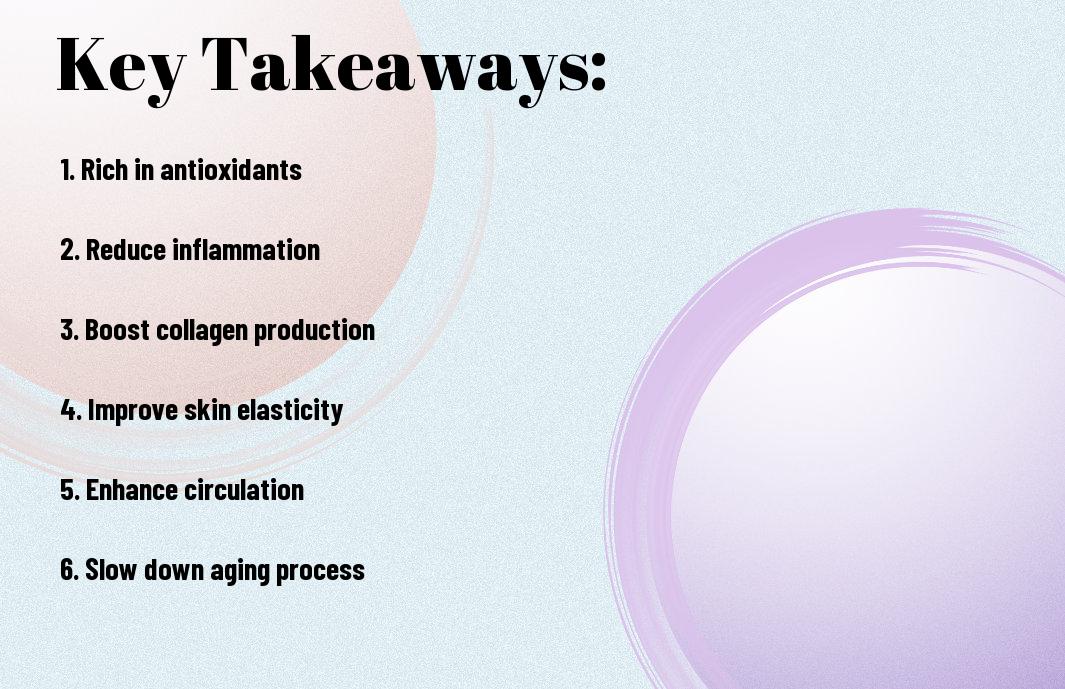
Key Takeaways:

  • Powerful antioxidant properties: Cinnamon and ginger contain antioxidants that help fight against free radicals, reducing oxidative stress and preventing premature aging.
  • Anti-inflammatory effects: These spices have anti-inflammatory properties that can help reduce inflammation in the body, which is linked to various signs of aging.
  • Promote skin health: Cinnamon and ginger can improve circulation, promote collagen production, and fight against skin infections, helping to maintain youthful and radiant skin.

The Science Behind Anti-Aging

Oxidative Stress and Free Radicals

Oxidative stress is a natural process in your body that occurs when there is an imbalance between free radicals and antioxidants. Free radicals are unstable molecules that can cause damage to your cells and contribute to aging. Antioxidants, on the other hand, help neutralize these free radicals, reducing the damage they can cause. Incorporating spices like cinnamon and ginger, which are rich in antioxidants, can help combat oxidative stress and minimize the effects of aging on your skin.

Inflammation and Cellular Damage

Damage from chronic inflammation and cellular injury can accelerate the aging process by causing wrinkles, fine lines, and sagging skin. Spices like cinnamon and ginger have anti-inflammatory properties that can help reduce inflammation and prevent cellular damage. By including these spices in your diet, you can protect your skin from the effects of inflammation and maintain a more youthful appearance.

With their powerful antioxidants and anti-inflammatory properties, cinnamon and ginger can slow down the aging process and promote overall skin health. By incorporating these spices into your daily routine, you can enhance your anti-aging efforts and enjoy a more youthful complexion.

The Power of Spices in Anti-Aging

Some natural ingredients have the power to help you combat the signs of aging, and spices like cinnamon and ginger are two potent allies in this fight. These spices not only add flavor to your dishes but also offer a range of health benefits that can help promote a more youthful appearance.

Cinnamon: A Natural Antioxidant

On your quest for youthful skin, incorporating cinnamon into your diet can work wonders. This spice is packed with antioxidants that help fight free radicals, which can cause premature aging of the skin. By including cinnamon in your meals or drinks, you can protect your skin from damage and reduce the appearance of fine lines and wrinkles.

Ginger: A Potent Anti-Inflammatory

Spices like ginger can be your go-to ingredient for addressing inflammation in the body, which is often a key contributor to the aging process. Ginger contains powerful anti-inflammatory properties that can help reduce swelling and redness in the skin, giving you a more youthful and radiant complexion.

For instance, ginger can be used topically as well by mixing it with honey or aloe vera to create a soothing face mask that calms irritated skin and promotes a more even skin tone.

How Cinnamon Helps with Anti-Aging

Improving Insulin Sensitivity

Helps in incorporating cinnamon into your diet can be beneficial for anti-aging by improving insulin sensitivity. Cinnamon contains compounds that help lower blood sugar levels by increasing insulin sensitivity in your body. By reducing insulin resistance, cinnamon can help regulate blood sugar levels and prevent spikes that can lead to premature aging.

Reducing Oxidative Stress

On your anti-aging journey, cinnamon can also assist in reducing oxidative stress. Cinnamon is loaded with antioxidants that help combat free radicals in your body. Free radicals can damage cells and contribute to the aging process. By incorporating cinnamon into your daily routine, you can help neutralize these harmful molecules and protect your cells from oxidative damage.

Another way cinnamon helps with anti-aging is by reducing inflammation in the body. Chronic inflammation is linked to various age-related diseases and can accelerate the aging process. The anti-inflammatory properties of cinnamon can help lower inflammation levels and promote overall health and longevity.

Enhancing Skin Health

An necessary aspect of anti-aging is maintaining skin health, and cinnamon can play a significant role in enhancing your skin. Cinnamon has antimicrobial properties that can help fight off acne-causing bacteria and other skin infections. By incorporating cinnamon into your skincare routine, you can promote clear and healthy skin that contributes to a more youthful appearance.

The Anti-Aging Benefits of Ginger

Reducing Inflammation

For your anti-aging efforts, incorporating ginger into your diet can be highly beneficial. Ginger contains potent anti-inflammatory properties that can help reduce inflammation in the body. Chronic inflammation is one of the key factors that contribute to premature aging, as it can lead to various age-related diseases and skin concerns.

Improving Digestion and Gut Health

Improving your digestion and maintaining a healthy gut is crucial for anti-aging, as it ensures your body can properly absorb nutrients and eliminate toxins. Ginger is known for its ability to aid digestion by stimulating the production of digestive enzymes and reducing intestinal inflammation. By including ginger in your meals or as a tea, you can support your gut health and promote overall longevity.

Another reason why ginger is beneficial for anti-aging is its ability to alleviate gastrointestinal distress, such as bloating and indigestion. By soothing the digestive system, ginger can help prevent discomfort and improve your overall well-being.

Supporting Immune Function

Any anti-aging regimen should focus on boosting your immune system, and ginger can play a significant role in supporting immune function. Ginger is rich in antioxidants and has antimicrobial properties that can help strengthen your body’s defenses against infections and diseases. By incorporating ginger into your daily routine, you can enhance your immune response and reduce the risk of age-related illnesses.

Benefits of ginger extend beyond its anti-inflammatory and digestive properties – it also aids in supporting your immune system, which is crucial for maintaining overall health and vitality as you age.

Combining Cinnamon and Ginger for Enhanced Anti-Aging Effects

Synergistic Benefits

Ginger and cinnamon are both potent spices with anti-inflammatory and antioxidant properties that can help combat the signs of aging. When combined, these two spices work synergistically to enhance their individual benefits, providing a powerful anti-aging effect. Ginger contains gingerol, a bioactive compound that helps protect your skin from oxidative stress and inflammation. Cinnamon, on the other hand, is rich in antioxidants that help fight free radicals and promote collagen production, which can improve skin elasticity and firmness.

Recipes and Preparation Methods

On top of shaking cinnamon and ginger into your morning smoothie or oatmeal, consider incorporating these spices into a DIY face mask. Mix a teaspoon of cinnamon and ginger with honey and yogurt to create a luxurious anti-aging mask. Apply to your skin, leave on for 15-20 minutes, then rinse off for a refreshed and rejuvenated complexion. This simple yet effective recipe can help reduce inflammation, boost circulation, and promote overall skin health.

Enhanced anti-aging effects can also be achieved by using cinnamon and ginger in warm beverages like tea or golden milk. You can easily create a soothing anti-aging drink by steeping cinnamon and ginger in hot water, adding a splash of coconut milk and a touch of honey for sweetness. This delicious concoction not only tastes great but also provides a nourishing treat for your skin from the inside out.

Additional Spices with Anti-Aging Properties

Unlike 9 Spices to Spice Up Your Life and Your Health, incorporating a variety of spices into your diet can have a powerful impact on anti-aging. Apart from cinnamon and ginger, there are other spices that offer unique benefits in terms of promoting overall health and combating the effects of aging.

Turmeric: A Golden Anti-Inflammatory

To further enhance your anti-aging regimen, consider adding turmeric to your spice rack. Turmeric contains curcumin, a compound known for its potent anti-inflammatory properties. By reducing inflammation in your body, turmeric can help combat signs of aging such as joint pain and skin issues. Including turmeric in your diet can also support brain health and improve overall cognitive function, promoting longevity and vitality as you age.

Cloves: A Natural Antioxidant and Anti-Inflammatory

An imperative spice in many cuisines, cloves offer a dual benefit of being both a powerful antioxidant and anti-inflammatory agent. By incorporating cloves into your meals, you can help your body fight oxidative stress and reduce inflammation, two key factors in the aging process. Cloves also have antimicrobial properties, aiding in digestion and supporting overall gut health, which is crucial for your body’s ability to absorb nutrients effectively.

The next time you prepare a meal or brew a cup of tea, consider adding a sprinkle of cloves to boost not only the flavor but also the anti-aging benefits of your dish.

Conclusion

From above, incorporating spices like cinnamon and ginger into your diet can be a simple and effective way to help with anti-aging. These spices are packed with antioxidants and anti-inflammatory properties that can help protect your skin from damage caused by free radicals and promote collagen production, leading to a more youthful appearance. By adding them to your meals or beverages, you can not only enhance the flavor but also reap the numerous health benefits they offer for your skin and overall well-being.

Keep in mind, anti-aging processes can be supported by various lifestyle choices, including a balanced diet rich in antioxidants and other beneficial nutrients. By including spices like cinnamon and ginger in your daily routine, you are taking proactive steps to combat premature aging and maintain a healthy, radiant complexion. So why not start incorporating these flavorful and beneficial spices into your meals today and enjoy the results in the long run?

FAQ

Q: How can incorporating cinnamon and ginger help with anti-aging?

A: Cinnamon and ginger are packed with antioxidants that help protect the skin from free radical damage, which is a major contributor to aging. These spices also have anti-inflammatory properties that can reduce redness, puffiness, and inflammation in the skin, leading to a more youthful appearance.

Q: In what ways can cinnamon and ginger be incorporated into a daily routine for anti-aging benefits?

A: Cinnamon and ginger can be added to various dishes, such as oatmeal, smoothies, curries, and teas. Additionally, you can create a DIY face mask using these spices to reap their anti-aging benefits topically. It’s important to consume them in moderation as high doses may cause adverse effects.

Q: Are there any other benefits to incorporating spices like cinnamon and ginger besides anti-aging properties?

A: Yes, cinnamon and ginger have a range of health benefits beyond anti-aging. Cinnamon can help regulate blood sugar levels and ginger is known for its anti-nausea and digestion-aiding properties. Both spices also have antimicrobial properties that can help boost the immune system.

Caprese Salad

Nothing screams summer more than Caprese salad made with juicy, ripe tomatoes, creamy mozzarella cheese, and sweet and spicy basil!

The post Caprese Salad appeared first on Budget Bytes.

Oh, Caprese Salad… let me count the ways! Nothing screams summer to me more than perfectly ripe, juicy, colorful tomatoes, and this fresh and flavorful Caprese salad is loaded with them! Creamy mozzarella cheese and sweet and spicy basil round out this easy salad, and I drizzled it with some balsamic glaze to bring it all together. It’s truly summer on a plate!

(image)

This Caprese Salad is the perfect way to honor the summer season because of its simplicity. No one wants to turn an oven on in this heat! This recipe is super easy to prepare, surprisingly elegant, bright, and fresh. It’s a crowd-pleaser! I like to tear the mozzarella because I like how the olive oil and balsamic glaze cling to more of the surface area better.

What is Caprese Salad?

Caprese salad is a classic Italian salad made from fresh mozzarella cheese, fresh tomatoes, and, of course, fresh basil to represent the colors of the Italian flag. It’s not your typical salad in that it doesn’t have any lettuce, but allow me to widen your horizons on what a salad can be. Dressed in our favorite easy homemade balsamic glaze, this simple salad is ridiculously fresh and flavorful.

Ingredients

Here’s what you’ll need to make a Caprese salad:

  • Fresh Mozzarella Cheese: You’re looking for a ball of fresh, soft mozzarella cheese, not a block of low moisture!
  • Fresh Basil Leaves: Keep them whole for a punch of fresh and herbal flavor.
  • Fresh Tomatoes: You can use any variety of tomatoes for this recipe, but I love how flavorful and colorful cherry tomatoes are. If you want to go as budget-friendly as possible, Roma tomatoes always seem to be the best price!
  • Olive Oil: Use high-quality, extra-virgin olive oil for the best flavor.
  • Balsamic Vinegar: Adds a sweet and tart flavor to the salad.
  • Brown Sugar: Helps turn the vinegar into a thick, sweet glaze.
  • Salt and Pepper: Enhance the natural flavors of the cheese and tomatoes.

What Else Can I Add?

This Caprese salad is so delicious with a bit of kale pesto drizzled over top or some walnuts for crunch. In the heat of deep summer, I like to add some thinly sliced peaches, too, for a little extra sweetness!

(image)
(image)

Print

Caprese Salad

Nothing screams summer more than Caprese salad made with juicy, ripe tomatoes, creamy mozzarella cheese, and sweet and spicy basil!
Course Salad
Cuisine Italian
Total Cost ($13.93 recipe / $2.32 serving)
Prep Time 10 minutes
Cook Time 10 minutes

Granola Bars

Homemade Granola Bars are wholesome and healthy! Loaded with oats, dates, peanut butter, walnuts, and chocolate chips.

The post Granola Bars appeared first on Budget Bytes.

When I’m looking for a snack, I want it to be wholesome. These Homemade Granola Bars are delicious and free of all the junk and preservatives you can’t pronounce on most boxes of affordable store-bought granola bars. Instead, I loaded mine with quick rolled oats, Medjool dates, peanut butter, walnuts, and chocolate chips. They still taste amazing and are much healthier with whole food ingredients.

(image)

I’m not ashamed to say that I’m a bit crunchy… the kind of “crunchy” who left the city for the county, lives on a farm, grows their own vegetables, and makes their own Granola Bars. Guilty as charged! I love a hearty, chewy granola bar with a variety of textures, and this recipe is all of that and more! Marsha and I break these out of the freezer at the Budget Bytes studio on a regular basis; they make one heck of a snack.

Bonus: Because there’s no heat involved, these homemade granola bars are also fun to make with kids! They can mold the dough into fun shapes and help you in the kitchen!

Are Granola Bars Healthy?

That depends on a lot of factors. In general, granola bars are a good source of fiber (and sometimes protein, too!). However, many times, they also contain as much sugar and calories as candy bars. As a general rule, if I check the ingredient label on something and I can’t recognize or pronounce the majority of the ingredients, I usually put it back.

My homemade bars are made with Medjool dates and honey as the primary sweeteners, which are both lower on the glycemic index, making these bars more nutrient-dense and healthier than ones made with straight up sugar or corn syrup. The peanut butter and walnuts add a good bit of protein, and the oats up the fiber content. Overall, these homemade granola bars are much healthier than store-bought, but taste even better!

Ingredients

Here’s what you’ll need to make granola bars:

  • Medjool Dates: Sweeten the bars and help bind them together.
  • Chunky Peanut Butter: Adds creaminess and crunch, and also helps bind everything together.
  • Walnuts: Add extra crunch and protein.
  • Cinnamon: Adds a touch of warmth to the bars that enhances their overall flavor.
  • Sea Salt: Enhances the flavors of these bars.
  • Quick Rolled Oats: These are cut into smaller pieces than traditional rolled oats, making for a more cohesive bar.
  • Honey: Adds a little extra sweetness and helps the bars harden.
  • Chocolate Chips: Add a pop of rich chocolate flavor!

Is it cheaper to make your own granola bars?

Sometimes! I like to buy peanut butter and oats in bulk whenever they’re on sale since they keep well for a long time unopened. This really helps me cut down on costs. Some value-sized packs of store-bought granola bars are cheaper than my homemade recipe, but I can guarantee the ingredients aren’t nearly as wholesome. At just $0.72 per bar, these healthy homemade granola bars are good for your wallet and better for your body!

What Else Can I Add?

These bars are a great base for all kinds of mix-ins. Try:

  • White chocolate chips
  • Dried or freeze-dried fruits
  • Nuts or seeds
  • Mini marshmallows
  • Crushed pretzels

Do you have a peanut allergy? Try swapping peanut butter and peanuts for almond butter. If you’re allergic to all tree nuts, try tahini and pumpkin seeds instead!

(image)
(image)

Print

Granola Bars

Homemade Granola Bars are wholesome and healthy! Loaded with oats, dates, peanut butter, walnuts, and chocolate chips.
Course Breakfast, Snack
Cuisine American
Total

Homemade Hamburgers

Juicy homemade hamburgers are always a crowd pleaser. A simple recipe with a flavorful seasoning mix makes the best burgers every time!

The post Homemade Hamburgers appeared first on Budget Bytes.

We have now entered grilling season and whether you’re firing up the outdoor grill or using an indoor grill like we did, there is one food that’s always a crowd pleaser and that’s grilled homemade hamburgers! Juicy burgers made with a simple seasoning mix, topped with cheese and crisp veggies are always my go-to at BBQs and cookouts! We recently got a new indoor grill at the Budget Bytes test kitchen and this simple and easy hamburger recipe was the first thing on our menu. So gather your friends and break out the ice cold drinks and let’s grill some burgers!

(image)

What You Need for Homemade Burgers

A great hamburger recipe only needs a few simple ingredients. Here’s what you’ll need:

  • Ground Beef – You’ll want to choose beef that has a decent amount of fat in it to keep the burgers juicy. I like to use an 80/20 ground beef chuck which is 80% meat and 20% fat. Avoid using super lean ground beef.
  • Seasoning – We used our Homemade Burger Seasoning to season these burgers. Our simple burger seasoning mix includes paprika (smoked and sweet), onion powder, garlic powder, freshly cracked pepper, salt, and just a tiny pinch of cayenne. You can also try our Homemade Cajun Seasoning or a seasoning salt blend, like Lawry’s.
  • Buns – Of course you’ll need a good burger bun to go with these juicy burgers. Potato buns, brioche buns, sesame buns, or classic white buns are all great choices.
  • Comeback Sauce – Adding a sauce is totally optional, but I couldn’t resist adding a thin layer of our popular comeback sauce!

Topping Suggestions

You can always choose your favorite toppings and customize your hamburgers however you like. I love cheeseburgers so I added a slice of cheddar cheese, but of course American cheese is a classic! I also added lettuce, tomato, thinly sliced red onion and pickles. Here are some more great options:

Tips For Making The Best Hamburgers!

  1. When making hamburgers you want to avoid overworking the meat, which can make your burger dense and tough. So gently shape your burgers then season them with your favorite burger seasoning.
  2. Make sure to season your burgers right before you’re ready to cook them. Salt changes the proteins in ground beef very quickly and can make the hamburgers tough, dry, and rubbery. So wait until right before you’re ready to put the burgers on the grill before adding your seasoning mix.
  3. To ensure your burgers are cooked evenly, use a meat thermometer to check for doneness. The internal temperature of a cooked burger should be 160°F.

What To Serve With Homemade Hamburgers

Enjoy these burgers with your favorite potato chips or our Air Fryer French Fries. They also taste great with Oven Baked Steak Fries or a simple Pasta Salad on the side!

(image)
(image)

Print

Homemade Hamburgers

Juicy homemade hamburgers are always a crowd pleaser. A simple recipe with a flavorful seasoning mix makes the best burgers every time!
Course Dinner, Lunch
Cuisine American
Total Cost $14.32 recipe / $3.58 serving
Prep Time 10 minutes
Cook Time 18 minutes
Total Time 28 minutes
Servings 4 burgers
Calories 539kcal

Skip to content